A New Biomechanical Approach Advances the Analysis of Atlas-Axis Subluxations
Originally published: 2025-09-30
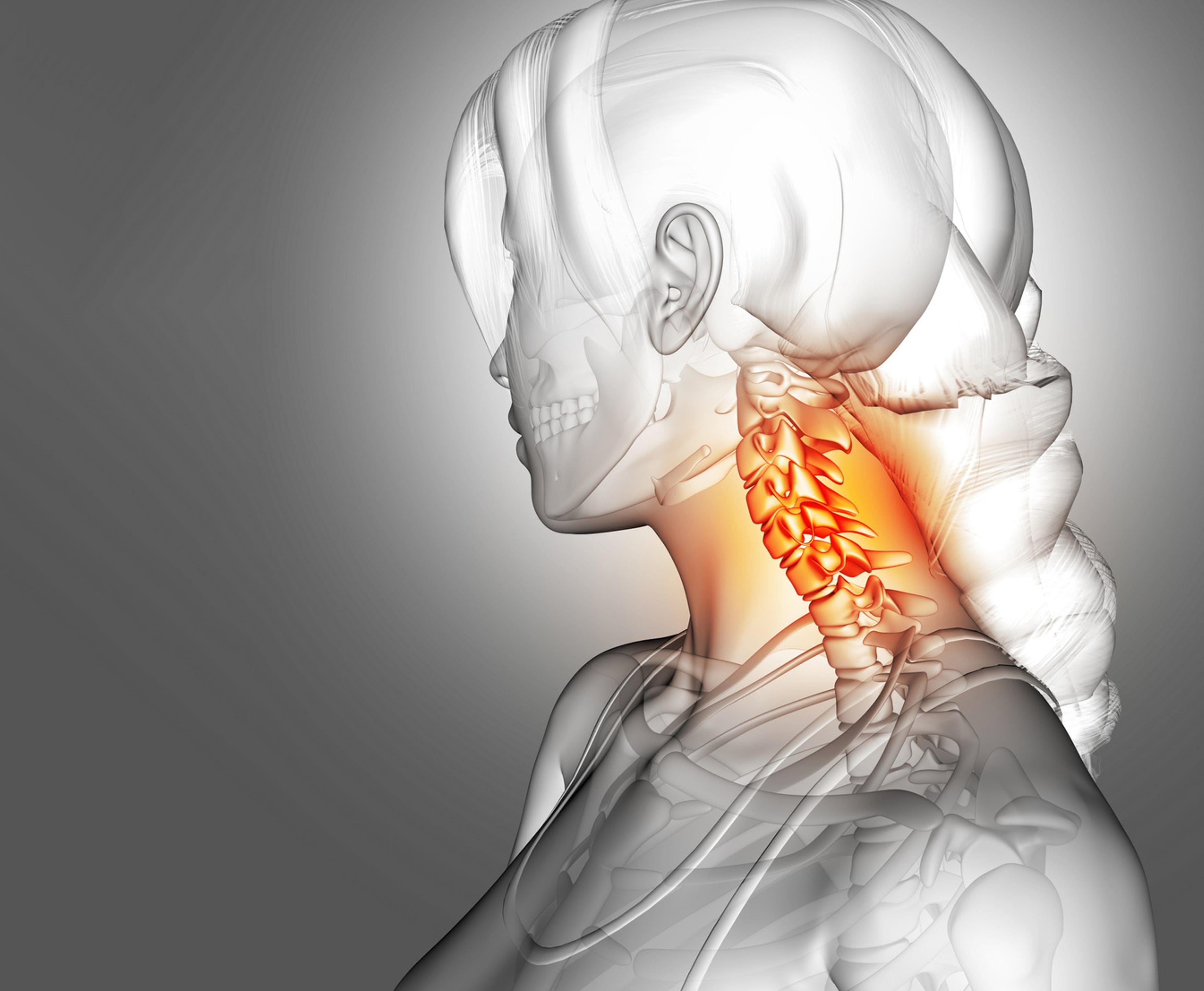
September 15, 2025—In the latest issue of the Journal of Upper Cervical Chiropractic Research (Volume 2025, Pages 22-31), a study introduces a significant advancement in the analysis of vertebral subluxations. The research team has developed the Knee Chest Specific Chiropractic (KCSC) Peritrope X-ray, a radiographic technique designed to more precisely determine atlas and axis subluxation listings.
Click Here for a copy of the research
Traditionally, chiropractors have relied on static X-rays to assess spinal alignment, a method that can be limited by structural variations and examiner interpretation. The Peritrope X-ray takes a different approach by applying the principles of biomechanics. By imaging the cervical spine in maximal rotation, chiropractors can now observe real-time joint motion between the occipital condyles and atlas lateral masses, as well as between the axis and C3 facets. This allows for the identification of the exact vertebra locked out of its normal range of motion—the hallmark of vertebral subluxation.
The study details two key patient positions: facing the bucky for anterior-superior (AS) atlas listings and facing the X-ray tube for posterior-inferior (PI) listings. By analyzing these views, clinicians can ascribe a specific subluxation listing to the vertebra showing abnormal biomechanics, leading to more targeted and effective care.
The findings mark an important milestone for the chiropractic profession. Not only does the Peritrope X-ray enhance diagnostic precision, but it has also revealed a previously undocumented biomechanical finding at the craniocervical joint. This discovery underscores the ongoing evolution of chiropractic science and the commitment to improving patient outcomes through innovation.
As chiropractors continue to refine their methods for locating and correcting vertebral subluxations, the Peritrope X-ray offers a promising tool for advancing both clinical practice and patient care.
