A New Dawn for Vaccine Policy: RFK Jr.’s Bold ACIP Overhaul
Originally published: 2025-06-14
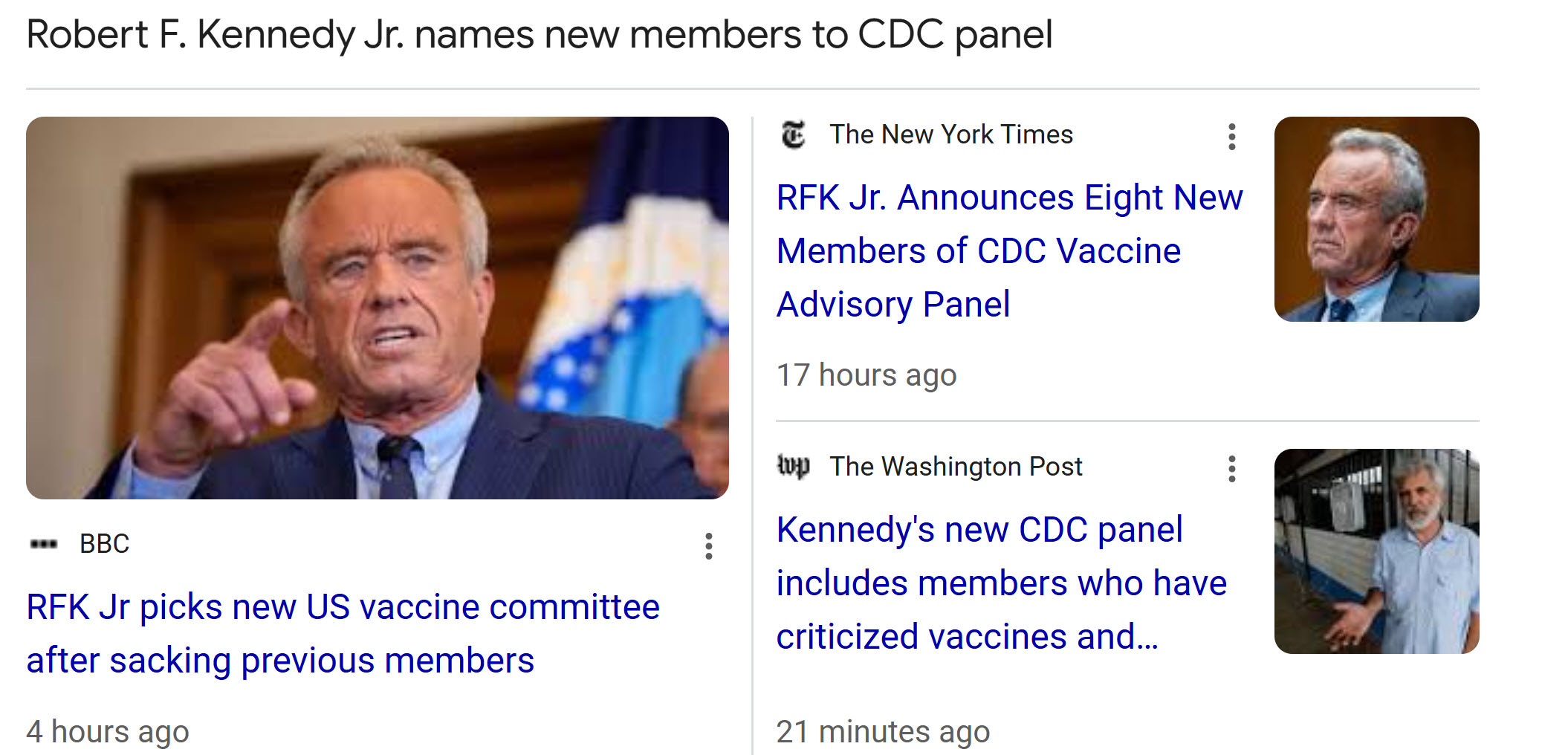
On June 11, 2025, Health and Human Services (HHS) Secretary Robert F. Kennedy Jr. unveiled a transformative restructuring of the CDC’s Advisory Committee on Immunization Practices (ACIP), appointing eight new members after dismissing the previous 17. This historic move, announced just days after Kennedy took office, signals a seismic shift in U.S. vaccine policy, challenging decades of entrenched practices and prioritizing evidence-based medicine, transparency, and patient autonomy. Heralded by advocates as a long-overdue reckoning for the vaccine industry, this overhaul positions the ACIP to rebuild public trust in a system many feel has sidelined critical voices and patient rights.
“This is a huge win for the medical freedom movement and for every American who values transparency in public health.”
— David Mansdoerfer, former HHS official, on X
A Bold Break from the Past
Kennedy’s decision to replace the entire ACIP panel was driven by his conviction that the prior committee, appointed largely under the Biden administration, was compromised by conflicts of interest and functioned as a rubber stamp for vaccine approvals. In a Wall Street Journal op-ed, he argued that a “clean sweep” was essential to restore credibility to vaccine science, a sentiment echoed by millions who have questioned the influence of pharmaceutical giants on public health policy.
The new ACIP, reduced from 17 to eight members, is set to convene at the CDC’s Atlanta headquarters on June 25–27, 2025, to tackle critical vaccine policy issues, including recommendations for COVID-19 and HPV vaccines. By streamlining the committee and appointing independent thinkers, Kennedy aims to ensure that vaccine policies reflect rigorous science and prioritize the health and rights of patients over industry interests.
Meet the New ACIP: A Team of Independent Voices
The newly appointed members bring diverse expertise and a commitment to questioning the status quo, a stark contrast to the previous panel’s perceived alignment with vaccine industry priorities. Kennedy described them as “highly credentialed scientists, leading public-health experts, and some of America’s most accomplished physicians” dedicated to “gold-standard science and common sense.”
Joseph R. Hibbeln, MD: A psychiatrist and nutritional scientist, bringing insights on the intersection of nutrition and health.
Martin Kulldorff, MD, PhD: An epidemiologist and co-author of the Great Barrington Declaration, known for advocating data-driven public health strategies.
Retsef Levi, PhD: An MIT professor with a focus on operational and policy analysis, offering a fresh perspective on public health decision-making.
Robert W. Malone, MD: A pioneer in mRNA technology, now a vocal advocate for rigorous vaccine safety scrutiny.
Cody Meissner, MD: A pediatrician with prior ACIP experience, committed to evidence-based pediatric care.
James Pagano, MD: An emergency medicine physician with hands-on clinical expertise.
Vicky Pebsworth, OP, PhD, RN: A nurse and research director, emphasizing patient-centered care and informed consent.
Michael A. Ross, MD: An obstetrician-gynecologist with a track record of public health advocacy.
“These appointees will demand definitive safety and efficacy data, ensuring vaccines serve patients, not profits.”
— Robert F. Kennedy Jr., on X
This diverse group is poised to challenge long-standing assumptions, demanding robust data on vaccine safety and efficacy while amplifying the voices of patients and clinicians often ignored in policy debates.
A Reckoning for the Vaccine Industry
For too long, critics argue, the vaccine industry has operated with undue influence over public health institutions, prioritizing profits over patient well-being. The previous ACIP’s composition, with members accused of ties to pharmaceutical interests, fueled public skepticism, particularly as childhood vaccination rates declined and trust in CDC guidance waned. Kennedy’s overhaul directly confronts these issues, signaling that the era of unchecked industry dominance is over.
By appointing experts who have publicly questioned vaccine mandates, safety protocols, and pandemic policies, Kennedy is empowering a committee that reflects the concerns of millions of Americans. This move aligns with the growing medical freedom movement, which demands transparency, informed consent, and accountability in vaccine policy. Advocates see it as a victory for patients’ rights to make informed health choices without coercion or obfuscation.
Restoring Public Trust Through Transparency
Public trust in vaccines has eroded in recent years, with declining vaccination rates contributing to outbreaks of preventable diseases like measles. Kennedy’s supporters argue that this crisis stems not from public ignorance but from a lack of honest dialogue about vaccine safety and efficacy. The new ACIP is tasked with addressing these concerns head-on, conducting rigorous reviews of vaccine data and ensuring recommendations are grounded in science, not industry pressure.
The committee’s smaller size and streamlined focus will enable more agile, transparent decision-making, free from the bureaucratic inertia that critics say plagued its predecessor. By prioritizing open debate and patient-centered policies, the ACIP can rebuild confidence among clinicians and the public, ensuring that vaccine recommendations reflect the needs of communities rather than corporate agendas.
“The new ACIP will bring fresh perspectives and challenge the industry influence that’s eroded trust for too long.”
Looking Ahead: A Patient-Centered Future
As the new ACIP prepares for its first meeting, the stakes are high. Its recommendations will shape vaccine access, insurance coverage, and public health strategies, with far-reaching implications for American families. By centering patient rights and scientific integrity, the committee has the opportunity to set a new standard for public health policy—one that respects individual choice, demands accountability, and restores faith in institutions.
Kennedy’s bold vision for the ACIP is a clarion call for reform, challenging the vaccine industry to prove its claims and empowering patients to take control of their health. As this new chapter unfolds, the nation watches, hopeful that this reckoning will usher in an era of transparency, trust, and true public health progress.
