AAP’s Vaccine Stance and Weldon’s Fall Reflect RFK Jr.’s Uphill Fight for Reform
Originally published: 2025-03-14
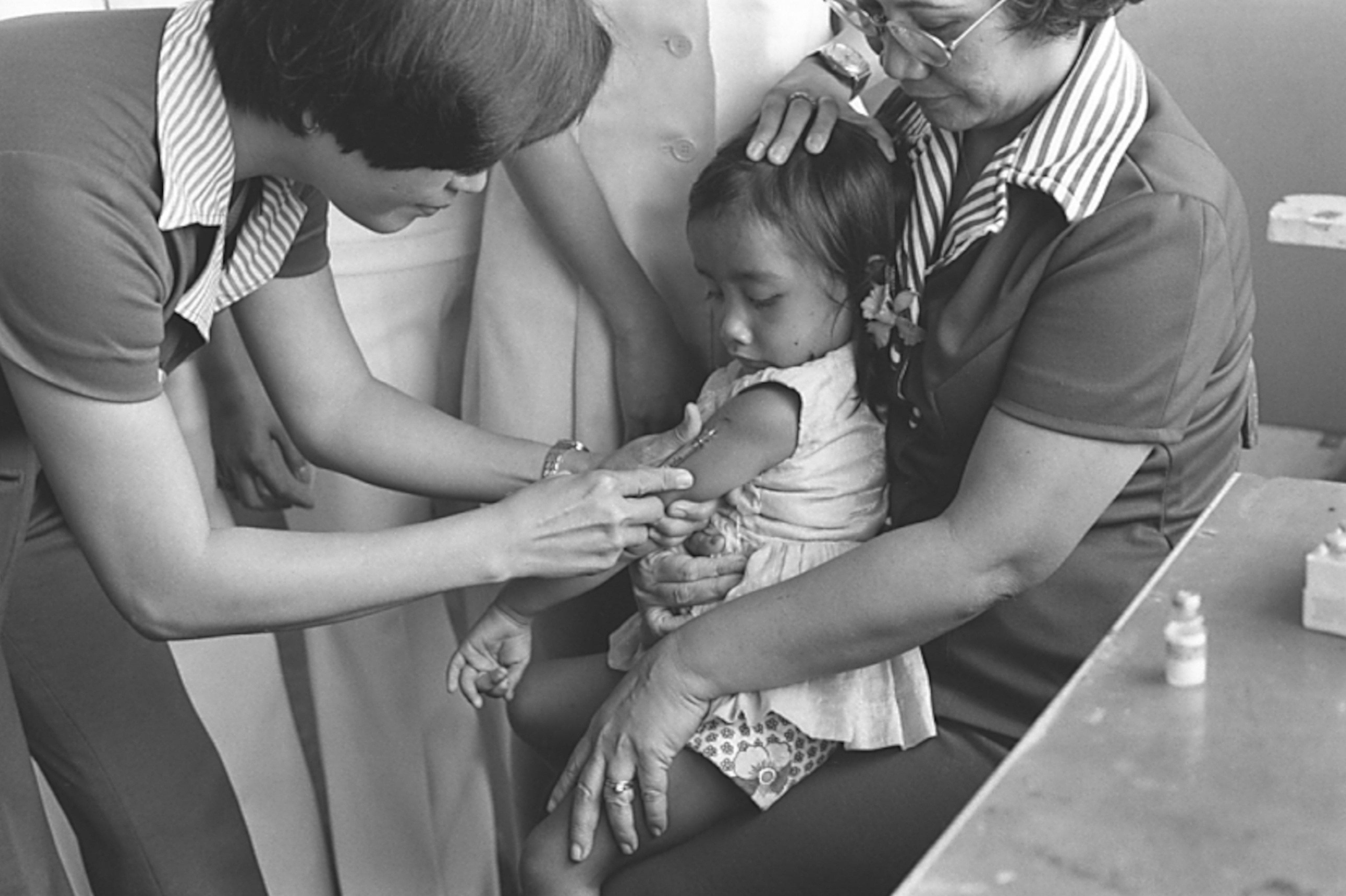
At a time when personal choice and bodily autonomy are increasingly championed, two recent events—the American Academy of Pediatrics (AAP) president’s stance on measles and the abrupt withdrawal of David Weldon’s CDC nomination—shine a spotlight on the tension between individual rights and institutional dogma. For anyone who values informed consent and personal autonomy, these moments are not isolated controversies but as threads in a larger tapestry of resistance against questioning the medical-pharmaceutical industrial complex. For supporters of Robert F. Kennedy Jr., who has long pushed to reform this system, these incidents underscore a grim reality: his mission may dwarf even the challenge of dismantling the military-industrial complex. And there’s growing concern among his base that he’s being sidelined from the very issues crying out for change.
Let’s start with Susan Kressly, AAP president, who recently declared in an MSNBC op-ed that “vitamins, good nutrition or other remedies” can’t prevent measles because “the immune system simply doesn’t work that way.” She argues that only vaccines can “teach” the immune system to fight the virus, dismissing broader nutritional strategies as “misleading and dangerous.” Her blanket rejection of nutrition’s role rubs many the wrong way—especially those who prioritize a holistic view of health and question why the immune system’s natural resilience gets short shrift. For pro-choice advocates, this isn’t about denying science; it’s about asking why alternatives are so quickly labeled heretical. Couldn’t a well-nourished body bolster vaccine efficacy or recovery? Kressly admits vitamin A can reduce measles severity in deficient kids, so why not explore that further instead of shutting it down? To those who value informed consent, her stance feels less like education and more like a mandate, sidelining parents who want a say in how they protect their kids.
Then there’s David Weldon, the former congressman tapped to lead the CDC—until his nomination was yanked on March 13, 2025, right before his Senate hearing. Why? His decades-old skepticism about vaccine safety, including concerns about thimerosal and autism (debunked by mainstream studies but still debated in some circles), made him a lightning rod. Senators like Lisa Murkowski and Bill Cassidy reportedly balked, and Democrats like Patty Murray pounced, citing his “dangerous” views. Weldon’s supporters, though, see a different story: a doctor willing to challenge the status quo, sacrificed at the altar of Big Pharma’s influence. His 2007 bill to separate vaccine safety oversight from the CDC wasn’t anti-vaccine—it was pro-transparency, born from a belief that conflicts of interest cloud the truth. For those who prioritize autonomy, his fall isn’t proof of his folly; it’s evidence of a system that punishes dissent. Measles outbreaks or not, shouldn’t we at least hear him out?
These clashes tie directly into RFK Jr.’s crusade. He’s spent years calling out the medical-pharmaceutical complex—its cozy ties with regulators, its suppression of inconvenient questions, its profit-driven push of drugs and vaccines over prevention. His supporters see Kressly’s rhetoric and Weldon’s ousting as symptoms of what he’s up against: a machine that labels skepticism as heresy and choice as recklessness. Reforming this beast, they argue, might be tougher than Eisenhower’s military-industrial complex ever was. That system thrived on war; this one thrives on sickness—or at least the perception of it. And with billions at stake, the resistance is fierce.
Yet there’s a gnawing worry among RFK’s base: is he being sidelined? Trump tapped him to shake things up, but pulling Weldon—a pick aligned with RFK’s skepticism—feels like a retreat. If he’s not steering the CDC or HHS toward transparency on vaccines, chronic disease, or pharma influence, what’s left of his mandate? Supporters fear he’s being boxed out of the most controversial, most needed fights—leaving the complex intact while he’s stuck on safer ground like clean water or food policy. They’re not wrong to wonder: if Weldon can’t even get a hearing, how does RFK dismantle a system this entrenched?
This isn’t about rejecting vaccines or science—it’s about demanding a seat at the table. Those questioning “settled” claims aren’t all conspiracy nuts; many are parents, doctors, and thinkers who’ve seen anomalies—like rising chronic illness despite more shots—or who’ve lost trust in a CDC caught fudging data in the past. They deserve answers, not scorn. Kressly could’ve engaged that curiosity; instead, she drew a line. Weldon could’ve aired his doubts; instead, he was silenced. RFK’s vision—where choice, consent, and accountability reign—feels further off than ever. The medical-pharmaceutical complex isn’t just a Goliath; it’s a hydra, and every chopped head grows two more. For those of us who cherish autonomy, the fight’s just beginning—but it’s one we can’t afford to lose.
