Acetaminophen Under Scrutiny: New Study Raises Pregnancy Concerns
Originally published: 2025-02-22
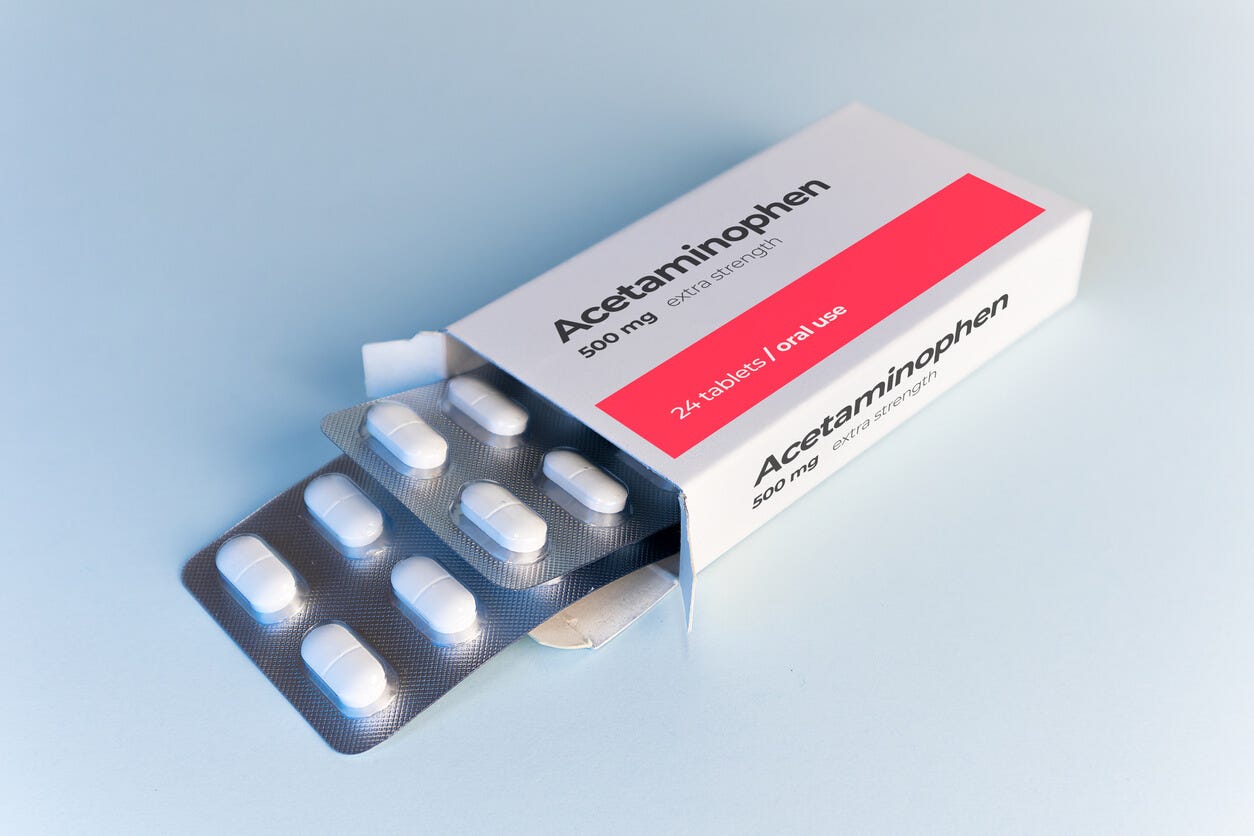
A groundbreaking study published on February 6, 2025, in Nature Mental Health has thrust acetaminophen—the ubiquitous pain reliever found in Tylenol—back into the spotlight. Researchers from Seattle Children’s Research Institute, led by Brennan Baker and Dr. Sheela Sathyanarayana, have uncovered evidence that prenatal exposure to acetaminophen may significantly increase the risk of attention-deficit/hyperactivity disorder (ADHD) in children. With the FDA historically deeming it safe for pregnant women, this new data is prompting urgent calls for a reevaluation of its status. As of February 22, 2025, this development is stirring debate—and with Robert F. Kennedy Jr. potentially steering the U.S. Department of Health and Human Services (HHS), the issue could gain unprecedented traction.
The Study: A Closer Look
The research draws from the CANDLE cohort, tracking 1,031 pregnant individuals in Memphis from 2006 to 2011. Unlike prior studies relying on self-reported use, this one measured acetaminophen metabolites in maternal plasma, offering a clearer picture of exposure. The results are striking: children of mothers with detectable acetaminophen biomarkers were 3.15 times more likely to develop ADHD, with daughters showing a staggering 6.16-fold increase in risk (though the effect was less pronounced and not statistically significant in sons). Given that 41–70% of pregnant women globally use acetaminophen for pain or fever, these findings challenge its long-standing reputation as a low-risk option during pregnancy.
Historically, the FDA has favored acetaminophen over alternatives like ibuprofen, which can harm fetal kidneys and heart. Yet, Dr. Sathyanarayana argues that the drug’s fetal neurodevelopmental impacts were never adequately assessed. Past studies have been inconsistent—Norway linked it to ADHD, while Sweden found no tie—but the biomarker approach here strengthens the case for concern. The question now is whether this evidence will push the FDA to act, especially as public awareness grows via platforms like X, where users are already voicing alarm.
A Shifting FDA Landscape
The FDA isn’t new to tweaking acetaminophen guidelines. In 2011, it capped its dose in opioid combos at 325 mg to curb liver injuries, slashing related hospitalizations by 13% annually. Last August, it floated a warning for rare skin reactions on over-the-counter labels. But neurodevelopmental risks are a different beast, potentially warranting pregnancy-specific cautions. The study’s authors call for more research to confirm causality and explore mechanisms—like why girls seem more affected—but the stakes are high enough to demand attention now.
RFK Jr.’s Potential Role
Enter Robert F. Kennedy Jr., whose rumored appointment as HHS Secretary under a Trump administration has sparked both excitement and controversy as of early 2025. Known for his skepticism of pharmaceutical overreach and regulatory complacency, RFK Jr. could turn this acetaminophen debate into a cause célèbre. His track record—decades of challenging vaccine safety, environmental toxins, and corporate influence—aligns with a willingness to question entrenched medical norms. As he takes the helm at HHS, which oversees the FDA, this study could become a lightning rod for his agenda.
Imagine the scenario: RFK Jr. seizes on this research to demand rigorous FDA reviews, framing acetaminophen as a symbol of overlooked risks in everyday medicine. His knack for rallying public support could amplify these findings, pressuring the FDA to fast-track new guidelines or warnings for pregnant women. Critics might decry it as alarmism, pointing to acetaminophen’s long safety record and the need for more data. But his supporters, wary of institutional inertia, would likely see it as a bold stand against a system too cozy with Big Pharma.
Commentary: Traction Ahead?
RFK Jr.’s leadership could turbocharge this issue in ways a typical HHS head might not. His outsider status and populist streak make him uniquely positioned to elevate niche scientific concerns into national conversations. Pair that with a study this compelling—objective biomarkers, not hazy surveys—and you’ve got a recipe for momentum. The gender disparity in the data (girls hit harder) might also resonate with broader discussions about sex-specific medical outcomes, adding fuel to the fire.
That said, hurdles remain. The FDA moves slowly, and entrenched interests—pharma giants, doctors reliant on acetaminophen as a go-to—won’t budge easily. They will claim more studies are needed to nail down causality, and any HHS push under RFK Jr. could face backlash as politicized science. Still, his tenure could mark a tipping point, forcing a reckoning on how we balance convenience with caution in pregnancy care. For now, expectant moms might think twice before popping that Tylenol—and with RFK Jr. in the mix, the FDA might not have a choice but to listen.
