ACIP’s Flu Vaccine Decisions Under MAHA: A Step Forward or a Pro-Vaccine Compromise?
Originally published: 2025-06-30
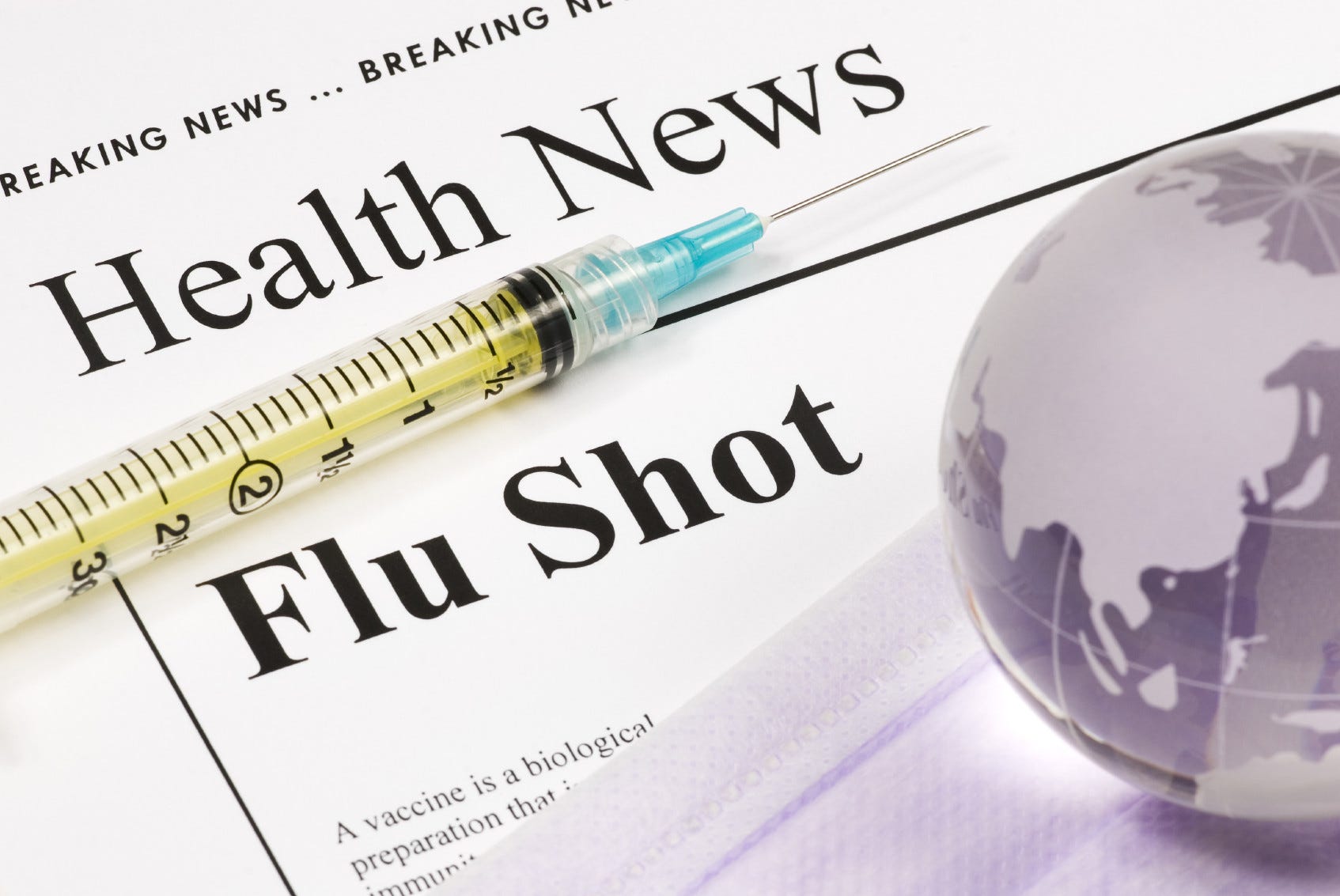
On June 26, 2025, the Advisory Committee on Immunization Practices (ACIP), reshaped by Health and Human Services Secretary Robert F. Kennedy Jr., made waves with its first meeting under the Make America Healthy Again (MAHA) banner. The committee reaffirmed the universal flu shot recommendation for all Americans aged 6 months and older and voted to recommend thimerosal-free flu vaccines. While these moves align with public health goals, they’ve sparked skepticism among MAHA supporters who question whether Kennedy’s leadership is veering toward a pro-vaccine stance, banking on the idea of “safe” vaccines. With 95% of flu shots already thimerosal-free, is this a genuine reform or a superficial nod to public concerns? This post dives into ACIP’s decisions, their implications, and the doubts they raise within the MAHA movement.
ACIP’s Unwavering Support for Universal Flu Shots
In a 6-0 vote (with one abstention), ACIP upheld the recommendation that everyone aged 6 months and older receive an annual flu shot, reinforcing a decades-old public health strategy to curb influenza. The decision comes amid a severe 2024-2025 flu season, which saw 250 pediatric deaths—the highest non-pandemic toll since 2009. For public health officials, this reaffirmation is a clear call to boost vaccination rates, which lagged at 49% for children and 46.7% for adults last season.
“The universal flu shot recommendation is critical to reducing the devastating impact of influenza on our communities.”
— ACIP June 26, 2025
Yet, for MAHA supporters, this move raises red flags. Kennedy, a long-time skeptic of vaccine mandates and institutional overreach, has championed a platform questioning the safety and necessity of widespread vaccination. The decision to maintain the universal flu shot recommendation, without questioning its one-size-fits-all approach, feels like a capitulation to the establishment. Critics within MAHA argue it signals Kennedy’s belief that vaccines, if tweaked, can be made “safe” and broadly acceptable—a stance that clashes with the movement’s push for deeper scrutiny of vaccine policies.
Thimerosal-Free Vaccines: Reform or Window Dressing?
In a separate 5-1 vote (with one abstention), ACIP recommended that children, pregnant women, and all adults receive thimerosal-free, single-dose flu vaccines, advising against multi-dose vials containing thimerosal, a mercury-based preservative. This decision aligns with Kennedy’s historical concerns about thimerosal, which he has linked to health risks in his 2014 book, Thimerosal: Let the Science Speak. On the surface, it appears as a win for MAHA’s mission to eliminate potentially harmful vaccine ingredients.
“Recommending thimerosal-free vaccines is a step toward addressing public concerns about vaccine safety.”
— ACIP June 26, 2025
However, the MAHA movement is skeptical. Notably, 95% of flu shots in the 2024-2025 season were already thimerosal-free, with single-dose vials and pre-filled syringes dominating the U.S. market. Multi-dose vials, which use thimerosal to prevent contamination, account for just 4–5% of the supply, primarily in mass vaccination settings. Data from Truveta shows only 3% of children and 2% of older adults received thimerosal-containing shots last season. For many MAHA supporters, this recommendation feels like a low-stakes gesture—addressing a minor issue while sidestepping broader questions about vaccine safety, efficacy, and necessity. Is Kennedy’s ACIP merely polishing the vaccine industry’s image by focusing on an already-resolved concern, or is this a strategic first step toward bigger reforms?
MAHA’s Doubts: Is Kennedy Going Pro-Vaccine?
The ACIP’s decisions have fueled unease within the MAHA movement, which rallies around Kennedy’s promise to challenge the pharmaceutical industry and public health orthodoxy. The universal flu shot recommendation, paired with the thimerosal-free push, suggests to some that Kennedy may be leaning toward a pro-vaccine stance, betting on “safer” vaccines as a middle ground. This perception is at odds with MAHA’s core skepticism of institutional trust in vaccines, particularly given the movement’s emphasis on individual choice and systemic reform.
“If 95% of flu shots are already thimerosal-free, why the fanfare? This feels like a distraction from the real issues with vaccines.”
— MAHA Supporter, June 2025
Skeptics within MAHA argue that the thimerosal focus is a safe target—most flu shots already meet the new standard, and the change affects only a small fraction of the market. They question why ACIP didn’t tackle bigger issues, like the flu vaccine’s variable efficacy (often 40–60% in good years) or the lack of long-term studies on repeated annual vaccinations. For these critics, the decisions reinforce concerns that Kennedy’s leadership might prioritize incremental tweaks over the transformative overhaul MAHA demands.
Implications for Public Health and MAHA’s Mission
ACIP’s recommendations carry significant implications, both for public health and the MAHA movement’s trajectory:
Public Health Continuity: The universal flu shot recommendation aims to maintain vaccination as a frontline defense against influenza, particularly for vulnerable groups like children and the elderly. The thimerosal-free push could encourage uptake among those hesitant about vaccine ingredients, though its impact is limited given the prevalence of single-dose shots.
Global Ripple Effects: While the U.S. can easily adopt thimerosal-free vaccines, multi-dose vials with thimerosal are vital for cost-effective vaccination in low-resource countries. MAHA supporters worry that ACIP’s recommendation could disrupt global access, raising costs without clear benefits, and question whether this aligns with Kennedy’s focus on health equity.
MAHA’s Internal Divide: The decisions highlight a tension within MAHA. Some see the thimerosal vote as a small victory, reflecting Kennedy’s influence on vaccine policy. Others view it as a compromise that legitimizes vaccines without addressing fundamental concerns about their safety or necessity. This divide could shape MAHA’s advocacy moving forward.
“We want real change, not just a rebrand of the same vaccine agenda. Kennedy needs to stay true to MAHA’s mission.”
What Lies Ahead?
The ACIP’s recommendations await approval from the Centers for Disease Control and Prevention (CDC), which is navigating a leadership transition with Susan Monarez’s nomination as director pending Senate confirmation. The thimerosal-free recommendation is likely to be adopted seamlessly in the U.S., given the dominance of single-dose vaccines, but its global implications remain uncertain. For the public, the message remains: flu shots are recommended for all, and most are already thimerosal-free.
For MAHA supporters, the path forward is less clear. The ACIP’s decisions have sparked a debate about Kennedy’s strategy—whether he’s playing a long game to reform vaccine policy or drifting toward a pro-vaccine stance that accepts “safe” vaccines as the solution. As the CDC reviews these recommendations, MAHA will be watching closely, demanding that Kennedy’s leadership delivers the systemic change they’ve rallied behind.
Conclusion: A Mixed Signal for MAHA’s Fight
The ACIP’s June 2025 decisions—reaffirming universal flu shots and recommending thimerosal-free vaccines—mark a pivotal moment under Kennedy’s MAHA leadership. While the thimerosal vote nods to public concerns, its limited scope (with 95% of flu shots already thimerosal-free) and the unchanged flu shot mandate have left many MAHA supporters skeptical. Is this a step toward healthier vaccine policies, or a sign that Kennedy is softening his stance, embracing the idea of “safe” vaccines? As the CDC weighs these recommendations, the MAHA movement will need to hold Kennedy accountable to its vision of challenging the vaccine status quo, not just tweaking it.
