Anthem's Low Back X-Ray Policy: A Lingering Legacy of Misguided Endorsements
Originally published: 2025-09-10
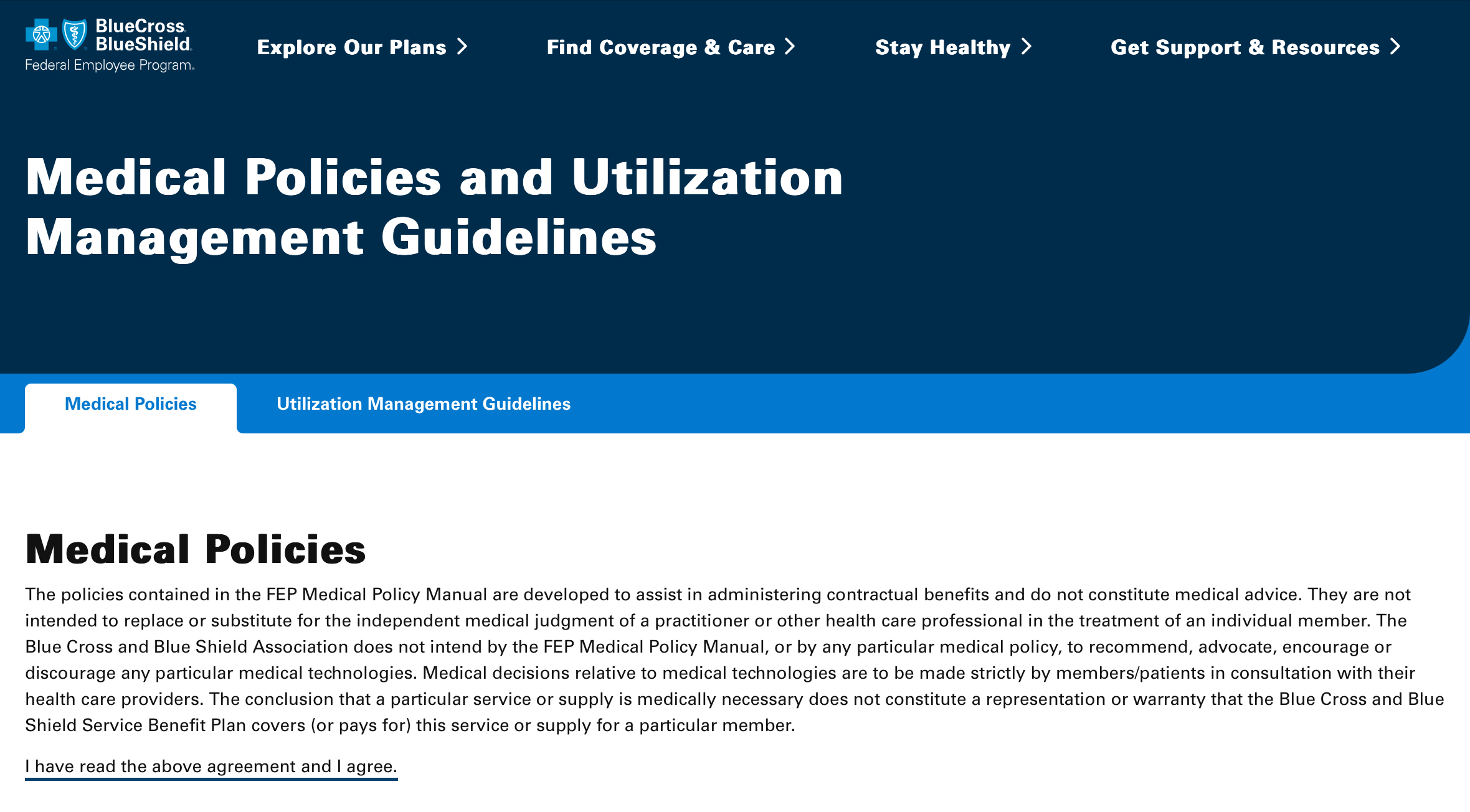
In healthcare reimbursement, few topics stir as much frustration among chiropractors as policies such as Anthem's Federal Employee Program (FEP) policy on low back X-rays. This rule, which prohibits routine imaging for uncomplicated low back pain in the first 28 days, has become a thorn in the side of providers who rely on X-rays for accurate diagnosis and management.
But here’s the kicker: this isn’t some fresh 2025 mandate. It’s a policy with deep historical ties to the Choosing Wisely campaign, endorsed by the American Chiropractic Association (ACA) back in 2017. And for that, we can “thank” the ACA and the broader chiropractic cartel and Subluxation Deniers for it. And we can thank the subluxation based community for not pushing back against guidelines that undermine the core of vertebral subluxation care.
The Current State of Anthem's Policy in 2025
As of September 2025, Anthem's FEP policy is firmly in place, aligned with the HEDIS (Healthcare Effectiveness Data and Information Set) measure for “Use of Imaging Studies for Low Back Pain (LBP).” It targets members aged 18–75 with a primary diagnosis of uncomplicated low back pain, denying reimbursement for X-rays (or advanced imaging like MRI/CT) within the first 28 days unless specific “red flags” are present, such as trauma, cancer history, or neurological deficits. Providers must use the KX modifier on claims to justify early imaging, backed by thorough documentation.
Recent updates, including a new medical policy (CG-RAD-29) effective November 1, 2025, in regions like Georgia, reinforce these restrictions without major changes. The stated goals: reduce unnecessary radiation exposure, cut costs, and promote conservative care like physical therapy or chiropractic adjustments first.
While this sounds reasonable on paper for those providing garden variety spinal manipulation it clashes with chiropractic practices that view X-rays as essential for detecting and monitoring vertebral subluxations, misalignments that aren’t always captured by “red flags” as well as their use to rule out contraindications for spinal adjusting.
“The preferred conservative medical treatment for uncomplicated low back pain (LBP) is… [without] imaging studies within 28 days of the initial diagnosis.”
This policy isn’t an isolated Anthem invention; it’s part of a broader Blue Cross Blue Shield push that dates back years, evolving from quality metrics introduced in the early 2020s.
Historical Roots: Choosing Wisely and Its Infiltration into Chiropractic
The Choosing Wisely campaign, launched by the ABIM Foundation in 2012, aimed to curb overuse of medical tests and treatments across specialties. By 2017, nearly 100 healthcare groups had joined, creating lists of “things to question.” That’s when the ACA stepped in as the first chiropractic organization to participate, releasing its own list of five recommendations.
At its core, Choosing Wisely advised against spinal imaging for acute low back pain in the first six weeks absent red flags, a timeframe slightly longer than Anthem’s 28 days but with the same intent. The ACA’s endorsement was framed as a step toward “evidence-based care,” but critics saw it as a betrayal of chiropractic principles, especially since it dismissed repeat X-rays for monitoring progress.
This move aligned with broader shifts in healthcare, including influences from the Affordable Care Act (ACA, ironically sharing initials), which emphasized cost control and quality measures like HEDIS. Insurers like Anthem and Blue Cross quickly latched on, incorporating these standards into policies by 2018 and beyond.
The 2018 Turning Point: ACA’s Adoption Sparks Backlash
Flash back to 2018: The ACA had just doubled down on Choosing Wisely, prompting immediate outcry. A scathing article from August 2, 2018, highlighted how Blue Cross Blue Shield of Illinois adopted these standards for chiropractic coverage, crediting the ACA directly. The piece accused the ACA of creating the very problem they later pretended to fight, noting their president’s futile plea to withdraw the policy.
“Ever since the American Chiropractic Association (ACA) adopted its dangerous Choosing Wisely standards and made its members sign a pledge that they would follow them, the ACA has been reeling from the fallout.”
The article pointed out that the ACA’s list, including no X-rays for acute low back pain unless red flags and no repeats for progress monitoring, directly contradicted standard chiropractic care. Techniques relying on X-rays to assess vertebral subluxation were sidelined, as imaging is “the only objective, valid and reliable method” for determining misalignments and verifying corrections.
“The recommendations by the ACA… are at odds with what is considered to be a standard of care within chiropractic.”
Groups across the profession rejected the ACA’s stance, yet the ACA pressed on, teaming with the ABIM Foundation and Consumer Reports to promote these measures as ways to avoid “unneeded or overused services.” No mention of subluxation in their press releases, just a focus on musculoskeletal disorders, fueling accusations of “subluxation denial.”
This 2018 adoption by BCBS Illinois was a harbinger for national policies like Anthem’s FEP, which formalized similar restrictions by 2020–2023. The policy “really isn’t new”, it’s a direct descendant of that era.
Impacts on Vertebral Subluxation Management
For chiropractors focused on vertebral subluxation, these guidelines are more than bureaucratic hurdles, they’re an attack on practice fundamentals. X-rays aren’t just optional; they’re crucial for identifying biomechanical issues and tracking adjustments.
The ACA’s failure to speak out against restrictions that ignore subluxation has allowed insurers to deny reimbursements for what many see as essential care.
“Insurance companies have for decades attempted to deny reimbursement for radiographs taken for this purpose. Subluxation deniers, and some trade organizations like the medically oriented ACA, have sought to paint such practices as unprofessional…”
The 2018 article warned of this, noting how the ACA’s push to expand scope (including drugs) while downplaying subluxation language in Medicare paved the way. Today, in 2025, providers must navigate appeals, alternative coding, or delayed imaging to comply, often at the expense of optimal patient outcomes.
Why We Can “Thank” the ACA and the Chiropractic Cartel
The chiropractic cartel, the ACA and similar medically oriented groups, endorsed Choosing Wisely without robust defense of subluxation-based care. Their silence (or active promotion) let guidelines flourish, influencing policies like Anthem’s that prioritize cost over chiropractic autonomy.
As the 2018 article quipped, the ACA’s indignation was nothing more than “window dressing” after creating the problem.
“Does the ACA actually think anyone will believe that they did not see this coming and that this newfound indignation is simply window dressing to fool ACA members…”
If you’re a chiropractor dealing with Anthem denials, remember: this policy traces back to 2017–2018 decisions. It’s time for the profession to reclaim its voice and push for guidelines that honor vertebral subluxation, not restrict it.
