Are Osteopaths Revolutionizing Neonatal Care & What Lessons Can Chiropractors Learn From Them?
Originally published: 2025-10-25
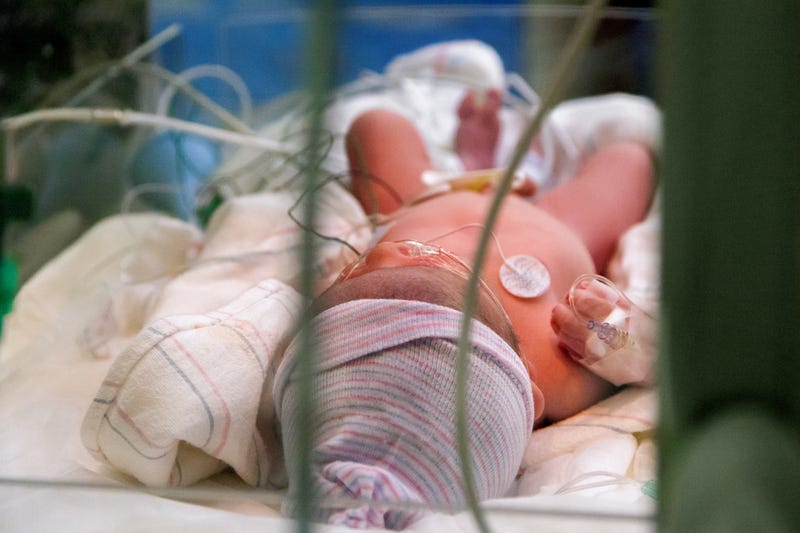
In the delicate world of neonatal intensive care units (NICUs), where premature babies fight their first battles for health and survival, innovative approaches are always welcome. Recent research from Italian osteopaths is shining a bright light on the potential of osteopathic manipulative treatment (OMT) to transform outcomes for these tiny warriors. This hands-on therapy isn’t just complementary, it’s proving to be a game-changer, helping preemies get home sooner with fewer medical hurdles. And as we’ll explore, this success story holds inspiring lessons for the chiropractic community, urging them to step up their research game in pediatric care.
The Groundbreaking Research Behind OMT in NICUs
For over a decade, dedicated Italian osteopaths and researchers have been pioneering studies on OMT’s role in supporting premature infants. Published in reputable sources these investigations, ranging from randomized controlled trials to meta-analyses, consistently demonstrate how OMT, when added to standard NICU care, leads to remarkable improvements.
Take, for instance, a 2013 randomized controlled trial involving 110 preterm infants (gestational ages 29–37 weeks). Babies receiving OMT alongside routine care experienced a significantly shorter length of stay (LOS) in the hospital, a mean reduction of about 5.9 days compared to those without OMT. This isn’t just about saving time, it translates to less exposure to hospital environments, potentially reducing risks and allowing families to bond at home earlier.
Building on this, a 2017 systematic review and meta-analysis of five trials, encompassing over 1,300 preterm infants, reinforced these findings. OMT was linked to an average LOS reduction of 2.71 days and substantial cost savings of around €1,546 per infant. The benefits were even more pronounced for very preterm babies under 32 weeks, highlighting OMT’s potential in the most vulnerable cases. A 2020 observational study of 1,249 NICU newborns (many preterm) further showed enhanced weekly weight gain and dramatically shorter stays, up to 12.3 days less in preterm subgroups, with no adverse effects reported.
Even earlier work, like a 2011 study on neonatal gastrointestinal issues, points to OMT’s broader impacts, such as improved feeding and digestion. These results paint a picture of a safe, non-invasive therapy that complements medical interventions, potentially minimizing the need for prolonged treatments and fostering healthier starts to life.
“OMT significantly reduced LOS by an average of 2.71 days and costs by about €1,546 per infant, with greater benefits for those with lower gestational ages.”
— From a 2017 meta-analysis on OMT in preterm infants
A Call to Action for Chiropractors: If Osteopaths Can Lead, So Can We
The osteopathic community’s commitment to rigorous, evidence-based research is truly commendable. By conducting controlled trials and publishing in peer-reviewed journals, they’ve built a solid foundation that validates OMT’s value in NICUs. This isn’t just academic, it’s real-world impact that’s helping families and healthcare systems alike.
Now, imagine if the chiropractic profession followed suit. Chiropractors, with their expertise in gentle, hands-on adjustments, have a natural affinity for pediatric care, including in NICUs. Yet, while anecdotal success stories abound, the field could benefit immensely from developing robust research programs focused on the benefits of chiropractic interventions for children, especially premature ones. If osteopaths can do it, pioneering studies that show dramatic effects on neonates, so can chiropractors. It’s time to invest in high-quality trials, collaborations with NICUs, and data-driven advocacy to demonstrate how chiropractic care might similarly reduce hospital stays, enhance development, and lessen medical interventions.
Advocates for chiropractic care in pediatrics should prioritize funding and partnerships to create this evidence base. Picture the possibilities: shorter NICU times, happier families, and a stronger role for chiropractors in integrative neonatal medicine. This isn’t about competition, it’s about expanding options for the tiniest patients who deserve every advantage.
“These studies date back over a decade, aligning with the ‘for years’ timeframe, and describe effects that could be considered dramatic in a NICU context.”
— Reflecting on the enduring impact of Italian osteopathic research
Looking Ahead: A Brighter Horizon for Holistic Neonatal Care
The success of OMT in Italian NICUs is a beacon of hope, proving that holistic therapies can thrive alongside advanced medical care. As we celebrate these advancements, let’s rally the chiropractic community to build on this momentum. By fostering research that mirrors the osteopaths’ dedication, chiropractors can unlock new doors in pediatric health, ensuring more premature babies not only survive but thrive from day one.
