ChiroCongress Is Willing to Fight Insurance Giants—But Not Its Own Profession’s Gatekeepers
Originally published: 2025-06-29
Background
In 2019, during its annual convention in San Diego, ChiroCongress convened the “Future of Chiropractic Forum”—a professionally facilitated gathering of stakeholders from across the country. That event led to the formation of what is now known as the Chiropractic Future Strategic Plan, with ChiroCongress taking on the role of coordinator for this long-term initiative. Though branded as a collaborative vision for the profession’s next 50 years, the plan emerged directly under the stewardship of ChiroCongress and remains closely aligned with the same institutions that have long shaped the profession’s internal power dynamics. ChiroCongress is led by its President Brian Stenzler DC.
A Strategic Silence
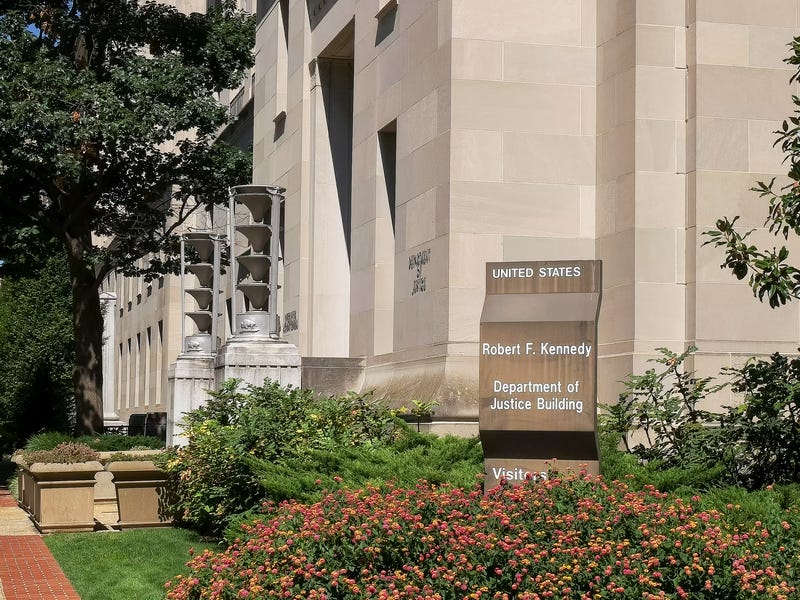
Chiropractic Future recently made headlines by filing formal complaints with the U.S. Department of Justice’s Anticompetitive Regulations Task Force. Their submissions highlighted systemic discrimination against chiropractors in Medicare, ERISA-governed plans, and private insurance networks. The documents are well written, comprehensive, and deeply concerned with fairness in reimbursement.
But what’s missing speaks louder than what’s included.
There’s no mention—none at all—of the chiropractic profession’s internal monopolies. Not a word about the Council on Chiropractic Education (CCE) and its exclusive grip on accreditation. Nothing about the National Board of Chiropractic Examiners (NBCE) and its centralized control of licensure. Nothing about state-mandated exams that force students to travel to Greeley, Colorado, and hand over thousands of dollars just to enter the profession. And absolutely no reference to the recent lobbying effort by the Association of Chiropractic Colleges (ACC) to increase how much students can borrow—a move that drives the cost of chiropractic school toward $300,000 per degree.
“Chiropractic Future is fighting insurance monopolies while pretending the cartel in its own backyard doesn’t exist.”
Complaints with the Right Tone—But the Wrong Targets
Chiropractic Future's DOJ submissions cover:
Medicare’s exclusion of chiropractors from telehealth and non-manipulative services;
ERISA abuse by insurers to suppress provider networks;
Violations of the federal provider nondiscrimination law (42 U.S.C. § 300gg–5).
These are legitimate issues. But they also come from a very specific philosophical stance: a profession trying to prove its legitimacy within a medical-insurance industrial complex that has never valued it.
Instead of challenging the pathogenic, medicalized model that dominates third-party reimbursement, Chiropractic Future is fighting for a better seat at the same dysfunctional table. Their vision is not a liberated chiropractic future—it’s a chiropractic profession begging for scraps from the payers who already undervalue them.
The Irony is Too Big to Ignore
They’re writing to the Department of Justice about ERISA market distortions, but ignoring how:
NBCE uses state mandates and CCE Policy 56 to force every graduate through a single test at a single location.
Chiropractic students enter school under one licensure framework and graduate into another—a moving target controlled by private entities with no accountability.
The chiropractic cartel has created a closed-loop system where accreditation, licensure, and exam passage are all controlled by interlocked organizations—each reinforcing the other’s power.
And while they’re asking DOJ to “restore competition” in healthcare access, they stood by as the ACC lobbied Congress to increase student loan caps, knowing full well those funds would be used to prop up inflated tuition and NBCE exam fees—not to create competition, transparency, or alternatives.
While ChiroCongress positions itself as a national unifier and visionary through the Chiropractic Future Strategic Plan, its actions—or lack thereof—tell a different story. When the Montana Chiropractic Association (MCA), a member organization of ChiroCongress, actively pushed legislation to expand the chiropractic scope to include prescription drug rights, many chiropractors across the country sounded the alarm. They urged ChiroCongress leadership to intervene, to at least speak out in defense of chiropractic’s drugless identity.
But ChiroCongress President Brian Stenzler didn’t lift a finger. No public statement. No letter of concern. No effort to distance the organization from this fundamental shift in professional philosophy. The silence was deafening—and telling. While the organization claims to represent a broad and inclusive future, it had no interest in defending the core principles of the profession when they were under direct threat from one of its own affiliates.
“You can’t fight monopolies on the outside while protecting them on the inside.”
The Real Battle They Won’t Fight
If Chiropractic Future truly wants to combat anticompetitive practices, it must start within. That means:
Challenging the NBCE’s centralized Part IV scheme;
Calling out the exclusive recognition of CCE as a gatekeeper;
Demanding that chiropractic education stop functioning as a federally-financed debt trap;
And supporting the creation of competitive alternatives in testing, accreditation, and licensure.
Instead, they’ve chosen a safer route—one that avoids conflict with entrenched power structures inside the profession. It’s the kind of strategic silence that keeps students in debt, innovation stifled, and the profession chained to an outdated institutional model.
A Call for Courage, Not Just Reform
Chiropractic Future isn’t wrong to challenge insurance discrimination. But if they want to lead the profession toward a truly “better future,” they must confront the cartel economics and monopolistic gatekeeping that undermine chiropractic from the inside out.
Until then, their vision remains incomplete—and their advocacy, however sincere, remains complicit.
“Real reform means challenging the structures that pay your friends, not just the ones that reject your claims.”
