Dodging the Obvious: What the New York Post Forgot to Mention About Strokes in Young Adults
Originally published: 2025-06-06
In a June 3, 2025 article, the New York Post sounded the alarm on a dramatic increase in stroke cases among young adults. Citing CDC data, the article noted a 14.6% spike in stroke rates among individuals aged 18 to 44 between 2020 and 2022—a trend that neurologists find deeply concerning. The causes? According to the quoted experts: stress, energy drinks, oral contraceptives, Adderall, and general lifestyle factors.
But conspicuously absent from the article—and from nearly all mainstream reporting—is any mention of the spike protein, despite its well-documented role in vascular damage.
“They listed every cause under the sun—except the one circulating in everyone’s blood.”
The Approved Narrative: Blame Stress, Not Science
When the List of Explanations Is Longer Than the List of Questions
The Post quotes Dr. Mohammad Anadani, who points to the usual suspects: high blood pressure, diabetes, poor diet, stimulant use, and excessive caffeine. While these are legitimate stroke risk factors, they hardly explain the rapid surgein stroke cases among young people in just two years.
We’re asked to believe that in the midst of a global mRNA vaccination campaign and widespread COVID infections—both involving the spike protein—the only culprits are Red Bull and long work hours?
“It’s not what they’re saying that’s the problem—it’s what they refuse to say.”
What the Spike Protein Actually Does
A Vascular Disaster in Plain Sight
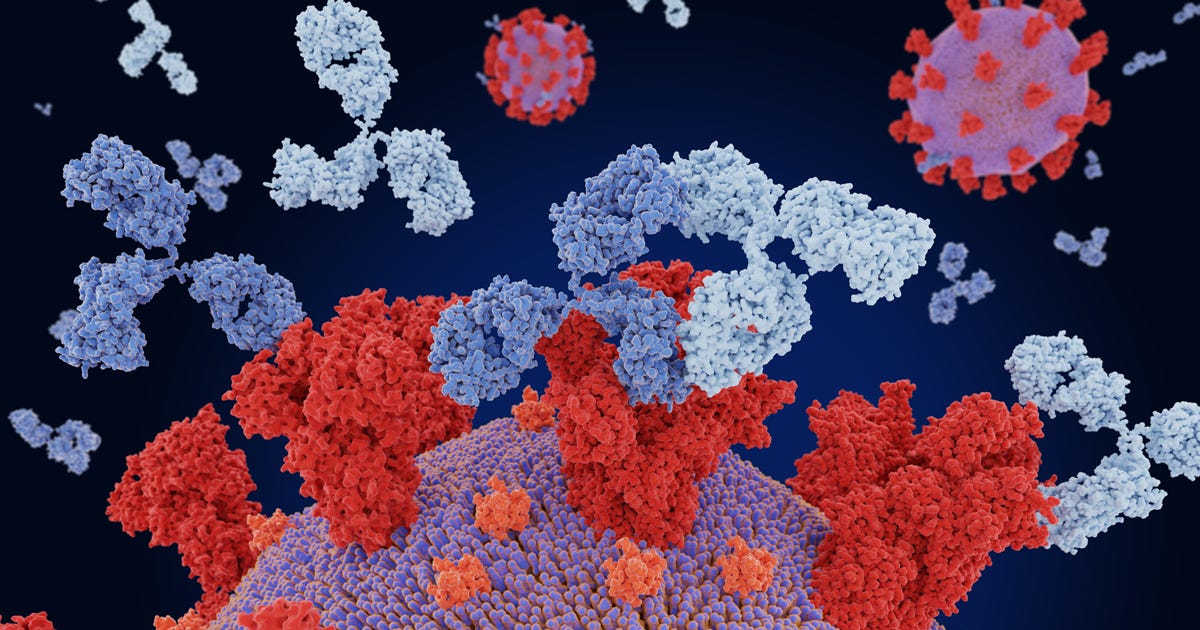
Scientific research has shown that the spike protein binds to ACE2 receptors, which are abundant in the vascular system. This interaction can:
Disrupt endothelial cell integrity
Promote microclot formation
Increase inflammation and oxidative stress
Destabilize the arterial walls, especially in the cervical and coronary vasculature
These effects are not hypothetical—they’ve been demonstrated in vitro, in animal models, and increasingly in human case studies. Stroke, myocarditis, and vascular inflammation are well-documented adverse events in the wake of both COVID-19 infection and mRNA vaccination.
“We know the spike protein compromises blood vessels. So why pretend it’s not part of the stroke conversation?”
When Journalism Fails Medicine
Silence Protects Institutions, Not Patients
The New York Post article is a classic example of health journalism that tiptoes around the truth. By focusing on individual behavior while ignoring biologic mechanisms, it protects pharmaceutical and institutional interests at the expense of public understanding.
There’s no mention of the spike protein.
No discussion of the biologic changes post-COVID.
No inquiry into how mRNA technology might alter vascular risk profiles.
This is not neutral reporting. It’s strategic omission.
“They’re not investigating the rise in strokes—they’re managing the narrative around it.”
Chiropractors: Frontline Providers Must Not Be Fooled
We See These Patients First—And Often, We’re Their Only Advocate
Chiropractors are often the first to encounter young adults with neck pain, dizziness, and headaches—symptoms that may precede a vertebral artery dissection and lead to stroke. With mainstream media refusing to explore the full picture, we cannot afford to adopt the same blind spots.
Our responsibilities now include:
Asking deeper health history questions—including about recent COVID infection or vaccination
Screening for subtle vascular symptoms
Documenting findings thoroughly
Referring appropriately when red flags appear
“It’s not about playing doctor. It’s about not being the last person to miss a dissection.”
Conclusion: Say What They Won’t
The New York Post article may have intended to raise awareness, but its refusal to even mention the spike protein undermines its credibility. When mainstream outlets act like stenographers for pharma-safe talking points, the burden of truth-telling shifts to those of us in the trenches.
Chiropractors—and all frontline providers—must be willing to speak plainly. The spike protein is not just present. It’s relevant. And when vascular events rise in step with its widespread presence, pretending otherwise is neither scientific nor ethical.
“You can’t hide the truth forever. You can only hope the consequences don’t come before the headlines do.