Dr. Mary Talley Bowden’s Ethical Stand: No Incentives for Medical Consent
Originally published: 2025-11-06
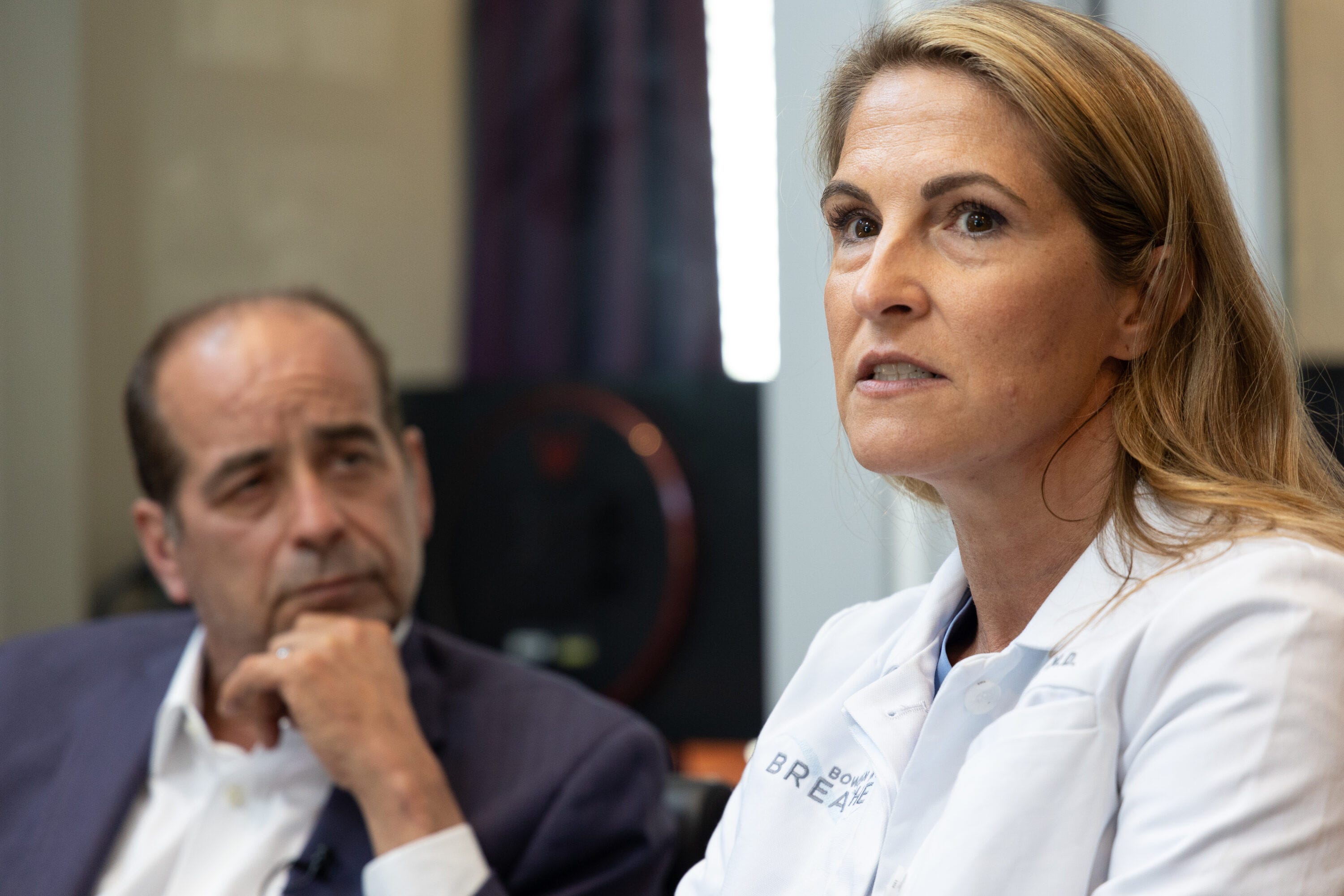
In the ongoing debate over medical ethics, few voices have been as resolute as Dr. Mary Talley Bowden’s. Her recent statement criticizing the use of incentives to encourage medical treatments has sparked renewed discussion about the sanctity of informed consent. This post delves into her position, professional background, and high-profile battles with regulatory bodies, highlighting why her views resonate in today’s healthcare landscape.
A Dedicated Physician with a Focus on Patient-Centered Care
Dr. Mary Talley Bowden is a board-certified otolaryngologist and sleep medicine specialist based in Houston, Texas. She completed her residency at Stanford University and has built a career emphasizing direct-care practices through her clinic, BreatheMD. Over the years, she has treated thousands of patients, gaining particular attention during the COVID-19 pandemic for her alternative treatment approaches, including the use of ivermectin.
Bowden claims to have kept over 6,000 COVID-19 patients out of the hospital by prioritizing early intervention and personalized care. Her philosophy centers on empowering patients rather than adhering strictly to institutional protocols.
This approach led her to resign from Houston Methodist Hospital in 2021 after the institution suspended her privileges for publicly questioning COVID-19 vaccine mandates and promoting off-label treatments. Undeterred, she founded Americans for Health Freedom, an organization advocating for medical liberty and transparency in healthcare.
“Founder Americans for Health Freedom. Kept 6000+ C19 patients out of the hospital. Sued FDA for spreading misinformation and WON!”
— Dr. Mary Talley Bowden, X Bio
The Core Position: Incentives Undermine True Informed Consent
At the heart of Bowden’s recent commentary is a firm rejection of using financial or other incentives to influence patients’ medical decisions. Responding to a discussion about incentivizing public health choices, she stated unequivocally that such tactics erode the foundational principle of informed consent, decisions must be voluntary, informed, and free from undue influence.
This view aligns with her broader critique of coercive elements in medicine, such as mandates or rewards that could exploit vulnerabilities. Bowden argues that true consent cannot exist when external pressures, like cash rewards or lotteries, sway individuals, particularly in economically disadvantaged groups.
“It is never appropriate to offer financial or any other incentives to patients to undergo a medical treatment. Completely violates informed consent.”
— Dr. Mary Talley Bowden, X Post, November 5, 2025
Her stance echoes ethical guidelines from bodies like the American Medical Association, which caution against incentives that might compromise voluntariness. However, Bowden takes a stricter line, viewing such incentives as inherently problematic in clinical settings.
Battling the Texas Medical Board: A Fight for Professional Freedom
Bowden’s advocacy has not come without conflict. She has been embroiled in a prolonged dispute with the Texas Medical Board (TMB), which has investigated her practices multiple times. The controversy escalated in 2021 when she prescribed ivermectin to a COVID-19 patient at a Fort Worth hospital without admitting privileges, leading to complaints of unprofessional conduct and patient confidentiality violations.
In October 2025, the TMB issued a reprimand, citing her actions as violations of the Texas Medical Practice Act. Bowden has vowed to appeal, framing the board’s actions as an overreach that stifles innovative care and punishes dissent against mainstream narratives. She has also joined a lawsuit against the Federation of State Medical Boards, accusing it of infringing on physicians’ First Amendment rights.
Additionally, Bowden successfully sued the FDA in 2022, forcing the agency to retract misleading statements about ivermectin, a victory she often highlights as evidence of institutional bias. These battles underscore her commitment to challenging what she views as regulatory overreach that prioritizes conformity over patient outcomes.
“Dr. Bowden has been duking it out with the Texas Medical Board, claiming they’ve had it in for her ever since she spoke out against vaccine mandates.”
— Summary from a 2025 media report
Broader Implications: Rethinking Ethics in Modern Medicine
Bowden’s position on incentives invites a deeper examination of how healthcare systems balance public health goals with individual rights. In an age of pandemics and polarized medical debates, her emphasis on uncompromised informed consent serves as a reminder that ethical medicine must prioritize patient autonomy above all.
Whether through her clinical work, legal challenges, or public statements, Dr. Bowden continues to advocate for a healthcare model free from manipulation. Her story is a testament to the personal and professional costs of standing against the tide—and the potential rewards for those who value truth and freedom in medicine.
