FDA to Phase Out Artificial Food Dyes by 2026: A Bold Step Toward Healthier Food
Originally published: 2025-04-24
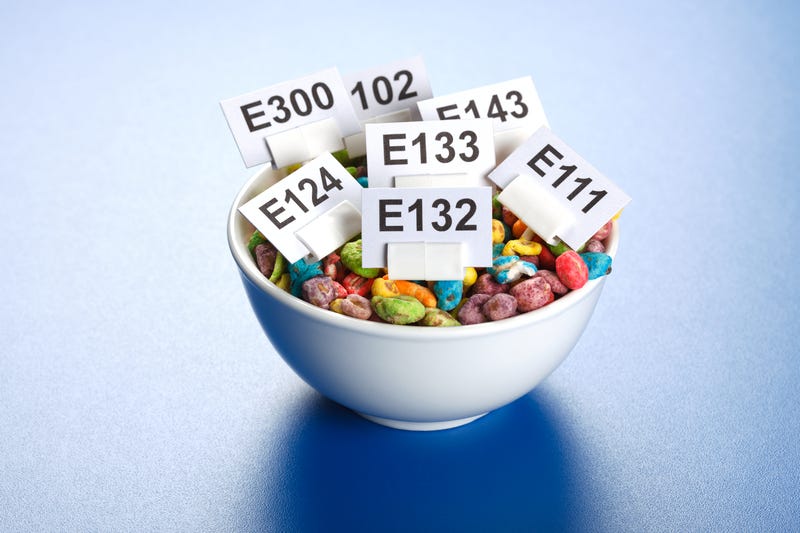
On April 22, 2025, Health and Human Services Secretary Robert F. Kennedy Jr. dropped a bombshell: the FDA will phase out eight petroleum-based artificial food dyes from the U.S. food supply by the end of 2026. This move, part of Kennedy’s “Make America Healthy Again” (MAHA) initiative, targets synthetic dyes like Red No. 40 and Yellow No. 5, which color everything from cereal to candy. It’s a seismic shift in food regulation, driven by growing concerns about health impacts, especially on children. Here’s what you need to know about this groundbreaking decision.
Why the Phase-Out?
Artificial food dyes, derived from petroleum, have been staples in processed foods for decades, making products visually appealing. However, studies have raised red flags about their safety. Research, including a 2021 California study, suggests these dyes may contribute to behavioral issues like hyperactivity and ADHD in children. While the FDA has long maintained that current dye levels are safe, public pressure and conflicting scientific evidence have forced a reckoning.
“We’re removing these dyes to protect our kids and ensure our food supply supports health, not harm.”
— Robert F. Kennedy Jr., Health and Human Services Secretary
The eight dyes targeted for elimination are FD&C Blue Nos. 1 and 2, Green No. 3, Red No. 40, Yellow Nos. 5 and 6, Orange B, and Citrus Red No. 2. These are found in snacks, beverages, medications, and even some vitamins. Kennedy’s announcement signals a broader scrutiny of food additives, with artificial dyes as the first major target.
A Transition to Natural Alternatives
The FDA isn’t leaving manufacturers high and dry. To ease the transition, the agency is fast-tracking approvals for natural dye alternatives, such as beetroot extract, turmeric, and spirulina. These plant-based options are already used in some products but face regulatory hurdles that the FDA now aims to streamline.
“Natural dyes aren’t just safer—they’re the future of food innovation.”
— FDA Spokesperson, April 2025
The phase-out relies on industry cooperation rather than a strict ban, with regulatory flexibility offered to help companies reformulate products. This pragmatic approach acknowledges the challenges of overhauling supply chains while keeping the 2026 deadline firm.
Public and Political Momentum
The decision comes amid growing public demand for cleaner food. States like California and West Virginia have already banned synthetic dyes in school meals, citing health concerns. Kennedy’s MAHA initiative taps into this momentum, framing the dye phase-out as a step toward reducing chronic health issues tied to processed foods.
Critics, however, warn of potential pushback from the food industry, which relies heavily on artificial dyes for cost and consistency. Some argue the science linking dyes to health issues isn’t conclusive enough to justify such a sweeping change. Yet, Kennedy’s influence and the public’s appetite for reform make this a tough tide to turn back.
What’s Next?
The dye phase-out is just the beginning. Kennedy has hinted that other food additives, like certain preservatives or artificial sweeteners, could face similar scrutiny. For now, the focus is on ensuring a smooth transition to natural dyes while maintaining consumer choice and product availability.
“This is about giving Americans food they can trust. We’re just getting started.”
— Robert F. Kennedy Jr.
Consumers can expect to see changes on supermarket shelves over the next 18 months as brands adapt. In the meantime, the FDA is encouraging public feedback and plans to hold industry workshops to support reformulation efforts.
A Healthier Future?
Kennedy’s bold move has sparked both excitement and debate. For parents worried about what’s in their kids’ snacks, it’s a long-overdue victory. For the food industry, it’s a challenge to innovate under a tight timeline. One thing is clear: the phase-out of artificial food dyes marks a turning point in how America regulates its food supply. By 2026, the rainbow of synthetic colors in our groceries may give way to a more natural palette—and a healthier one, too.
Stay tuned for updates as this story unfolds, and let us know your thoughts on the FDA’s decision in the comments below!
