FDA to Phase Out Artificial Food Dyes by 2026: A Step Forward, But Sugar Stays
Originally published: 2025-04-23
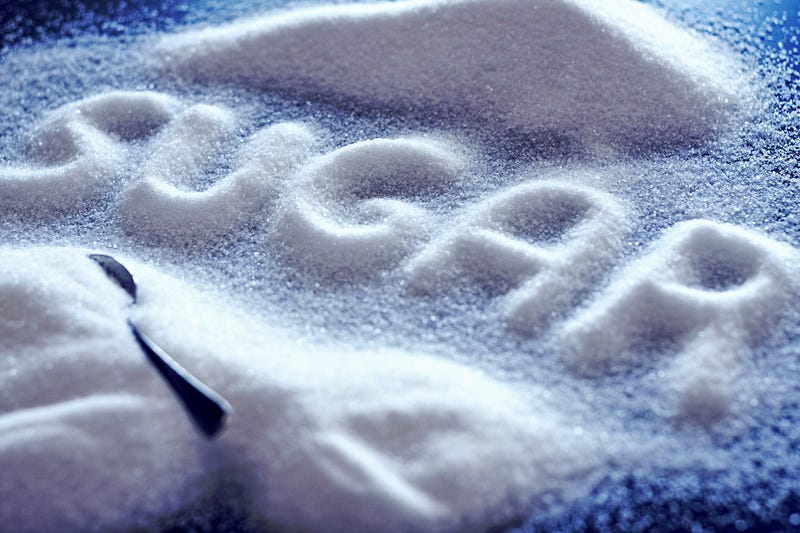
On April 22, 2025, Health and Human Services Secretary Robert F. Kennedy Jr. announced a game-changing move: the FDA will phase out eight petroleum-based artificial food dyes from the U.S. food supply by the end of 2026. As part of Kennedy’s “Make America Healthy Again” (MAHA) initiative, synthetic dyes like Red No. 40 and Yellow No. 5—found in cereals, candies, and even medications—will be replaced with natural alternatives. While this is a bold step toward safer food, there’s a glaring omission: sugar, a key driver of health issues, remains untouched, raising questions about the scope of Kennedy’s reforms.
Why Dyes Are Out
Artificial food dyes, derived from petroleum, have long been criticized for potential health risks. Studies, including a 2021 California report, link dyes to behavioral issues like hyperactivity and ADHD in children. The FDA, despite previously deeming these dyes safe, now faces public and scientific pressure to act. The targeted dyes—FD&C Blue Nos. 1 and 2, Green No. 3, Red No. 40, Yellow Nos. 5 and 6, Orange B, and Citrus Red No. 2—color a vast array of processed foods.
“We’re removing these dyes to protect our kids and ensure our food supply supports health, not harm.”
— Robert F. Kennedy Jr., Health and Human Services Secretary
Kennedy’s plan is ambitious, but it sidesteps a bigger culprit: sugar. While dyes may affect behavior, excessive sugar consumption is tied to obesity, diabetes, and heart disease—epidemics costing the U.S. healthcare system billions annually. By focusing on dyes, Kennedy risks delivering candy and snacks coated in natural dyes but still packed with sugar.
The Sugar Industry’s Iron Grip
The sugar industry, a behemoth with deep political influence, likely plays a role in this selective reform. Valued at over $50 billion in the U.S., the industry has a history of lobbying to protect its interests. From sugar subsidies in farm bills to campaign contributions, Big Sugar wields significant power in Washington. The American Beverage Association and companies like Coca-Cola and Mars have long deflected scrutiny from sugar’s health impacts, funding studies that downplay risks or shift blame to other factors.
Kennedy’s silence on sugar suggests he’s picking battles he can win. Taking on artificial dyes, which lack the same entrenched industry backing, is a safer target. Meanwhile, the sugar industry’s influence ensures that high-fructose corn syrup and refined sugars remain staples in processed foods. By 2026, we may see Skittles and Froot Loops dyed with beetroot or turmeric, but their sugar content—often exceeding 10 grams per serving—will likely stay sky-high.
“This is about giving Americans food they can trust. We’re just getting started.”
— Robert F. Kennedy Jr.
Natural Dyes: A Partial Fix
To ease the dye phase-out, the FDA is fast-tracking approvals for natural alternatives like spirulina, beetroot extract, and turmeric. These plant-based dyes are already used in some products but face regulatory and cost barriers. The FDA’s plan relies on industry cooperation, offering flexibility to reformulate products by the 2026 deadline.
“Natural dyes aren’t just safer—they’re the future of food innovation.”
— FDA Spokesperson, April 2025
However, swapping dyes doesn’t address the core issue of processed food’s nutritional quality. Natural dyes may make products look healthier, but without tackling sugar, the reform feels like a half-measure. A Twinkie dyed with annatto is still a Twinkie.
Public Momentum and Political Realities
The dye phase-out aligns with growing public demand for cleaner food. States like California and West Virginia have banned synthetic dyes in school meals, citing health concerns. Kennedy’s MAHA initiative capitalizes on this, framing dyes as a public health threat. Yet, the sugar industry’s clout makes similar restrictions on sweeteners a tougher sell. Critics argue that without addressing sugar, Kennedy’s reforms risk being cosmetic—a feel-good change that leaves deeper problems intact.
What’s Next?
Kennedy hints that more food additives, like preservatives or artificial sweeteners, may face scrutiny. But taking on sugar would require confronting a Goliath the dye industry never was. For now, the FDA is focused on workshops and public feedback to support the dye transition. Consumers can expect reformulated products by 2026, but don’t hold your breath for sugar-free versions.
A Healthier Future or a Sugary Status Quo?
The phase-out of artificial dyes is a victory for health advocates, especially parents concerned about their kids’ diets. But by leaving sugar untouched, Kennedy’s plan risks swapping one problem for another: brightly colored, naturally dyed junk food still loaded with sweeteners. The sugar industry’s influence looms large, ensuring that while our snacks may look greener, their impact on our health may stay the same. As Kennedy pushes for a healthier America, the question remains: will he tackle the sweet elephant in the room, or is Big Sugar too powerful to touch?
