FDA Approves Moderna Behind RFK Jr.’s Back
Originally published: 2025-07-23
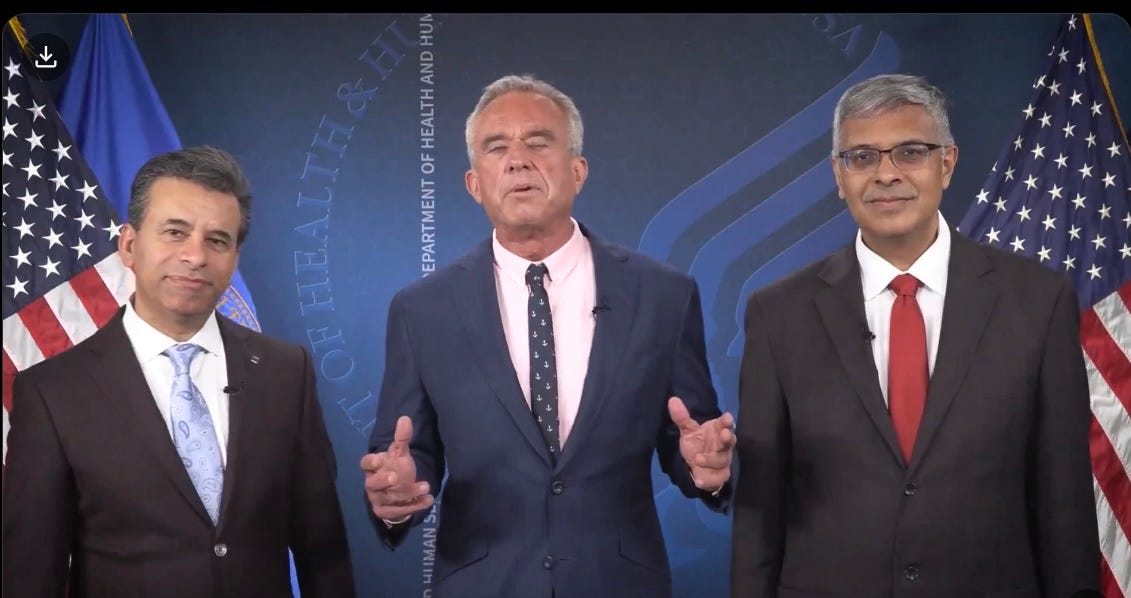
Behind-the-Scenes Decisions and Firings Reveal Tensions in U.S. Health Policy
On July 10, 2025, the FDA granted full approval to Moderna’s Spikevax COVID-19 vaccine for children aged 6 months to 11 years at high risk of severe disease, igniting a firestorm of controversy. Reports surfaced that the decision was made without the knowledge or approval of Health and Human Services (HHS) Secretary Robert F. Kennedy Jr., leading to the dismissal of two top aides and raising questions about the future of vaccine policy in the U.S. This blog post dives into the unfolding drama, its implications, and what it means for public trust in health institutions.
The FDA’s Surprise Move
On July 10, 2025, the FDA announced full approval of Moderna’s Spikevax for young children, transitioning it from Emergency Use Authorization (EUA) to permanent status for those at increased risk of COVID-19 complications. The decision was hailed by some public health experts as a step toward protecting vulnerable children, with Moderna promising an updated vaccine for the 2025-2026 respiratory season. However, the approval process quickly became a lightning rod for criticism.
“The FDA’s decision was made public while Kennedy was on vacation, with no briefing or sign-off. This is a breach of trust.” — Dr. Robert Malone, ACIP Member
According to Dr. Robert Malone, a member of the CDC’s Advisory Committee on Immunization Practices (ACIP), the approval was orchestrated without informing Kennedy or his deputy chief of staff, Stefanie Spears, both of whom were on vacation. This lack of communication has fueled accusations of a deliberate attempt to bypass Kennedy’s oversight, given his well-known skepticism of mRNA vaccines and their use in healthy children.
A Leadership Purge at HHS
The fallout was swift. Kennedy, reportedly furious over the unauthorized decision, fired his Chief of Staff, Heather Flick Melanson, and Deputy Chief of Staff for Policy, Hannah Anderson. While some sources, including Melanson herself, claim she resigned voluntarily, others assert both were sacked for failing to align with Kennedy’s health policy agenda. Matt Buckham, the HHS White House liaison, was promptly named acting Chief of Staff, signaling a broader effort to consolidate control.
“Kennedy’s trust was broken. The firings reflect his commitment to reshaping HHS around transparency and accountability.” — MAHA PAC Statement
The dismissals have been linked directly to the Moderna approval controversy, with Malone and the Make America Healthy Again (MAHA) PAC suggesting they were a response to the aides’ failure to flag the FDA’s move. This shakeup underscores Kennedy’s determination to enforce his vision for HHS, which prioritizes safety and efficacy toward routine vaccinations and greater scrutiny of pharmaceutical influence.
Public Backlash and Vaccine Skepticism
The FDA’s decision has sparked significant outrage, particularly among vaccine skeptics and Kennedy’s supporters. Posts on X reflect a growing distrust in federal health agencies, with many accusing the FDA of undermining Kennedy’s authority and pushing a “Big Pharma agenda.” Critics argue that approving the vaccine for young children, even those at high risk, contradicts Kennedy’s push to limit COVID vaccinations to only the most vulnerable populations.
Public health organizations, like the American Academy of Pediatrics, have countered these sentiments, expressing concern that Kennedy’s broader vaccine policies, such as his overhaul of the ACIP panel, could erode confidence in routine immunizations. Legal challenges have also emerged, with lawsuits alleging violations of the Administrative Procedure Act in Kennedy’s efforts to reshape vaccine recommendations.
“This approval feels like a betrayal of Kennedy’s mission to prioritize informed consent and safety.”
The Revocation Question
Speculation is rife that the Moderna vaccine’s approval could be revoked, though no official action has been confirmed as of July 22, 2025. Kennedy’s track record, including his firing of the entire ACIP panel and appointment of vaccine experts like Malone, suggests he may push for a review of the decision. The controversy has intensified calls for greater transparency in vaccine approvals, with some advocating for a complete halt to mRNA vaccine use in children.
However, revoking an FDA approval is a complex process, requiring substantial evidence of safety or efficacy concerns. While some reports fuel hope among skeptics for a reversal, the lack of concrete steps toward revocation keeps this possibility in the realm of speculation for now.
What’s Next for HHS and Vaccine Policy?
The Moderna approval controversy is a flashpoint in Kennedy’s broader mission to reform U.S. health policy. His leadership has already seen significant changes, including efforts to limit COVID vaccine recommendations for healthy children and pregnant women. The firings of Melanson and Anderson signal a willingness to take decisive action against perceived missteps, but they also highlight internal tensions within HHS.
“Kennedy’s vision is clear: no more business-as-usual in health policy. But the road ahead is fraught with challenges.” — Health Policy Analyst
Legal battles, public distrust, and pushback from the medical establishment will likely shape the next chapter. The outcome of this controversy could set a precedent for how vaccine approvals are handled under Kennedy’s watch and whether public confidence in health institutions can be restored.
A Test of Trust
The FDA’s approval of Moderna’s Spikevax for young children has exposed deep fault lines in U.S. health policy. Kennedy’s response, firing key aides and signaling a crackdown on unauthorized decisions, reflects his commitment to reshaping HHS around transparency and skepticism of pharmaceutical influence. Yet, the lack of clarity around the approval process and the potential for revocation have left the public divided.
As Kennedy navigates this crisis, the stakes are high. Will he succeed in aligning federal health agencies with his vision, or will internal and external pressures derail his efforts? One thing is certain: the fight for control over vaccine policy is far from over, and its outcome will shape the future of public health in America.
