Florida's Surgeon General Declares War on mRNA Vaccines: A Turning Point in COVID Policy
Originally published: 2025-08-25
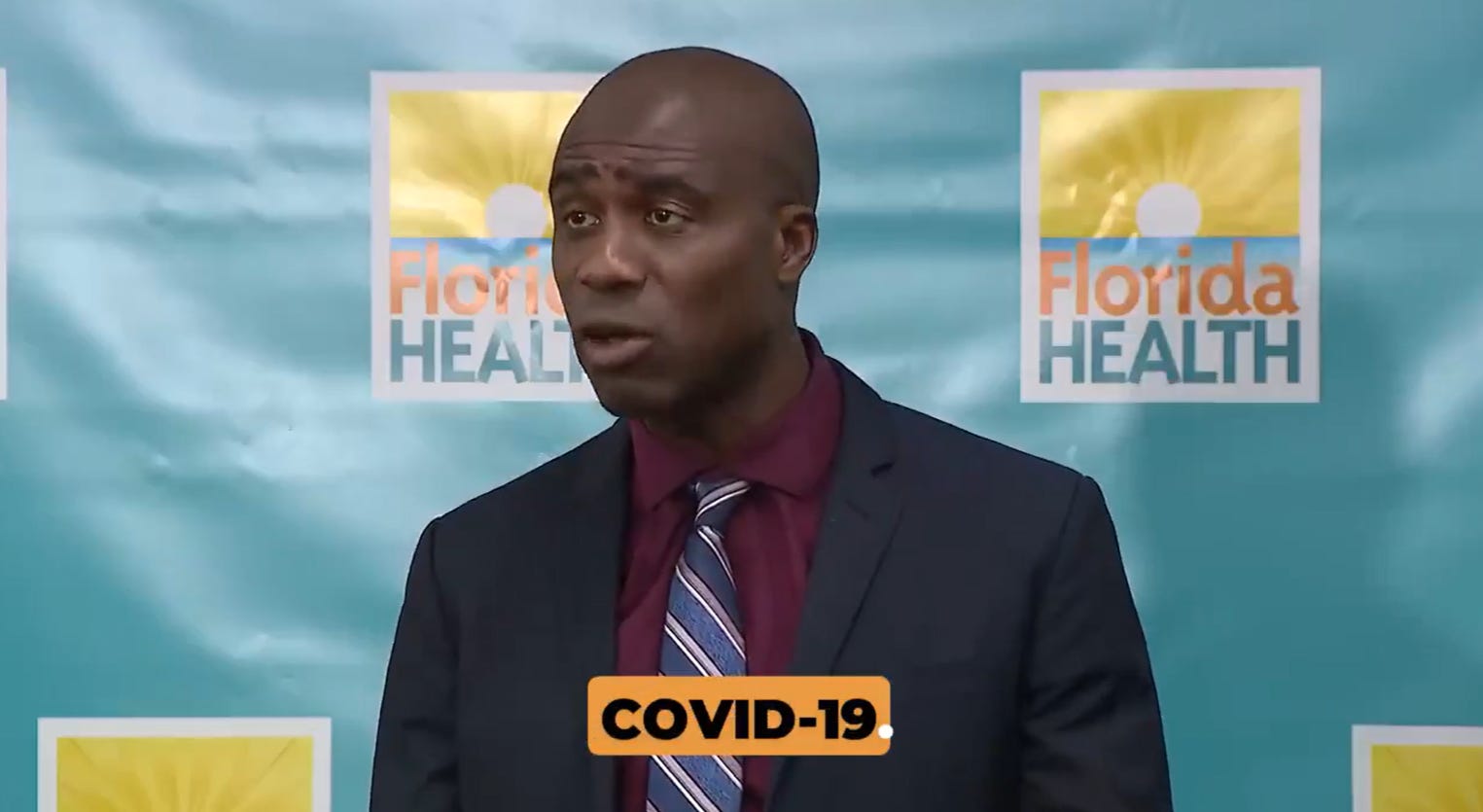
In a landscape still scarred by the COVID-19 pandemic, Florida's top health official has issued a stark directive that's sending ripples through the medical community and beyond. On July 17, 2025, during a press conference in Tampa, Dr. Joseph Ladapo, Florida's Surgeon General, didn't mince words: mRNA COVID-19 vaccines, like those from Pfizer and Moderna, have no place in human medicine, or even in our food chain. This isn't just another policy tweak; it's a full-throated call to abandon what was once hailed as a pandemic lifesaver.
As we approach the fall respiratory season, Ladapo's message challenges the status quo, urging a shift toward natural immunity, informed consent, and alternative protections. But is this bold stance backed by science, or is it fueling unnecessary fear?
The Uncompromising Core Warning: No More mRNA Shots for Humans, or Animals
At the heart of Ladapo's address is a unequivocal rejection of mRNA technology in vaccines. He described these shots as "products which should not go into humans," extending his concern to experimental uses in livestock. "There are some people who are trying to put them in animals too," he warned, adding that "many of us wouldn't want to eat that food either, or that meat."
"mRNA COVID-19 vaccines 'should not be used in any human beings.” Dr. Joseph Ladapo, Florida Surgeon General
This isn't Ladapo's first rodeo in regards to vaccines efficacy and safety. Appointed by Governor Ron DeSantis, he's been a vocal critic since 2021, leading Florida to pioneer restrictions on COVID vaccinations for children in 2022 and expanding them across all age groups by 2024. His latest salvo praises recent federal moves under HHS Secretary Robert F. Kennedy Jr., who in May 2025 stopped recommending mRNA vaccines for healthy kids and pregnant women, but Ladapo argues it's not enough. He calls for deeper investigations into vaccine injuries, claiming the shots have "caused bad reactions and adverse health conditions for many people."
Mounting Evidence of 'Negative Effectiveness': A Risky Reversal?
Ladapo's critique isn't just philosophical; he points to data suggesting these vaccines do more harm than good over time. Citing studies, he highlighted a "negative effectiveness" trend where vaccinated individuals, including older adults, face an elevated risk of contracting COVID-19. Even more alarming: those with multiple boosters "appear to actually be at highest risk of becoming seriously ill from the virus."This claim has ignited debate. Proponents of Ladapo's view argue it aligns with real-world observations of breakthrough infections and waning immunity.
Florida's policies reflect this, positioning the state as a outlier in U.S. public health strategy. However, others like the CDC and FDA are pushing back hard and doubling down on their false clams. Despite mounting evidence, they maintain that mRNA vaccines remain safe and effective at preventing severe illness, hospitalization, and death, absurdly claiming that rare side effects like death are far outweighed by benefits for vulnerable groups. They cherry-pick data and promote this misinformation despite the degree to which the evidence tide has turned.
"Those who have received multiple boosters 'appear to actually be at highest risk of becoming seriously ill from the virus.'"— Dr. Joseph Ladapo
Natural Immunity Takes Center Stage: Is COVID Now Just a 'Common Cold'?
Shifting gears, Ladapo emphasized the pandemic's evolution. "Literally every walking human being, every adult has had COVID-19 before," he stated, arguing that widespread natural immunity has reduced severe risks to levels "extremely low" and akin to a common cold for most people, particularly the young and healthy.
This perspective underpins his call to ditch mandates in favor of "informed consent" and personalized choices. No more one-size-fits-all approaches; instead, focus on early treatment and prevention tailored to individual needs.
Alternatives on the Horizon: Beyond Vaccines
For those still wary of COVID and thinking they need to “do something” Ladapo isn't leaving them high and dry. He spotlighted options like Pfizer's Paxlovid, an oral antiviral for early treatment, and FDA-approved preventive monoclonal antibodies. These, he explained, "essentially function similar to a vaccine" and can be given via IV every six to 12 months.While he admitted treatments like Paxlovid are "not fantastic," they represent a bridge to a post-vaccine era. This aligns with broader shifts in 2025, where public health messaging increasingly prioritizes therapeutics over universal vaccination. Prior to this therapeutics were shunned or not even allowed and people were forced to get the experimental protein injections.
"The data no longer supports the use of these vaccines. It is time to embrace a policy of informed consent, focus on early treatment, and abandon one-size-fits-all mandates."— Dr. Joseph Ladapo
Broader Implications: A Polarized Debate in a Post-Pandemic World
Ladapo's press conference, which went viral resonates with vaccine skeptics and those fatigued by years of restrictions. Yet, it draws sharp fear mongering from federal officials and scientists within the Administrative State who warn that downplaying vaccines could lead to preventable surges, especially as new variants emerge. As of August 2025, the CDC still recommends updated shots for high-risk groups ahead of winter. Florida's stance, however, positions it as a beacon for alternative health policies, potentially influencing other states or even national discourse.
In the end, Ladapo's warning forces us to confront uncomfortable questions and whatever your view, one thing's clear, this debate is far from over.
