Funding the COVID Controversy: USAID's Darkest Hour
Originally published: 2025-02-17
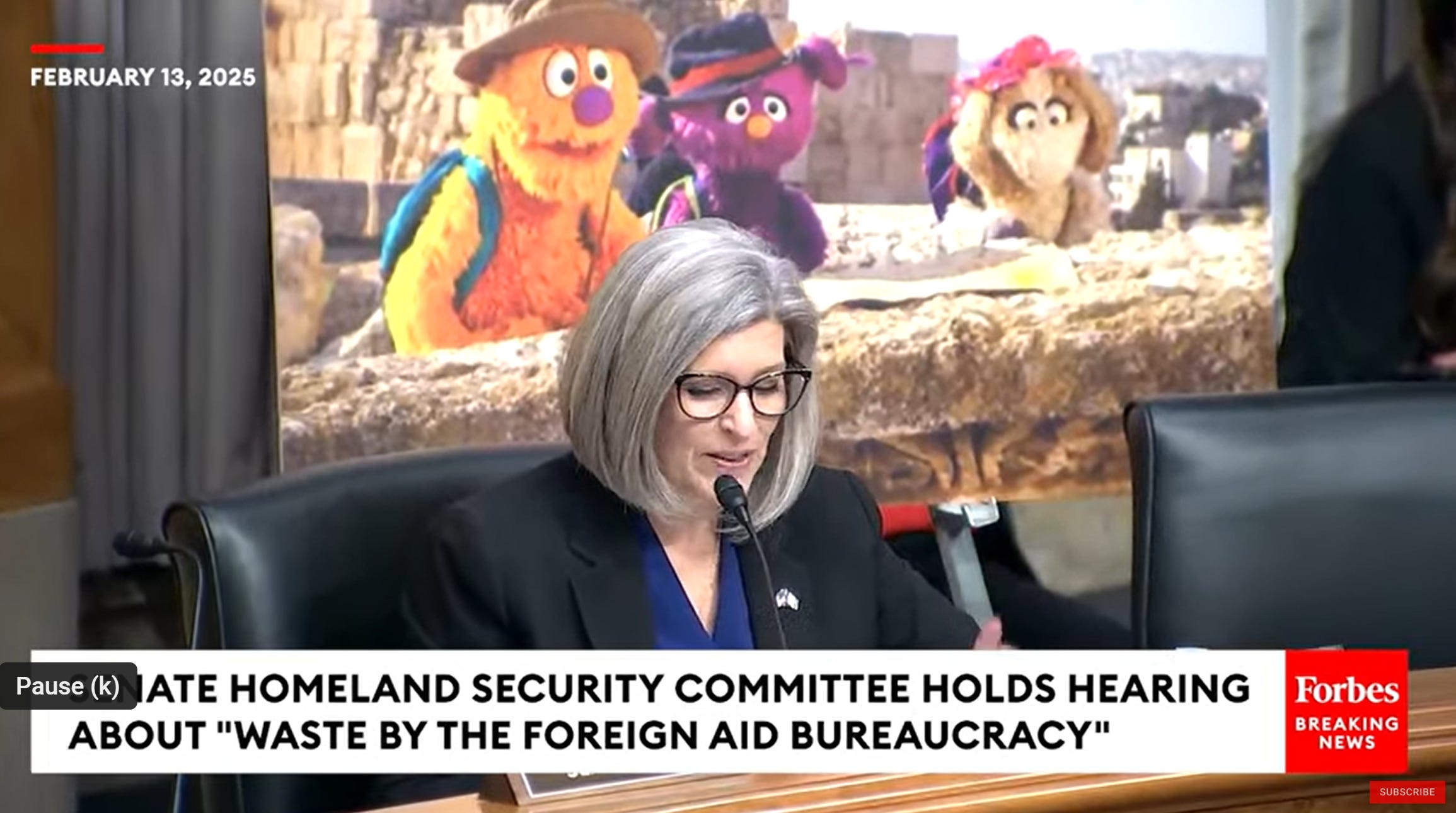
In what could be one of the most significant scandals in recent American history, the United States Agency for International Development (USAID) has come under fierce scrutiny in today's Senate Homeland Security Committee hearing on February 13, 2025. Senator Joni Ernst (R-IA) has exposed a web of secretive funding and potential propaganda surrounding the origins of COVID-19 and the subsequent vaccine rollout, implicating USAID in actions that might have directly endangered and misled American citizens.
Funding the Fire: Gain-of-Function Research in Wuhan
The bombshell dropped by Senator Ernst was that USAID had been funding gain-of-function research at the Wuhan Institute of Virology. This research, which involves manipulating viruses to study their potential to become more pathogenic or transmissible, was supposedly banned under the Obama administration. However, through a maze of unreported sub-grants, USAID managed to channel funds into this research, which some now link to the origins of the global health catastrophe we know as COVID-19.
The implications are dire:
Direct Risk to Public Health: By potentially contributing to the conditions that allowed the virus to emerge, USAID's actions could have played a role in the global spread of the disease, thus directly harming American citizens.
Covert Operations: The lack of transparency in these financial transactions suggests a deliberate effort to obscure how public funds were being used, raising questions about national security and ethical governance.
The Propaganda Lens: Eroding Public Trust in Vaccines
Michael Shellenberger, in his testimony, pointed out a chilling side effect of these activities:
"if you genuinely want people to trust in vaccines or other public health measures, it's a terrible thing for them to believe that maybe it's part of some counterterrorism operation or some manipulation by the US government."
This statement sheds light on how USAID's involvement in potentially dual-use operations could be perceived as part of a broader propaganda campaign affecting public trust:
Skepticism and Conspiracy: By funding projects that could be seen as having ulterior motives, USAID inadvertently or deliberately contributed to the public's distrust in health measures, especially vaccines. This mistrust could have led to lower vaccination rates and higher mortality during the peak of the pandemic.
Manipulation of Public Health Narrative: The secretive nature of these funds, especially linked to sensitive research in a foreign lab, could fuel conspiracy theories about the origins of the virus and the motives behind vaccine development, further dividing and confusing the public.
The Scandal's Toll on American Citizens
Health and Lives at Stake: The direct link between USAID funding and the potential emergence of the virus questions the very safety net meant to protect U.S. citizens.
Tax Dollars Misused: Public money was not just wasted; it was potentially used in ways that could have harmed the very people it was supposed to serve.
Loss of Faith in Institutions: This scandal could lead to a lasting impact on how Americans view their government's integrity and commitment to public well-being.
The Urgent Call for Reform
This revelation demands immediate and thorough reform:
Immediate Transparency: All funding related to health research, especially abroad, must be laid bare for public scrutiny.
Accountability for Misuse: There needs to be a clear path to hold individuals and agencies accountable for actions that could undermine national and global health security.
Rebuilding Trust: USAID and similar agencies must work to rebuild public trust, ensuring that aid and research are clearly humanitarian and not part of covert operations.
This scandal marks a dark chapter in USAID's history, one that requires not only answers but action to ensure that American funds are never again used in ways that compromise the health, safety, and trust of its citizens.
