How SARS-CoV-2 Impacts Bone Health and Complicates Chiropractic Care
Originally published: 2025-01-23
The COVID-19 pandemic has reshaped the landscape of healthcare, introducing new challenges and complexities for practitioners across all fields. Chiropractors, in particular, have faced heightened scrutiny and risk management challenges, especially concerning vascular complications such as vertebral artery dissection and stroke, which have made patient triage more critical than ever.
Now, emerging research adds another layer of complexity to the equation: the impact of SARS-CoV-2 on bone health.
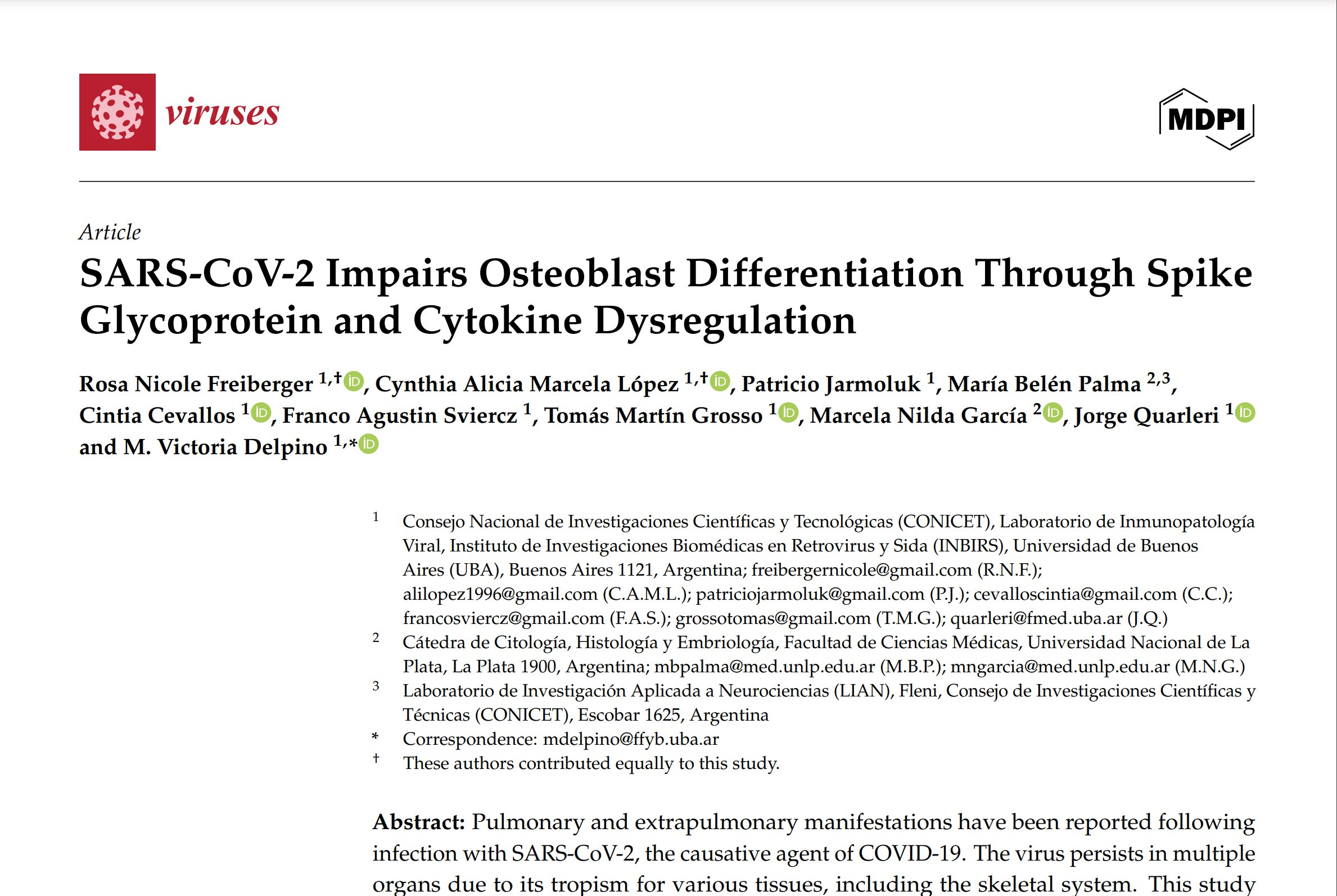
A recent study titled "SARS-CoV-2 Impairs Osteoblast Differentiation Through Spike Glycoprotein and Cytokine Dysregulation" sheds light on how the virus disrupts bone homeostasis, potentially leading to long-term skeletal complications. This research not only underscores the systemic nature of COVID-19 but also raises important considerations for chiropractors who must now account for potential bone fragility and altered bone metabolism in their patients, particularly those recovering from COVID-19.
The Study: Key Findings
The study, conducted by researchers in Argentina, investigated how SARS-CoV-2 infection affects the differentiation of mesenchymal stem cells (MSCs) into osteoblasts, the cells responsible for bone formation. The researchers exposed MSCs to both the ancestral strain of SARS-CoV-2 and the Omicron variant, observing the following key outcomes:
1. Productive Infection in Osteoblasts: Both viral strains were able to infect and replicate within osteoblasts, leading to the production of new viral particles. This suggests that bone cells are not only susceptible to the virus but may also serve as a reservoir for viral persistence.
2. Inhibition of Osteoblast Differentiation: The virus significantly impaired the ability of MSCs to differentiate into osteoblasts, as evidenced by reduced alkaline phosphatase (ALP) activity, decreased calcium deposition, and diminished collagen production. These effects were observed even with UV-inactivated virus, indicating that the viral spike protein itself plays a role in disrupting bone formation.
3. Cytokine Dysregulation: The study found elevated levels of interleukin-6 (IL-6), a cytokine known to inhibit osteoblast differentiation and promote bone resorption. Additionally, the virus upregulated the expression of RANKL, a key mediator of osteoclastogenesis (the formation of bone-resorbing cells), further tipping the balance toward bone loss.
4. Redox Imbalance: The researchers noted an increase in mitochondrial reactive oxygen species (ROS) in virus-exposed cells, which can inhibit osteoblast differentiation and contribute to oxidative stress, a known factor in bone degradation.
Implications for Chiropractic Practice
For chiropractors, these findings add a new dimension to the already complex risk management landscape. The vascular risks associated with COVID, such as vertebral artery dissection, have become a concern, requiring careful patient screening and triage. However, the potential for COVID-19 to impair bone health introduces additional considerations:
1. Increased Risk of Bone Fragility: Patients recovering from COVID-19, particularly those with severe or prolonged infections, may experience impaired bone formation and increased bone resorption. This could lead to reduced bone mineral density (BMD) and a higher risk of fractures, even with low-impact manipulations.
2. Altered Healing Responses: The dysregulation of cytokines like IL-6 and the upregulation of RANKL suggest that COVID-19 survivors may have compromised bone healing capabilities. Chiropractors must be cautious when managing patients with recent COVID-19 infections, as their bones may be more susceptible to injury and slower to recover.
3. Long-Term Skeletal Consequences: The study highlights the potential for long-term skeletal complications in COVID-19 survivors, including osteoporosis and other bone-related disorders. Chiropractors could consider incorporating or referring out for bone health assessments into their post-COVID patient evaluations, particularly for older adults and those with pre-existing conditions that affect bone metabolism.
4. Need for Enhanced Triage Protocols: As with the vascular piece, given the systemic impact of COVID-19 on bone health, chiropractors may need to revise their triage protocols to include questions about a patient’s COVID-19 history, severity of infection, and any ongoing symptoms. Imaging studies, such as DEXA scans, may also become more relevant in assessing bone density before proceeding with certain treatments.
Moving Forward: A Call for Vigilance and Adaptation
The findings of this study underscore the importance of staying informed about the evolving impacts of COVID-19 on various body systems, including the musculoskeletal system. For chiropractors, this means not only continuing to refine their approaches to vascular risk management but also incorporating new strategies to address potential bone health issues in post-COVID patients.
As the healthcare community continues to grapple with the long-term effects of the pandemic, chiropractors must remain vigilant, adaptable, and proactive in their risk management practices. By doing so, they can ensure the safety and well-being of their patients and not get blamed for things they did not cause while navigating the complexities of post-COVID care.
Conclusion
The COVID-19 pandemic has brought to light the interconnectedness of bodily systems and the far-reaching consequences of viral infections. For chiropractors, the emerging evidence of SARS-CoV-2's impact on bone health adds another layer of complexity to patient care. By staying informed and adapting their practices, chiropractors can continue to provide safe and effective care in this new era of healthcare challenges.
