MAHA: Diet Over Drugs Challenging the Status Quo
Originally published: 2025-02-15
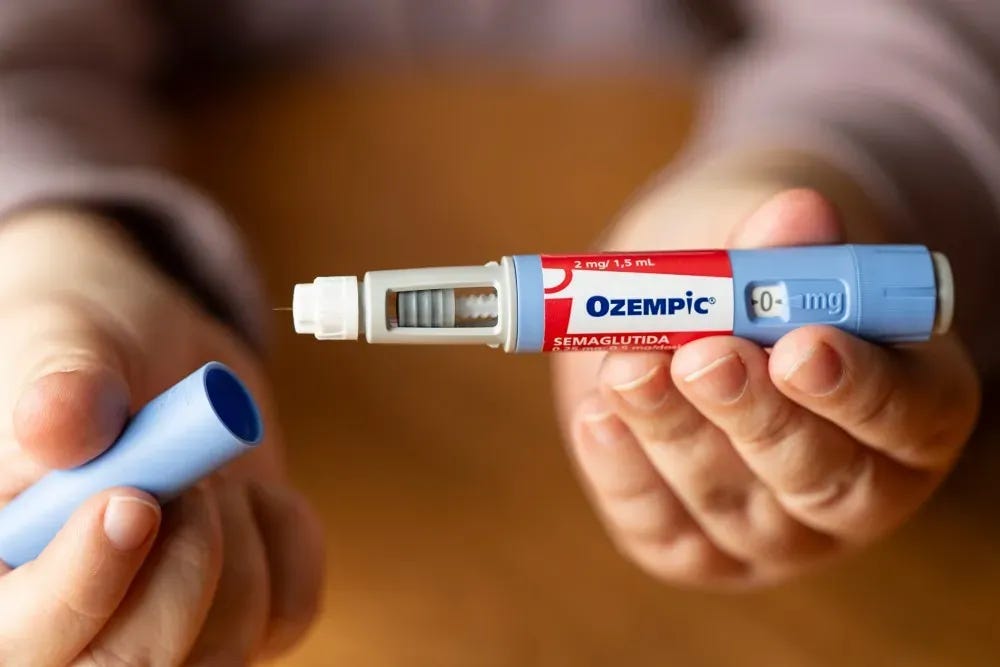
The political and health landscape of the United States has seen the emergence of Robert F. Kennedy Jr.'s "Make America Healthy Again" (MAHA) movement, which has sparked both controversy and conversation about how we approach public health. At the heart of this movement are RFK Jr.'s critiques of current health policies, particularly regarding the use and funding of pharmaceuticals like Ozempic, and his advocacy for a return to more natural, preventive health strategies.
The MAHA Agenda:
RFK Jr. has been vocal about his belief that the pharmaceutical industry, particularly giants like Novo Nordisk, exert undue influence over health policy, especially when it comes to managing chronic conditions like obesity. His recent statements have highlighted a contentious issue where he claims over 100 members of Congress support funding Ozempic through Medicare, many of whom, he alleges, have financial ties to the drug's manufacturer. This claim underscores a broader critique of the influence of corporate money in health policy decisions.
A Focus on Prevention Over Medication:
One of the core tenets of the MAHA movement is the push for lifestyle interventions over pharmaceutical solutions. RFK Jr. has pointed out the preventive potential of diet and exercise, arguing that for the cost of widespread Ozempic prescriptions, the nation could instead invest in providing organic food and gym memberships to Americans. This argument is rooted in his assertion that obesity, especially in children, is a preventable condition that has escalated due to modern dietary practices and inactivity.
Economic and Ethical Considerations:
The economic argument he presents is stark: if 74% of Americans are obese and were to use Ozempic, the annual cost could reach $3 trillion. He contrasts this with the Danish approach, where the government reportedly focuses on diet and exercise rather than medication for obesity management. This comparison not only highlights different national health strategies but also raises ethical questions about the long-term use of medications in young children for a condition seen as largely lifestyle-related.
The Broader Impact of MAHA:
Beyond specific policy critiques, the MAHA movement aims at a cultural shift in how Americans view and manage their health. RFK Jr. frames his advocacy with a personal touch, emphasizing his long-term commitment to addressing chronic diseases, particularly in children. His narrative is one of transformation, not just in physical health but in revitalizing the national spirit through better health practices.
Challenges and Controversies:
However, the MAHA movement isn't without its critics. His stance on vaccines and alternative health has been contentious, with many in the scientific community decrying what they see as a promotion of medical conspiracies or an oversimplification of complex health issues. The movement's critique of so called “established” health interventions while promoting what has been falsely framed as less proven methods of wellness has led to a polarized discourse.
Looking Forward:
As RFK Jr. has been confirmed as the Secretary of Health and Human Services, the MAHA movement's influence on American health policy could become more pronounced. Whether his vision will lead to actual policy changes remains to be seen, but the dialogue he has initiated challenges us to rethink our approach to public health, emphasizing prevention, transparency, and a reduction in pharmaceutical dependency.
In navigating this new landscape, it will be crucial to balance the idealism of preventive health with the realities of the administrative state, existing health infrastructure, economic considerations, and the scientific consensus on treatment efficacy. The MAHA movement, under RFK Jr.'s leadership, could either herald a new era of health policy or become a footnote in the ongoing debate about how best to make America healthy again.
