Measles Outbreak and Vaccine Panic: The Contradictions No One Is Talking About
Originally published: 2025-03-15
The recent measles "outbreak" making headlines across the country—now with over 200 cases and one confirmed death—has ignited another round of vaccine fear-mongering. Florida is the latest state to report cases, and the media narrative is clear: vaccine hesitancy, driven by misinformation and social media, is to blame. But is that the whole story—or even the right story?
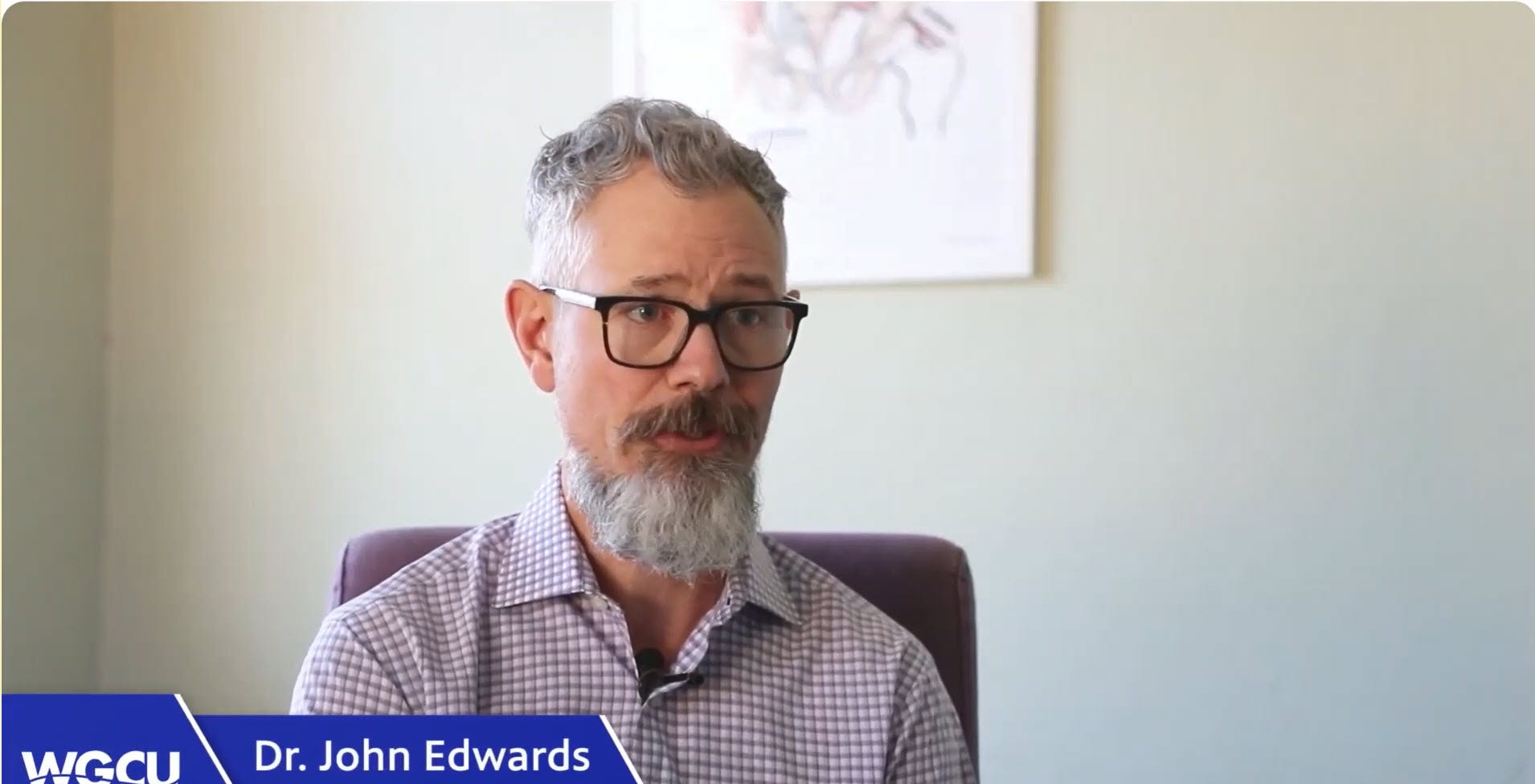
A recent segment on Southwest Florida in Focus highlighted these tensions perfectly. The broadcast featured Dr. Mary Beth Saunders, an infectious disease expert with Lee Health, and Dr. John Edwards, a chiropractor and father who has chosen not to vaccinate his children. The contrast between their perspectives reveals a deeper issue: the growing gap between public health dogma and legitimate questions about personal health choices.
CLICK HERE to hear Edwards view
CLICK HERE to view the entire segment
The Contradiction on Immunity
Dr. Saunders made a striking claim during the interview: while supplements and good nutrition can "boost" the immune system, that boost won’t help prevent measles. According to her, the only way to protect against measles is through vaccination.
Wait—what? If supplements and nutrition can enhance immune function, why wouldn’t a strengthened immune system increase the body’s ability to fight off a virus like measles? Dr. Saunders offered no explanation, sidestepping the obvious contradiction. Instead, she doubled down on the idea that immunity is somehow only relevant when it comes from a vaccine.
This rigid thinking reflects a broader pattern within mainstream medicine: natural immunity and holistic health practices are routinely downplayed or dismissed, even when evidence supports their effectiveness. For example, vitamin A has long been shown to reduce the severity of measles in malnourished children—something even the World Health Organization recognizes. Yet suggesting that nutritional status could play a role in measles prevention or recovery is treated as heresy.
The Manufactured Panic Over Measles
Dr. Edwards, the chiropractor interviewed in the segment, pointed out another glaring inconsistency: measles cases in the U.S. have been relatively stable for years. The CDC itself acknowledges that the U.S. sees around 300 cases annually, with occasional fluctuations. So why the panic now?
Dr. Saunders attributed the increase to "vaccine hesitancy" following COVID-19—a convenient scapegoat that sidesteps the reality that these outbreaks are cyclical and expected. The measles vaccine has never been 100% effective, and cases have always surfaced periodically, even in highly vaccinated populations. The real difference isn’t the case numbers—it’s the political and media environment fueling the fear.
The Political Undercurrents
The broader political backdrop reinforces this view. David Weldon, a former congressman and physician who has expressed cautious views about vaccine safety, was recently forced to withdraw from consideration to lead the CDC. His nomination was torpedoed not because he was unqualified, but because his views conflicted with the pharmaceutical industry's preferred narrative.
Weldon’s downfall echoes the reaction to RFK Jr.’s push for transparency and reform. Both men have advocated for informed consent, safety studies free from industry influence, and greater accountability in public health. For this, they’ve been labeled dangerous and anti-science. But the real danger lies in a system that suppresses dissent and refuses to engage with legitimate questions.
Fear Over Facts
Measles is a mild illness in most healthy individuals. Serious complications, while possible, are rare—especially in well-nourished populations with access to medical care. Dr. Saunders’ portrayal of measles as a grave threat to public health reflects the same fear-based messaging used to drive COVID-19 lockdowns and mandates.
But fear serves a purpose. It distracts from deeper issues: the rise in chronic illness despite expanded vaccination schedules, the unresolved questions about vaccine injury, and the pharmaceutical industry’s outsize influence on public health policy.
A Question of Choice, Not Science
This isn’t about rejecting vaccines—it’s about demanding transparency and preserving the right to make informed health decisions. Dr. Edwards’ approach—building immunity through nutrition, exercise, and a healthy lifestyle—may not align with public health orthodoxy, but it reflects a broader movement toward personal responsibility and natural health.
Dr. Saunders’ contradictions expose the double standard at the heart of the vaccine debate: natural immunity and nutritional support are real—until they threaten the narrative that vaccines are the only solution. If public health officials want to rebuild trust, they need to stop shaming people who ask questions and start engaging with the evidence—even when it challenges the status quo.
The measles "outbreak" isn’t about science—it’s about control. And for those who value personal autonomy and informed consent, that’s the real threat.
