Montana’s Drug Bill Rises from the Dead: Chiropractic’s Fight Against Medicalization Intensifies
Originally published: 2025-03-07
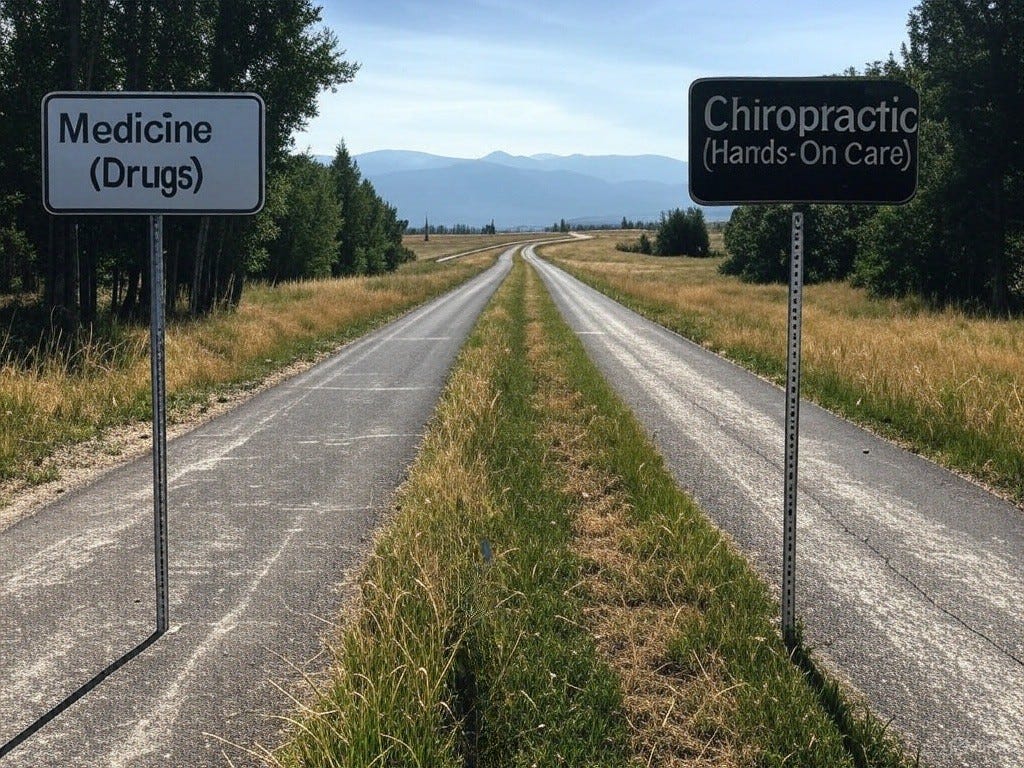
Just when it seemed HB 500 was defeated, the bill granting prescriptive authority to chiropractors has been revived through a procedural “reconsideration” maneuver. The fight in Montana is far from over, but this time, the opposition is even stronger.
Conservative chiropractors, state chiropractic associations, private foundations, and individual practitioners nationwide have doubled down on efforts to stop the bill, and now two prominent chiropractic college presidentshave made it crystal clear—chiropractic does not include drugs.
Adding even more weight to the opposition, the Montana Medical Association (MMA) has spoken out against the bill. Dr. Ernest J. Gray, MD, President of the MMA, issued a powerful statement:
“As President of the Montana Medical Association, I share that the MMA and I, personally, oppose the granting of prescriptive authority for the Chiropractic profession. The Art and Science of the Chiropractor is the manipulation and rebalancing of the spinal and skeletal system to achieve whole body health. It has never advocated for the use of pharmaceutical agents as a part of their treatment modalities.”
With both the medical and chiropractic professions rejecting the push to turn chiropractors into drug prescribers, the Montana legislature must take notice.
Palmer College: Chiropractic Was Never Meant to Include Drugs
Dr. Dennis Marchiori, DC, PhD, Chancellor of Palmer College of Chiropractic, the oldest and largest chiropractic college in the world, strongly denounced HB 500. In a statement that highlights Palmer’s leadership in shaping the profession, Marchiori reaffirmed chiropractic’s drug-free foundation and identity:
“As Chancellor and CEO of the oldest and largest college of chiropractic in the world, I am writing to express opposition to the expansion of prescription pharmaceuticals into the clinical scope of chiropractic practice. The Chiropractic profession was founded in 1895 in Davenport, Iowa, at Palmer College of Chiropractic.
Throughout Palmer’s long history, we have worked closely with our graduates and various regulatory bodies to create the very best professional circumstances to ensure exemplary care for patients everywhere.
Palmer spent years researching and carefully crafting an identity for chiropractors as the primary care professionals for spinal health and well-being. Chiropractic focuses on neurological and musculoskeletal integrity and aims to favorably impact human health, relieve pain and infirmity, enhance performance, and improve quality of life—without drugs or surgery.
**To achieve our shared goal of enhancing public health by addressing the global burden of spinal-related disease, we need an identity, a focused scope of care, that is evidence-based, clearly understood, and embraced by healthcare consumers. Chiropractic does exactly that—without drugs or surgery.”
Marchiori’s statement makes it clear: chiropractic’s credibility and effectiveness rely on its unique identity, not on imitating the medical profession.
Sherman College: Chiropractors Have No Business Prescribing Drugs
Dr. Jack M. Bourla, DC, ACP, President of Sherman College of Chiropractic, echoed these concerns in an equally forceful rejection of HB 500. Bourla condemned the idea that chiropractors should take a "weekend-style course" to gain prescribing rights, emphasizing that this proposal is a serious risk to public safety:
"Prescribing medications has never been within the scope of chiropractic care. It is, and should continue to be, outside of our scope of practice. Chiropractors are not trained to prescribe medications, and our students are in no way prepared to be prescribers of medication.
MDs and other medical specialists spend hundreds of hours in pharmacology education and clinical experience. They understand the desired effects, side effects, contraindications, possible addiction risks, and safety issues related to prescription medications.
A ‘weekend-style course’ ultimately allowing chiropractors to prescribe drugs is risky at best. Chiropractors are highly trained—nearly four years—at analyzing the spinal structure and its effects on the nervous system and vertebral misalignment. That is our scope of practice.
We are not qualified, nor should we be trained in an area that is already addressed by well-trained professionals. Sherman College of Chiropractic vehemently opposes this bill and hopes lawmakers will see the risk and danger in this matter.”
Bourla highlights the fundamental absurdity of HB 500—why should chiropractors, whose expertise is in spinal health, step into an entirely different field that requires years of intensive training?
The Real Agenda Behind HB 500
Montana’s HB 500 is not about patient care—it is about redefining chiropractic to serve the interests of a select few who want to reshape the profession into a branch of medicine.
The Montana Chiropractic Association (MCA), American Chiropractic Association (ACA), and a small group of regulatory board members have been quietly pushing for drug rights, despite:
Chiropractic’s historical foundation as a drug-free profession
Widespread opposition from within the profession, including two major chiropractic colleges
The Montana Medical Association’s rejection of the proposal
If HB 500 passes, Montana will become the testing ground for further expansion of chiropractic scope across the country. Other states will follow. The profession will be transformed, not by necessity, but by political maneuvering and self-interest.
The Chiropractic Profession Must Stand Firm
With HB 500 back in play, the time to act is now. Chiropractors, students, patients, and legislators must reject this blatant attempt to medicalize chiropractic and preserve the profession’s distinct, drug-free identity.
The message from Palmer College, Sherman College, and the Montana Medical Association is clear—Chiropractic does not and should not include drugs.
Montana legislators must vote NO on HB 500. The future of chiropractic depends on it.
