New Warnings on Antibiotics: The Overprescription Crisis and RFK Jr.'s Potential Impact
Originally published: 2025-01-26
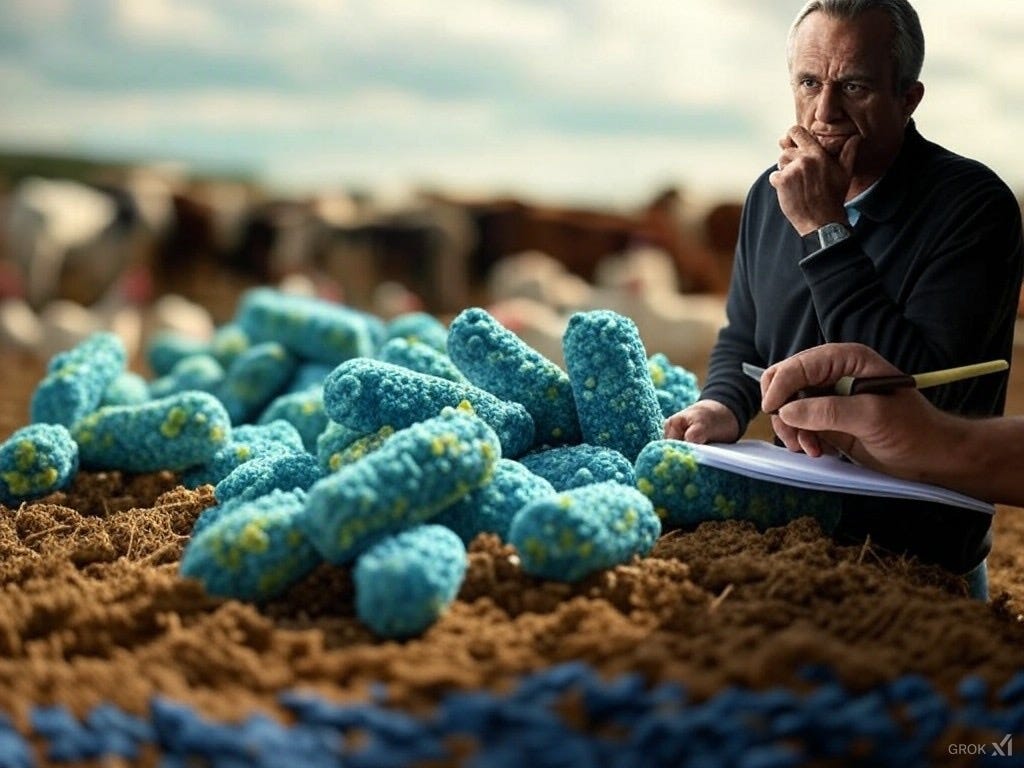
In recent times, the medical community has sounded the alarm on the increasing dangers associated with antibiotics, particularly concerning antimicrobial resistance (AMR). While the World Health Organization (WHO) and other health bodies have been urging for caution, there's a growing skepticism about whether these warnings are merely scratching the surface of a much deeper issue—overprescription and misuse in both human medicine and agriculture.
The Overprescription Dilemma
The narrative of AMR is often centered around the need for new drugs, but there's substantial evidence suggesting that the real culprits might be our current practices. Antibiotics are prescribed like candy in some parts of the world, not just for bacterial infections but for viral ones where they're ineffective. This misuse has been documented across numerous studies, with the United States being no exception. According to some sources, up to 80% of antibiotics sold in the U.S. are used in agriculture to compensate for the health risks posed by industrial farming conditions. This broad application in livestock for growth promotion or disease prevention inadvertently selects for resistant bacteria, which can then transfer to humans through the food chain.
Agriculture's Role in the Crisis
The connection between agricultural antibiotic use and human health is a contentious one. Critics argue that the scale of this practice, especially in countries like the U.S., where approximately 73% of all antibiotics worldwide are used in agriculture, could be dramatically underreported in its impact on AMR. The routine use of antibiotics in animal feed, not for treating sick animals but for preventing diseases in crowded, unhygienic conditions, might be creating a reservoir of resistant bacteria that eventually finds its way into human populations.
RFK Jr.'s Stance and Potential Policy Shifts
Enter Robert F. Kennedy Jr., nominated by Donald Trump to lead the Department of Health and Human Services (HHS). Known for his environmental advocacy and skepticism towards certain medical practices, RFK Jr. has expressed concerns about the corporate capture of health agencies and the influence of big agriculture on food regulation. While his views on vaccines have drawn criticism, his critique of the food industry, including the use of antibiotics, aligns with a growing public sentiment that seeks reform in agricultural practices.
If confirmed, one might speculate that RFK Jr. could push for stricter regulations on antibiotic use in farming. His "Make America Healthy Again" campaign suggests a focus on reducing the pollution of our food supply with chemicals and additives, which could extend to antibiotics. This might involve:
- Limiting Routine Antibiotic Use: Implementing policies that restrict the use of antibiotics for growth promotion or preventive measures in healthy animals.
- Enhancing Surveillance: Strengthening oversight on antibiotic sales and usage, not just in human medicine but crucially in agriculture, to better track resistance patterns.
- Promoting Alternatives: Encouraging research into and adoption of alternatives to antibiotics in farming, such as better animal welfare standards that reduce the need for antibiotics.
However, skepticism remains. Critics might argue that these changes, while beneficial, face significant hurdles due to entrenched industry interests and the economic implications of altering current farming practices. Moreover, RFK Jr.'s history of controversial stances might either galvanize or polarize the necessary support for such reforms.
Conclusion
The warnings about antibiotics are crucial, but they must be viewed through the lens of systemic overuse and misuse. While the medical community works on new solutions to combat AMR, a significant part of the battle might be fought in the fields rather than in the labs. If RFK Jr. can navigate the political and scientific landscapes, his tenure at HHS could mark a pivotal moment in addressing one of the most pressing public health issues of our time. However, this is all conjecture without clear policy proposals, and the effectiveness of any potential changes remains to be seen.
As we watch this unfold, one thing is clear: the conversation around antibiotics must evolve from simply warning about resistance to fundamentally rethinking how we use these precious resources in both medicine and agriculture.
