Number 10: Florida Approves Dry Needling Amid Controversy and Allegations of Corruption
Originally published: 2025-01-02
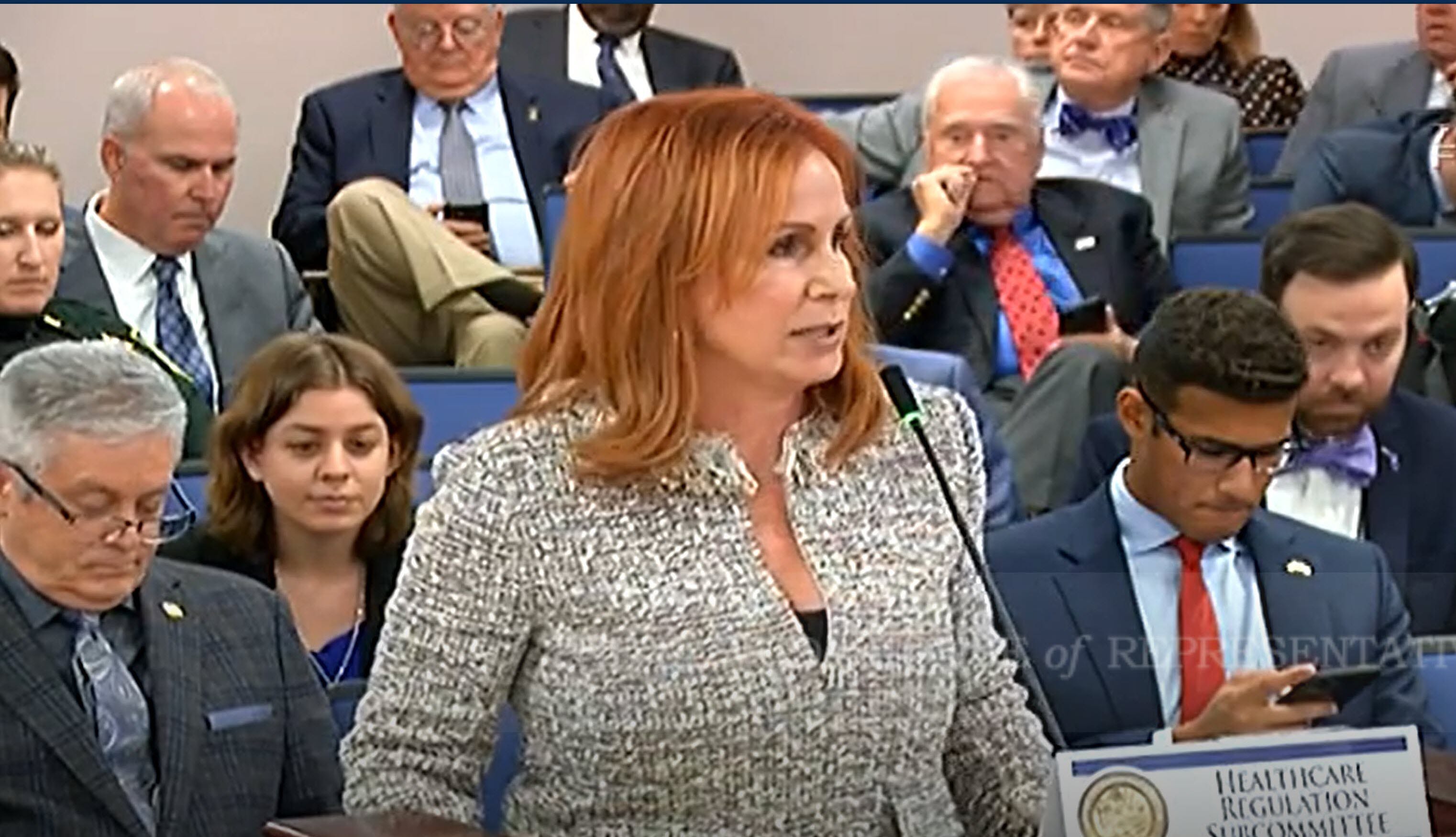
The Florida Board of Chiropractic Medicine’s (FBCM) approval of dry needling as within the scope of chiropractic practice in 2024 represents far more than a simple decision about technique. In fact, no matter where you stand on the use of the modality by chiropractors, how it became within the scope should concern every single chiropractor. This controversial ruling, secured after months of debate, reveals a web of influence, backroom dealings, and entrenched monopolies orchestrated by key players in the chiropractic profession. The Chiropractic Chronicle names this case #9 in its series of Top Ten Stories of 2024, highlighting the systemic issues threatening the profession's integrity.
A Decision Marred by Manipulation
The saga began in August 2023 when the Florida Chiropractic Association (FCA) petitioned the FBCM for a Declaratory Ruling on dry needling, seeking to include it within the chiropractic scope of practice. Despite statutory language clearly defining chiropractic as “non-combative” and prohibiting surgical or invasive procedures, the FCA pushed its agenda, leveraging its influence over the board.
Initially, the FBCM voted 4-2 against the request in November 2023. However, attorney Kimberly Driggers, representing the FCA and a board member of the National Board of Chiropractic Examiners (NBCE), abruptly withdrew the petition before the decision could be formally finalized. Her reasoning, recorded in audio transcripts, was to avoid complicating legislative efforts—a move that raised questions about transparency and the true intent of the lobbying efforts.
Altered Records and Procedural Irregularities
One of the most egregious aspects of the controversy was the alteration of official meeting minutes. The audio transcript of the November meeting revealed clear discussions about the board’s rejection of the declaratory statement. However, the written minutes omitted key details, including the reasoning behind the board’s vote and critical discussions about safety concerns. Instead, they only referenced Driggers’ withdrawal of the petition.
This discrepancy calls into question the integrity of the FBCM’s documentation process and raises the specter of intentional manipulation. The lack of response from the FBCM regarding its parliamentary procedures only deepened suspicions.
Incestuous Relationships Within the Cartel
The controversy exposed the overlapping roles and relationships that influence decision-making within the profession. Key figures like Michael Roberts, DC—an FBCM member, FCA Past President, and an active practitioner of dry needling—further blurred the lines between regulatory oversight and personal interest. Roberts continued to advertise dry needling services on his practice’s website even after the initial vote against the procedure.
The FCA’s powerful presence on the board, with a majority of its members being FCA dues-paying members, created a clear conflict of interest. Driggers’ dual roles as FCA legal counsel and NBCE board member further illustrate the interconnectedness of the chiropractic cartel. Her involvement highlights the far-reaching influence of organizations like the FCA, NBCE, and the Federation of Chiropractic Licensing Boards (FCLB) in shaping policy, often at odds with traditional chiropractic principles.
Scope Expansion Beyond Dry Needling
The approval of dry needling is just one piece of a broader agenda to expand the chiropractic scope of practice in Florida. Board member Anthony Oliverio, DC, has openly discussed plans to include injectables, muscle relaxers, steroid packs, and trigger point injections—moves that fundamentally alter chiropractic’s identity as a non-invasive profession.
The FBCM’s alignment with these goals reflects a shift away from chiropractic’s traditional focus on vertebral subluxation and neurology, instead embracing a medicalized model that threatens to erode the profession’s uniqueness.
State Oversight Fails Miserably
The state’s failure to provide meaningful oversight allowed the cartel’s influence to thrive. Despite warnings from FBCM Executive Director Dale Mooney about backchannel communications among board members, no significant action was taken to address these procedural violations. The lack of transparency and accountability in the board’s decision-making process underscores a systemic failure to protect the integrity of chiropractic regulation in Florida.
What This Means for the Profession
The approval of dry needling in Florida serves as a cautionary tale about the dangers of monopolistic control and unchecked power within the chiropractic profession. It demonstrates how entrenched interests can manipulate regulatory frameworks to achieve their objectives, often at the expense of transparency, accountability, and the profession’s core principles.
As chiropractors and stakeholders grapple with the implications of this decision, the broader question remains: How can the profession safeguard its identity and ensure ethical governance in the face of such pervasive influence?
Conclusion
The Florida dry needling controversy is not just a local issue but a microcosm of the challenges facing the chiropractic profession nationwide. The collusion between regulatory bodies, trade associations, and influential individuals highlights the urgent need for reform. Without greater oversight and accountability, the profession risks losing its distinctiveness and credibility, paving the way for further encroachments by those who seek to reshape it in their own image.
