Number 4: Chiropractic Care and Immune Function: Groundbreaking Research Debunks Pandemic Myths
Originally published: 2025-01-03
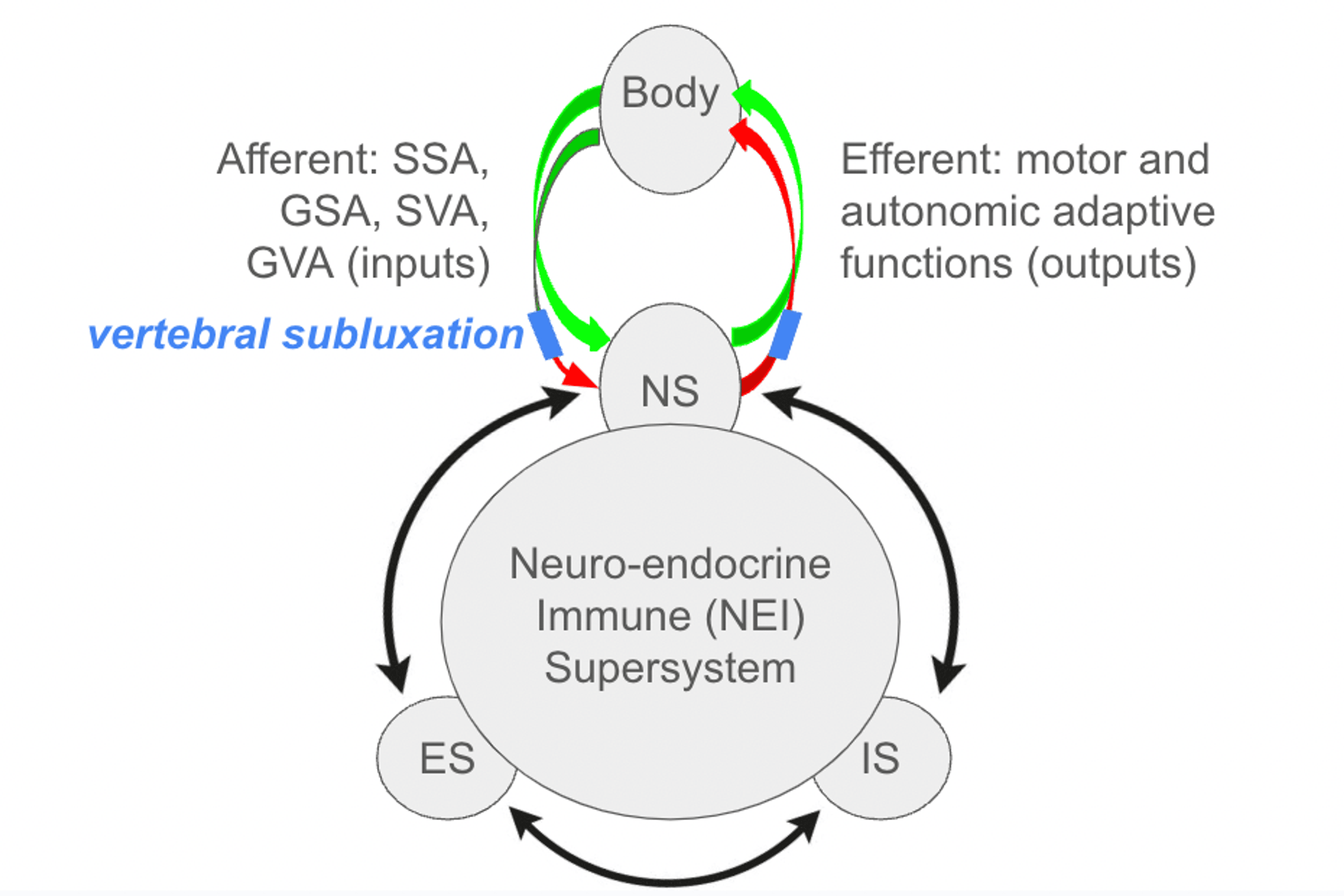
The chiropractic profession marked a defining achievement in 2024 with the publication of "Vertebral Subluxation and Systems Biology: An Integrative Review Exploring the Salutogenic Influence of Chiropractic Care on the Neuroendocrine-Immune System." Ranked as the #4 chiropractic news story of the year, this research represents a pivotal step forward in understanding the role of chiropractic care in promoting systemic health and adaptability. It also decisively addresses the false narrative that chiropractic care does not influence immune function, a myth perpetuated during the pandemic.
CLICK HERE for a copy of the paper
The Journey Behind the Research
This landmark paper is the culmination of years of effort by the Foundation for Vertebral Subluxation (FVS). As part of a multi-pronged initiative, the FVS launched an integrative review of chiropractic care and immunity in 2021, spearheaded by Amy Haas, DC, PhD, and supported by a dedicated team of researchers. This project built on previous foundational work, including scoping reviews, feasibility studies, and the development of best practice guidelines and policy recommendations.
The initiative was born out of a need to address fundamental questions about the role of chiropractic care in immune function, particularly during a time when critics attempted to undermine the profession. The project examined the neurophysiological impacts of chiropractic adjustments, integrating findings across multiple disciplines to map their effects on interconnected systems like the nervous, endocrine, and immune systems.
Dr. Haas’s extensive academic background in biochemistry and her experience in clinical chiropractic practice made her ideally suited to lead this effort. According to Haas, the team conducted a broad-category search of the literature, linking the neurophysiological effects of chiropractic care to its potential systemic impacts using a dynamic systems model.
Refuting Pandemic-Era Attacks
The urgency of this research was amplified by the events of the pandemic. Organizations like the World Federation of Chiropractic (WFC), the American Chiropractic Association (ACA), and Parker University, among others, claimed that chiropractic care had no credible scientific basis for influencing immune function and pressured chiropractors to cease educating the public about the connections between chiropractic, vertebral subluxation, and immunity.
These attacks were met with strong opposition from within the profession. Dozens of state, national, and international organizations rallied to reject these false claims, defending chiropractic care as an evidence-informed practice with a legitimate role in systemic health.
The new integrative review decisively counters these claims. By synthesizing decades of research, it demonstrates the biological plausibility of chiropractic care’s influence on the neuroendocrine-immune (NEI) system and highlights its potential to regulate stress, support immune responses, and promote physiological balance.
Why This Research Matters
This study represents a major victory for chiropractic practitioners and patients alike, for several key reasons:
1. Advancing Evidence-Informed Practice: The research provides a robust scientific foundation for chiropractic care, supporting its role in fostering health and adaptability.
2. Defending Chiropractic’s Scope: It challenges the narrative that chiropractic care is limited to musculoskeletal conditions, reinforcing its holistic impact on systemic health.
3. Countering Misinformation: The study directly refutes pandemic-era claims that dismissed chiropractic care’s influence on immunity, reaffirming its relevance in modern health care.
A Call to Action
The findings of this research open new doors for interdisciplinary collaboration and future studies. The FVS aims to build on this momentum by further exploring the neural pathways and networks influenced by chiropractic care, with the ultimate goal of advancing patient care and professional autonomy.
Looking Forward
As one of the top chiropractic stories of 2024, this research has far-reaching implications. It provides evidence-based validation of chiropractic care’s impact on systemic health and adaptability, empowering chiropractors to educate patients, policymakers, and health professionals. Moreover, it underscores the importance of defending chiropractic’s role in holistic health care against ongoing attempts to marginalize the profession.
In an era when misinformation can shape policy and public perception, this study serves as a beacon of scientific integrity, reaffirming the chiropractic profession’s commitment to advancing health and well-being.
