Number 5: NBCE Under Fire: Financial Practices, Lack of Outcomes Data & Part IV Scandal Erode Confidence
Originally published: 2025-01-02
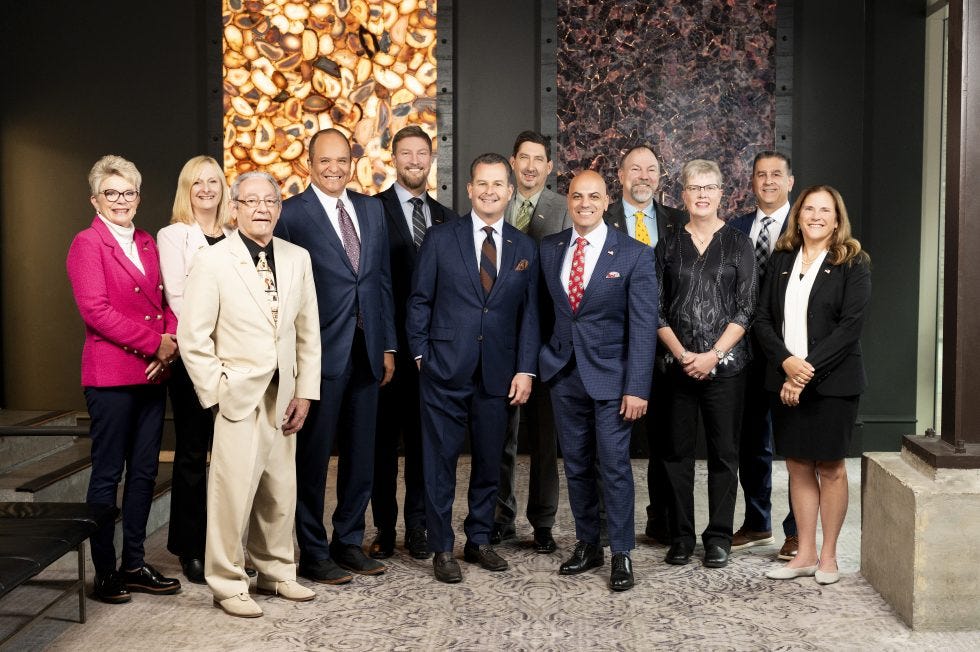
The National Board of Chiropractic Examiners (NBCE) came under intense scrutiny again in 2024, not only for its refusal to provide requested outcomes data but also for its staggering financial practices. Ranked as the #5 chiropractic news story of the year, the NBCE’s actions—and inactions—have sparked widespread concern about transparency, accountability, and the financial ethics of an organization that wields monopolistic control over chiropractic testing and licensure.
The Financial Web of the NBCE
Recent financial analyses have revealed that the “Non-Profit” NBCE controls $41 million in assets, with over $2 million paid to its directors and administrators in 2022. These figures include significant salaries and compensation packages, raising questions about the alignment of the organization’s financial priorities with its stated mission of enhancing competency and public safety in the chiropractic profession.
Among the revelations:
The NBCE board members, who are supposed to serve as "volunteers," received a combined $380,119 in 2022, with the highest-paid board member earning $53,348.
The NBCE’s executive salaries totaled $1,775,632, with Chief Executive Officer Dr. Norman Ouzts earning $358,150, equating to $172.19 per hour based on a 40-hour workweek.
Moreover, the NBCE has funneled millions of dollars—derived largely from student loan debt and state-mandated exam fees—into grants and partnerships with other organizations:
$3.6 million over five years went to the Federation of Chiropractic Licensing Boards (FCLB), including free rent and utilities.
$645,000 over three years was provided to the Foundation for Chiropractic Progress for "career development."
A $1 million grant was awarded to the RAND Corporation for "research" in 2019.
Additional funds were distributed to entities such as the Association of Chiropractic Colleges, Congress of Chiropractic State Associations, and private corporations, totaling nearly $6 million in redistributions.
These financial practices paint a troubling picture of a non-profit organization that appears to prioritize lucrative relationships and high compensation over transparency and meaningful reform.
Stakeholder Demand for Accountability
The Foundation for Vertebral Subluxation (FVS) and a coalition of organizations requested critical outcomes data from the NBCE. This data, they argued, was essential for evaluating the impact of NBCE exams on chiropractic education, professional competency, and public safety. The NBCE’s response—three months later—failed to provide the requested information, directing stakeholders to unrelated sources or claiming that the data did not exist.
The NBCE’s refusal to substantiate its claims of safeguarding public safety through its exams highlights a significant gap in accountability. Critics argue that this lack of evidence undermines the legitimacy of NBCE’s monopoly over chiropractic testing and raises questions about its influence on the profession’s future.
NBCE’s Land Grab: Centralizing Part IV Exam in Greeley Sparks Outrage
In addition to financial controversies and the lack of outcomes data, the NBCE’s decision to centralize the administration of the Part IV practical exam at its headquarters in Greeley, Colorado, has ignited backlash across the chiropractic profession. This move, widely criticized as a "land grab for control," further cements the NBCE's monopolistic hold on chiropractic licensing while creating logistical and financial burdens for students and chiropractic colleges.
Historically, the Part IV exam—which is supposed to evaluate clinical competency—has been administered at various chiropractic colleges across the United States, allowing students to complete the exam in a familiar academic environment and reducing travel costs. This exam is in addition to the competency assessments that already take place at chiropractic colleges making the Part IV redundant, unnecessary and a financial burden to students and school. The centralization to Greeley changes this dynamic entirely, requiring students from all over the world to travel to a single location if they want to get licensed in the United States ensuring NBCE gets its cut of the student loan dollar.
Impacts of Centralization
1. Increased Financial Burden on Students:
The centralization requires students to incur additional expenses for travel, lodging, and time away from their academic or professional responsibilities. This change disproportionately affects students from less affluent backgrounds, raising questions about equity and accessibility in the chiropractic profession.
2. Strain on Chiropractic Colleges:
By removing the Part IV exam from campuses, the NBCE disrupts longstanding partnerships with chiropractic colleges and sidelines institutions that have historically hosted and supported the exam. This move marginalizes the colleges’ role in evaluating competency and undermines their ability to advocate for their students.
3. Expansion of NBCE’s Control:
Centralizing the Part IV exam consolidates the NBCE’s power and eliminates external oversight, granting the organization unparalleled control over one of the most critical components of chiropractic licensure. Critics argue that this is yet another example of the NBCE’s overreach, driven by a desire to solidify its monopoly rather than improve the testing process.
Stakeholder Opposition
The decision has been met with widespread opposition from stakeholders across the chiropractic profession. Organizations advocating for reform, including the Foundation for Vertebral Subluxation and other members of the chiropractic community, view this centralization as a direct assault on transparency and the decentralization of power in chiropractic education and regulation.
Many stakeholders see this move as part of a broader pattern of behavior by the NBCE: consolidating authority, controlling key aspects of the profession, and leveraging its monopoly to suppress competition and alternative approaches to chiropractic testing and licensure.
CLICK HERE for more on that story
The Need for Decentralized Solutions
Critics argue that the Part IV exam should go away. The medical and osteopathic professions have already done away with their version of Part IV and leave it to the schools to certify clinical competency. Chiropractic colleges already evaluate clinical competency and certify those competencies prior to graduation. There is simply no need for Part IV.
A Growing Call for Change
The centralization of the Part IV exam in Greeley underscores the NBCE’s determination to consolidate its control over chiropractic testing, even at the expense of students, colleges, and the profession’s broader interests. This controversial move, combined with the NBCE’s financial practices and lack of transparency, has galvanized calls for reform.
Stakeholders are demanding a reevaluation of the NBCE’s role in chiropractic licensure and a shift toward decentralized, collaborative solutions that prioritize the needs of students and the integrity of the profession.
As this issue continues to unfold, it has become a rallying point for those advocating for freedom and fairness in chiropractic education, regulation, and testing. The pushback against the Greeley centralization is yet another indicator that the profession is no longer willing to accept the NBCE’s unchecked authority.
Why This Story Matters
1. Transparency and Financial Ethics:
The NBCE’s financial practices, coupled with its failure to provide data supporting its role in public safety, call into question its commitment to the profession and the public it claims to serve.
2. Impact on Students and Practitioners:
The NBCE’s monopoly forces chiropractic students to pay significant fees for mandatory exams without any alternative. The organization’s lack of outcomes data leaves stakeholders in the dark about whether these exams genuinely reflect competency or improve patient care.
3. Calls for Reform:
4. Misuse of Public Funds:
The reliance on student loan debt and state-mandated exam fees to fund high salaries, grants, and partnerships with related organizations raises serious ethical concerns about the NBCE’s financial stewardship.
A Monopoly Under Fire
As a private corporation, the NBCE enjoys a unique position of power within the chiropractic profession. Its exams are enshrined in state regulations, effectively preventing competition and restraining trade within the field. While the organization touts its commitment to fairness and integrity, its financial practices and lack of transparency tell a different story.
The NBCE’s announcement that it would not raise exam fees in 2024 was framed as an act of generosity. However, critics argue that this is a hollow gesture in light of the organization’s significant financial gains and the burdens placed on students and colleges.
A Call for Change
This controversy highlights the urgent need for reform within the chiropractic profession’s regulatory framework. Stakeholders are calling for:
The removal of monopolistic language from state regulations.
A restructuring of the NBCE to ensure transparency and accountability.
Independent evaluations of the efficacy of NBCE exams in ensuring competency and public safety.
An end to the NBCE’s Part IV
The lack of outcomes data and the revelation of financial practices that disproportionately benefit a small group of individuals underscore the importance of collective action. Chiropractic colleges, practitioners, and students must work together to demand a regulatory system that truly serves the profession’s needs.
Looking Ahead
As this story unfolds, the chiropractic profession faces a pivotal moment. The NBCE’s financial practices and lack of transparency have ignited a movement for change, offering an opportunity to create a fairer, more accountable system. Ranked as the #5 chiropractic news story of 2024, this controversy serves as a wake-up call for the profession to take control of its future and prioritize integrity, transparency, and the well-being of its stakeholders.
