Number 7: Vanterpool v. FCLB: Exposing Chiropractic’s Secretive Power Structures
Originally published: 2025-01-02
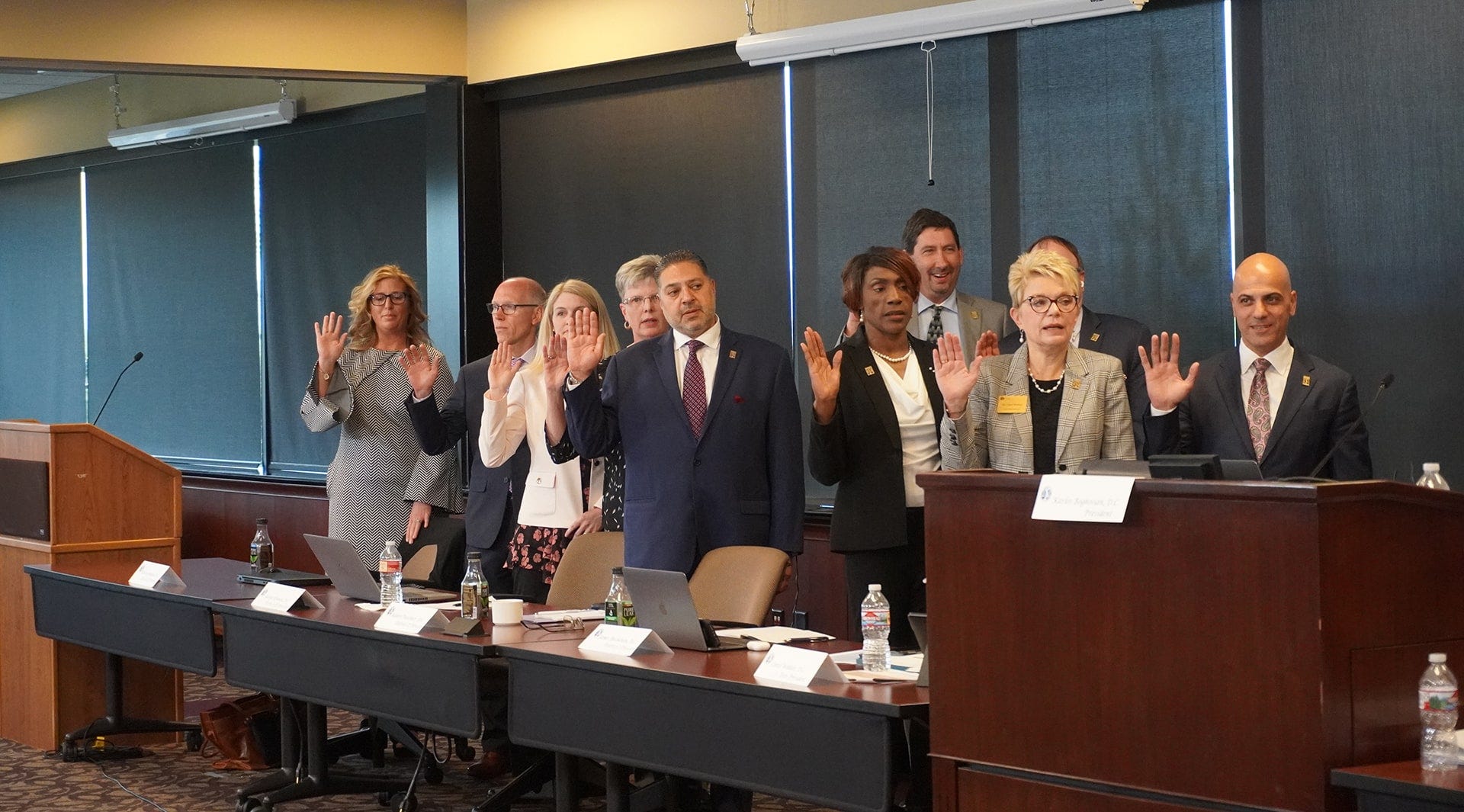
The 2024 verdict in Keita Vanterpool v. Federation of Chiropractic Licensing Boards (FCLB) not only resolved a contentious legal dispute but also exposed the shadowy underpinnings of power and control within the chiropractic profession. Ranked as the #7 chiropractic news story of the year, the case captivated attention for its revelations about secretive governance, questionable legal relationships, and the monopolistic dominance of chiropractic’s regulatory institutions.
At its core, the case revolved around Dr. Keita Vanterpool’s allegations of racial discrimination and her suspension from the FCLB, where she served as Vice President. However, it quickly became a referendum on the entrenched power structures and ethical lapses that have long plagued chiropractic governance.
The Chiropractic Summit: A Secretive Seat of Power
Central to the trial was the Chiropractic Summit, a clandestine gathering of the profession’s most influential organizations. Operating behind closed doors, the Summit functions as a self-selected body controlling major policy decisions affecting chiropractic education, practice, and regulation. Despite its outsized influence, the Summit’s operations remain shrouded in secrecy, with restricted access, no public-facing communication, and opaque decision-making processes.
When Vanterpool sought to gain access to the Summit’s 2021 meeting, she was met with firm resistance. An email exchange between Vanterpool and Summit Administrator Lisa Love-Smith revealed the tightly controlled nature of Summit participation, requiring unanimous approval from member organizations to attend. Vanterpool’s proactive attempts to secure a "seat at the table" alarmed the FCLB leadership, ultimately serving as a key justification for her suspension.
The jury’s deliberations underscored the centrality of the Summit to chiropractic governance. Jurors repeatedly questioned witnesses about the Summit’s purpose, operations, and exclusionary practices. This focus highlighted growing concerns within the profession about the Summit’s lack of transparency and accountability, as well as its role in perpetuating monopolistic control.
The FCLB, NBCE, and State Boards: A Tangled Web of Conflicts
The trial also exposed the deep entanglement between the FCLB, the National Board of Chiropractic Examiners (NBCE), and state chiropractic boards. These entities, often staffed by the same individuals, form a monopolistic framework that wields immense control over chiropractic licensing and education. The flow of federally backed student loan money through these organizations further underscores their interdependence and raises questions about conflicts of interest.
Testimony and discovery documents revealed the ways in which these organizations collaborate to maintain their dominance:
Shared Leadership: Key figures, such as former FCLB Presidents Drs. Carol Winkler and Karlos Boghosian, simultaneously held positions of influence within the NBCE, blurring the lines between the two entities.
Policy Coordination: Policies developed by the FCLB and NBCE frequently trickle down to state boards, effectively aligning the entire regulatory framework with the goals of these private corporations.
Financial Interdependence: Federally backed student loan funds are funneled through the NBCE to the FCLB, creating a system of mutual financial reliance that further consolidates their control.
Vanterpool’s lawsuit highlighted these conflicts, illustrating how her suspension was as much about protecting this power structure as it was about internal governance.
The Jury’s Verdict and Broader Implications
The jury ultimately ruled in favor of the FCLB, finding no contractual relationship between Vanterpool and the organization and rejecting her claims of intentional deprivation of rights. While this outcome closed the legal chapter, it left significant questions about the ethical and legal dynamics of chiropractic governance unresolved.
Key takeaways from the case include:
Secrecy Breeds Distrust: The Summit’s exclusive practices and lack of transparency were a focal point of juror questions, highlighting the profession’s growing discomfort with such secretive power structures.
Conflict of Interest Concerns: The overlapping roles of individuals within the FCLB, NBCE, and state boards underscore the need for clearer boundaries and governance reforms.
Diversity and Representation: Vanterpool’s replacement by a white male board member, coupled with testimonies about racial disparities in leadership, spotlighted ongoing issues of equity within chiropractic governance.
Vanterpool’s Fight: A Symbol of Change
Dr. Vanterpool’s determination to challenge the status quo—despite the risks—has positioned her as a symbol of resistance against the entrenched power dynamics within chiropractic. Her case has galvanized calls for greater transparency, diversity, and accountability within the profession.
Over 50 chiropractic organizations, trade associations, and educational institutions have since signed onto resolutions demanding freedom in chiropractic education, testing, licensing, and regulation. These resolutions seek to dismantle the monopolistic framework that has long stifled competition and innovation within the field.
CLICK HERE for more on that story
The Road Ahead
The Vanterpool v. FCLB case serves as a pivotal moment in chiropractic history. It exposed the secretive nature of the Chiropractic Summit, the tangled relationships between key regulatory organizations, and the barriers to equity and diversity within the profession. While the verdict may have favored the FCLB, the broader implications of the trial have ignited a movement for reform.
As the chiropractic community reflects on this landmark case, one thing is clear: the calls for accountability and inclusivity are growing louder. The profession now faces a choice—cling to its insular power structures or embrace a more transparent, equitable future. How it responds will shape the trajectory of chiropractic for years to come.
