On the Rise: What Chiropractors Must Know About Cervical Artery Dissection
Originally published: 2025-06-07
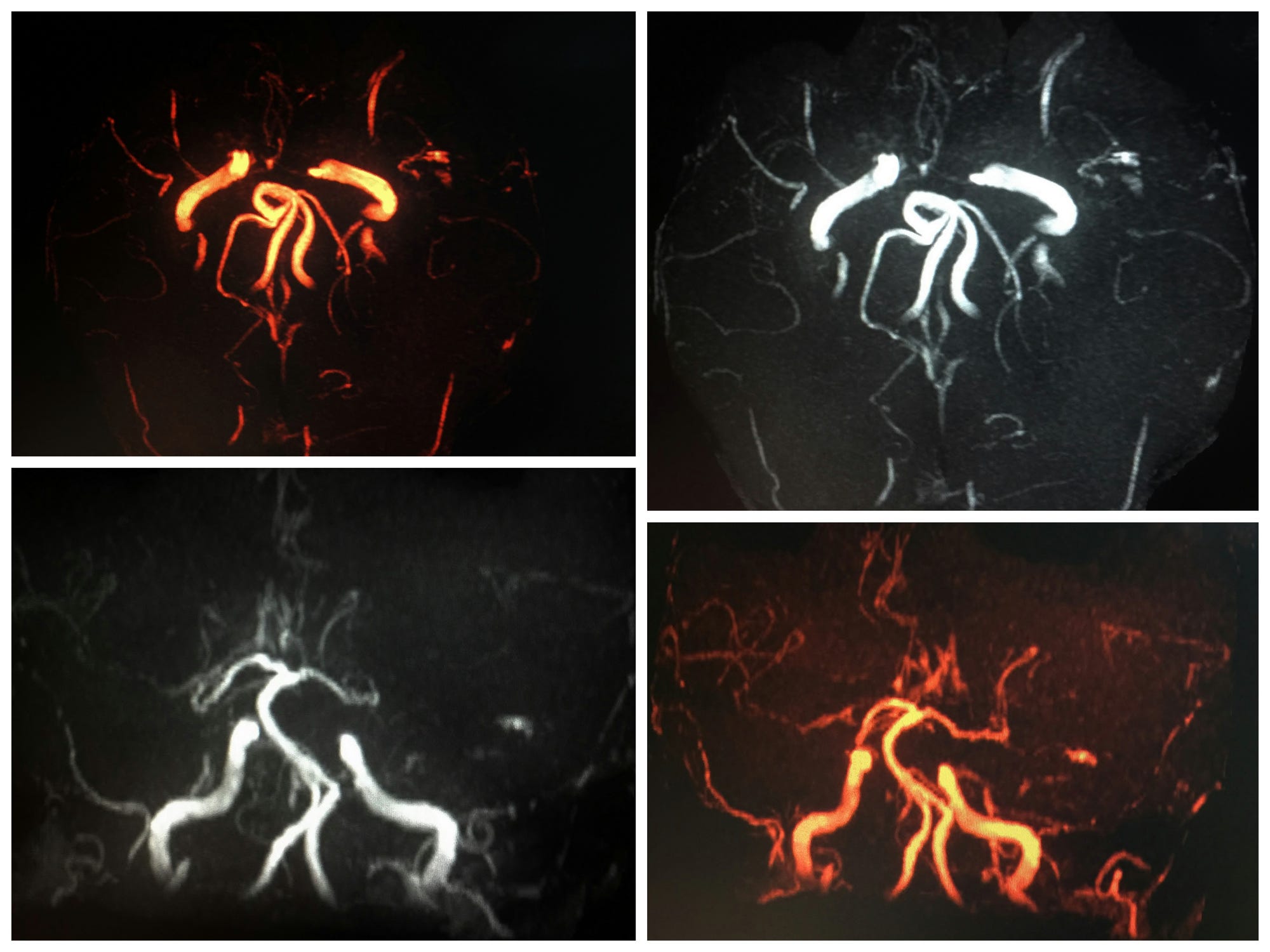
Two major studies published in Neurology and featured in the May 2, 2025 issue of JAMA confirm what frontline healthcare providers—including chiropractors—must now confront: cervical artery dissection (CeAD) is rising fast, and with it, the risk of ischemic stroke.
For chiropractors, the message is clear: you must become expert at identifying these silent threats—not only to protect your patients, but also to protect your license.
“Chiropractors aren’t causing dissections. But if you miss one, you’ll be blamed for it and the stroke.”
A 400% Increase in Cervical Artery Dissection Cases
Better Imaging or Bigger Problem?
The first study, published in Neurology and summarized in JAMA, reports a startling rise in CeAD cases in the U.S.—from 11 to 46 per million people between 2005 and 2019. That’s a four-fold increase, with an average annual growth rate of 10%.
The most significant increases occurred among:
Black Americans: 17.9% annual increase
Asian/Pacific Islanders: 14.1%
Hispanics: 13.4%
White Americans: 12.6%
While the rise may partially reflect better diagnostics and more equitable care, experts warn that it may also represent a true increase in incidence—especially given post-COVID vascular concerns.
Since the emergence of SARS-CoV-2, mounting evidence has shown that the spike protein—whether introduced through infection or vaccination—can cause widespread vascular endothelial damage, promote clot formation, and destabilize arterial walls. This damage is particularly relevant in cervical arteries, where even slight disruptions in the vessel lining can lead to dissection.
The post-COVID landscape is now defined by a higher baseline of vascular fragility, making patients more susceptible to events like vertebral artery dissection, even in the absence of trauma. Chiropractors must understand that these physiologic changes are not theoretical—they are playing out in real patient populations, raising the stakes for clinical vigilance during every evaluation.
“Dissections don’t always look like emergencies. That’s what makes them so dangerous.”
Who’s at Risk—and Why It Matters to Chiropractors
The Dissection-Stroke Connection
Cervical artery dissection is a leading cause of ischemic stroke in adults under 55, responsible for up to 25% of cases in this age group. But what chiropractors need to understand is this:
Vertebral artery dissection (VAD) is a strong predictor of stroke within 90 days—even in patients who didn’t initially have stroke symptoms.
The study showed a 77% increased risk of stroke in VAD patients compared to other CeAD types.
This means that even subtle signs of VAD must be taken seriously—not dismissed as muscle tension, stress, or benign cervicogenic symptoms.
The Chiropractor’s Role: Frontline Screening, Not Causation
Failing to Diagnose Is Now the Legal Standard of Care
In today's medicolegal climate, chiropractors are rarely accused of causing dissections through adjustments. The real liability now lies in failing to recognize the warning signs and proceeding with care that delays referral or emergency intervention.
That’s why chiropractors must:
Routinely ask about headache, dizziness, neck pain, and visual changes
Know the risk profiles—especially in patients of color, older adults, and those post-COVID or vaccinated
Use vascular screening tools: bilateral blood pressure, cranial nerve tests, Romberg, and George’s Test
Refer quickly and clearly when red flags appear
“You are the first line of defense. If you miss it, no one else gets the chance to catch it.”
Documentation Is Protection
Don’t Just Do the Right Thing—Write It Down
It’s not enough to perform a competent screening. You must document your findings. Courts and boards don’t rely on your memory—they rely on your notes.
Record every symptom reported, even if minor
Document every neurovascular test performed
Note any differential diagnosis considered (e.g., VAD vs. musculoskeletal)
Detail referral instructions or medical coordination when applicable
Conclusion: You Have a Duty to Recognize, Not Treat
The message from the medical literature is unambiguous: cervical artery dissections are increasing across all demographics. Chiropractors, as portal-of-entry providers, are in a powerful—and risky—position.
You are not expected to treat CeAD. But you are expected to recognize it, refer it, and document your clinical reasoning.
“It’s not about what you adjusted—it’s about what you missed.”
By staying informed, screening every patient thoroughly, and documenting with precision, you’re not only protecting your patients from life-threatening strokes—you’re protecting your practice from life-altering lawsuits.
