Pediatric Concussion, Autonomic Dysregulation, and the Chiropractic Connection
Originally published: 2025-09-02
A New Look at Concussion and the Autonomic Nervous System
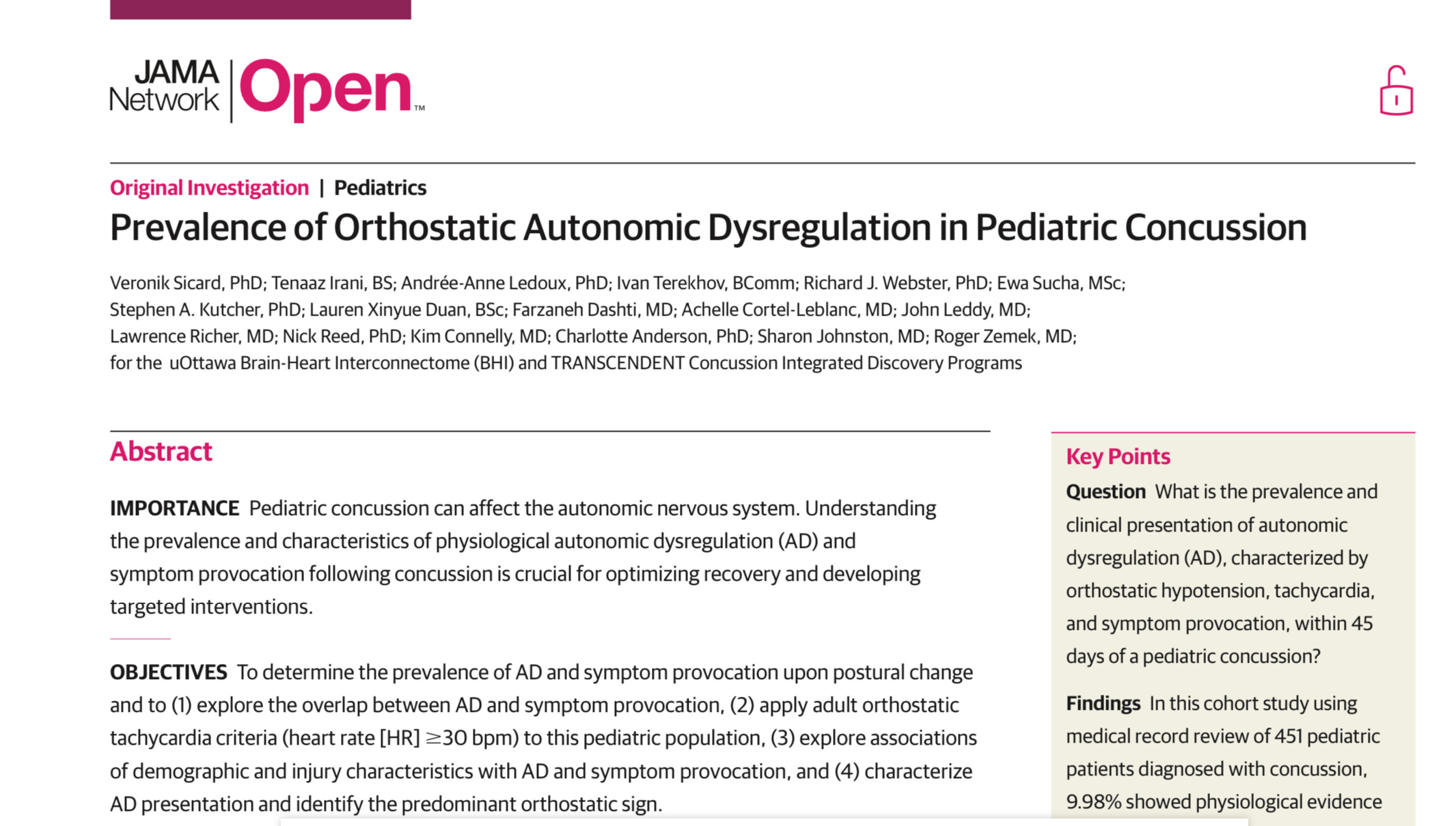
A July 2025 study published in JAMA Network Open examined more than 450 children with concussion and found that 1 in 10 exhibited measurable autonomic dysregulation (AD) and nearly 1 in 4 reported symptom provocation upon standing. Importantly, these two phenomena, objective dysregulation and subjective symptoms, did not always overlap, suggesting separate but related physiological processes.
“This study challenges existing clinical assumptions about pediatric concussion management and reinforces the need for objective physiological testing.”
The findings highlight how concussions affect the brain-heart connection, producing changes in heart rate, blood pressure, and dizziness upon postural change, signs of disrupted autonomic control.
Key Findings from the Study
Autonomic Dysregulation: Nearly 10% of children showed physiological evidence of AD, most often elevated heart rate upon standing.
Symptom Provocation: About 25% reported dizziness, lightheadedness, or headache with posture change, even if they didn’t meet AD criteria.
Minimal Overlap: Only 9% of affected patients had both AD and symptom provocation, suggesting distinct underlying mechanisms.
Clinical Profiles: Children with AD were more likely to have neurodevelopmental conditions, while those with symptom provocation more often had mental health concerns and higher overall concussion symptom burden.
Where Chiropractic Fits In
Chiropractic has long emphasized the role of the vertebral subluxation in disturbing neurological function, including autonomic regulation. Concussion, by its nature, can affect both the brain and cervical spine. Misalignment and altered biomechanics in the upper cervical region are known to influence:
Brainstem function
Cerebrospinal fluid flow
Autonomic balance (sympathetic/parasympathetic regulation)
When vertebral subluxations are present, they may compound autonomic dysregulation already triggered by brain injury. This can manifest as dizziness, headaches, lightheadedness, or abnormal cardiovascular responses, exactly the symptoms identified in this study.
“By addressing vertebral subluxations, chiropractors aim to remove interference in the nervous system, supporting the body’s natural ability to regain balance and adapt following injury.”
Clinical Implications for Chiropractors
This research supports a dual-assessment model—objective measures of autonomic function alongside symptom reports. Chiropractors can play a unique role by:
Evaluating spinal and neurological function to identify vertebral subluxations that may perpetuate dysregulation.
Applying specific chiropractic adjustments to restore proper alignment and reduce stress on the nervous system.
Collaborating with multidisciplinary teams to address vestibular, psychological, and cardiovascular dimensions of concussion recovery.
Conclusion
The JAMA study reveals that concussion-related autonomic changes are more common than many realize, and they are not always detectable by symptoms alone. For chiropractors, this reinforces the importance of addressing vertebral subluxation as part of a comprehensive approach to concussion management.
By restoring balance to the spine and nervous system, chiropractic care may help children and adolescents optimize recovery, reduce lingering symptoms, and build resilience in the face of neurophysiological stress.
