RFK Jr.'s Hep B Vaccine Overhaul: A Win for Health Freedom and MAHA
Originally published: 2025-09-25
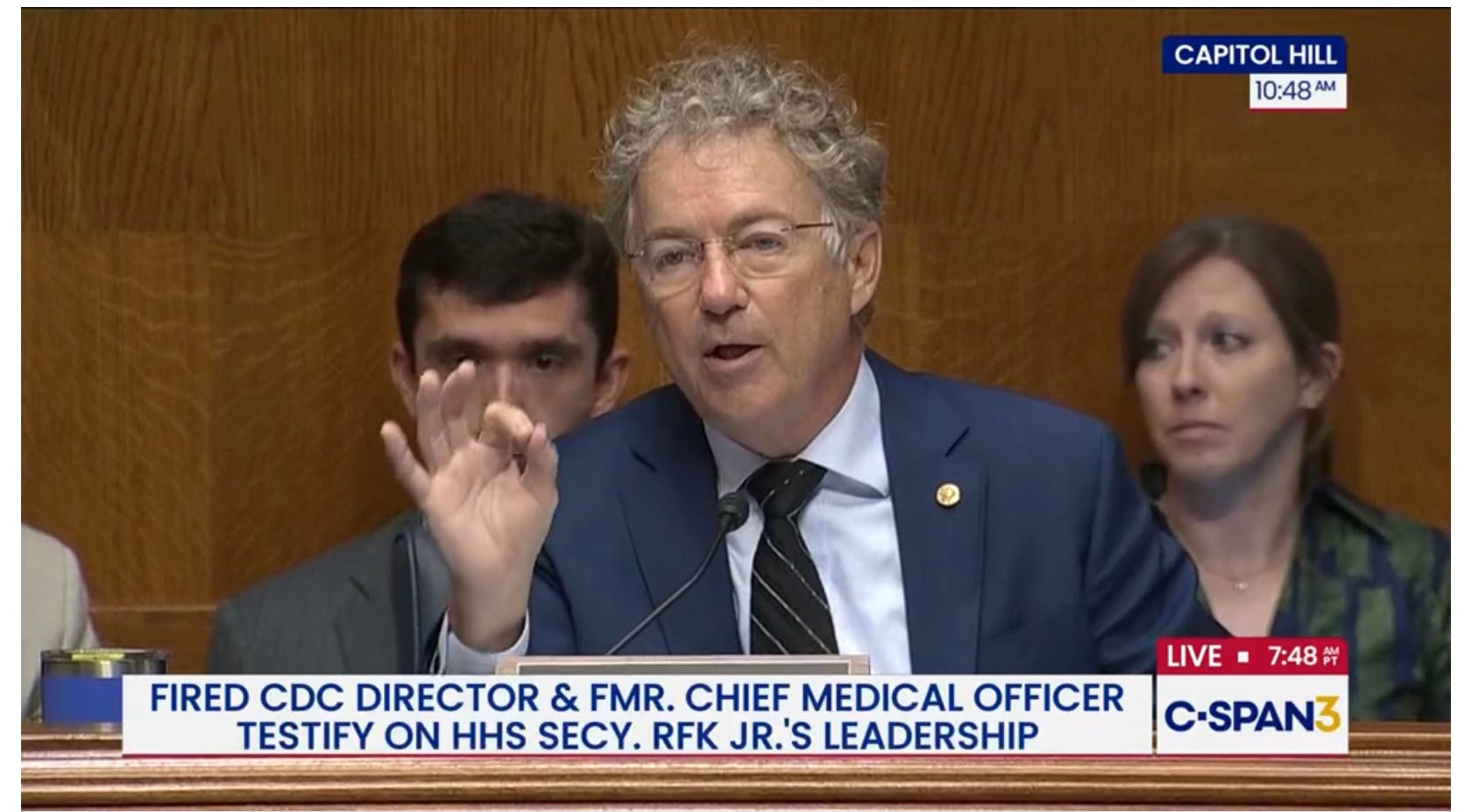
As the Senate grills fired CDC Director Susan Monarez today, September 17, 2025, the spotlight is on long-overdue reforms to America's bloated childhood vaccine schedule. Tomorrow's ACIP meeting, revamped by HHS Secretary Robert F. Kennedy Jr. with fresh voices prioritizing safety and choice, could delay the hepatitis B (Hep B) birth dose to age 4, shifting from blanket mandates to targeted protection for truly at-risk families. This aligns with RFK Jr.'s MAHA agenda, empowering parents and cutting unnecessary interventions.
"He said he spoke to President Trump and that changes are coming to the childhood vaccine schedule in September." Fired CDC Director Susan Monarez, Senate testimony, September 17, 2025
The data reveals overreach in the current system, where universal newborn shots expose millions to interventions they may not need. Here's a clear-eyed look at Hep B realities, the inefficiencies of one-size-fits-all policies, and how RFK's targeted vision saves lives, and billions, while restoring trust.
Unmasking Hep B Risks in US Newborns
Hepatitis B (HBV) transmission to newborns mainly occurs from infected mothers during birth, leading to chronic issues in about 90% of cases if untreated. In the US, with maternal screening in place, actual perinatal infections are low: 800-1,000 annually, or 22-28 per 100,000 live births. Newborn prevalence is under 0.03%, and chronic rates in under-5s sit below 0.1%.
But these numbers highlight inefficiency: Only 0.5-0.9% of pregnancies involve infected mothers, affecting over 25,000 births yearly. Without targeted focus, resources are wasted on the vast majority who face minimal risk.
"The risk of hepatitis B infection in infants is real and cannot be ignored."
— Sen. Bill Cassidy (R-La.), Senate hearing, September 17, 2025
The Overreach of Universal Vaccination
The Hep B birth dose, pushed universally since 1991, reaches 79.5% of newborns based on recent data. While it aims for broad coverage, this approach burdens families with unnecessary shots, ignoring individual risks and parental input.
Confirmed cases are rare (7-13 yearly), but the policy's blanket nature has fueled distrust. States like Colorado are already adapting, signaling a shift toward smarter, voluntary strategies under MAHA.
The Bloated Cost of Blanket Policies
Universal newborn vaccination drains resources: In 2023, with 3.6 million births and 79.5% coverage, about 2.86 million doses cost society $82 million annually, with federal spending at $19-20 million via programs like Vaccines for Children.
These figures expose waste in a system that prioritizes volume over precision, echoing RFK Jr.'s call to trim fat from HHS budgets.
"These changes to vaccine recommendations will be made transparently and based on evidence."
— HHS Spokesperson Andrew Nixon, September 14, 2025
Targeted Approach: Smarter, Cheaper, Safer
Limiting the birth dose to infants of infected mothers (~18,000 yearly) would slash spending to $427,000, a 99.5% reduction. This MAHA-aligned strategy focuses resources where needed, avoiding broad exposure while still protecting vulnerable kids.
Pre-1991 targeted efforts had gaps, but modern tech and screening can fix that, proving RFK's vision enhances efficiency without sacrificing safety.
The 2025 Breakthrough: Hearings and RFK's Reforms
Today's hearings reveal cracks in the old guard, with Monarez's testimony underscoring resistance to change. RFK Jr. has rebuilt ACIP with independent thinkers, axed wasteful mRNA funding, and challenged outdated mandates, moves Democrats decry but MAHA supporters hail as victories for freedom.
This Hep B pivot is part of broader HHS shakeups, from flu policy tweaks to COVID booster scrutiny, all advancing RFK's agenda of health sovereignty.
"We are taking a bold step in restoring public trust by totally reconstituting the Advisory Committee for Immunization Practices." HHS Secretary Robert F. Kennedy Jr., June 2025 op-ed
Conclusions: MAHA's Triumph Over Mandates
The evidence supports RFK's reforms: Universal Hep B shots at 79.5% coverage waste $82 million on low-risk families, while a targeted approach saves resources and empowers choice, preventing infections without overreach.
This is a resounding win for MAHA, cutting bureaucracy, prioritizing real risks, and rebuilding faith in health policy. As ACIP convenes, expect more victories for families over forced interventions. The era of personalized health is here.
