Texas Strikes Back: Victory in Forever Chemicals Lawsuit
Originally published: 2025-10-04
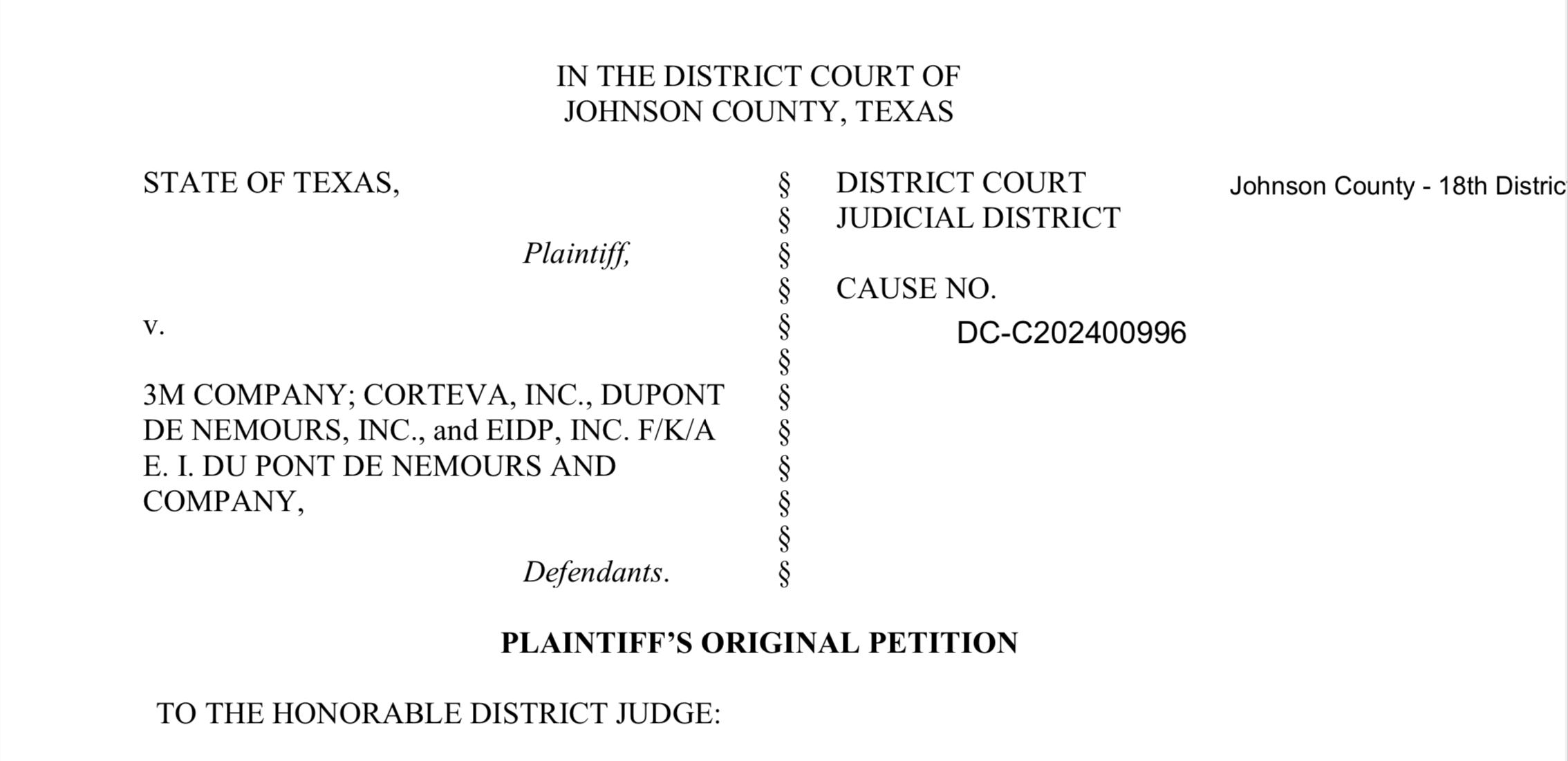
In a significant win for state-level environmental and consumer protection efforts, Texas has successfully remanded its lawsuit against major chemical companies back to state court. This case shines a spotlight on the alleged deceptive marketing of products containing PFAS, dubbed “forever chemicals,” despite known health risks. As the fight intensifies, it raises broader questions about corporate accountability and public health.
The Remand Decision: A Setback for 3M’s Federal Strategy
On September 25, 2025, a Texas federal judge ruled to remand the state’s lawsuit against 3M Co. and Corteva Inc., denying the companies’ bid to keep the case in federal jurisdiction. This move sends the proceedings back to Johnson County District Court, where it was originally filed by Texas Attorney General Ken Paxton in December 2024. The decision aligns with similar outcomes in other PFAS-related cases, limiting companies’ ability to consolidate lawsuits in federal multidistrict litigation (MDL).
“This remand could encourage more state-level actions, as it limits companies’ ability to consolidate cases in federal multidistrict litigation (MDL), where bellwether trials for personal injury claims are set for October 2025.”
The ruling underscores a growing trend where states push back against corporate attempts to shift venues, potentially leading to more localized and aggressive prosecutions.
Background: The Rise of ‘Forever Chemicals’ Concerns
PFAS, or per- and polyfluoroalkyl substances, are synthetic chemicals prized for their resistance to heat, water, and stains. Found in products like Teflon cookware, Stainmaster carpets, and Scotchgard protectors, they have earned the moniker “forever chemicals” due to their inability to break down in the environment or human body. Health links include cancer, high cholesterol, reduced vaccine efficacy, and reproductive issues.
Texas’s suit focuses not just on environmental contamination but on deceptive consumer marketing, alleging that companies promoted these products as safe for household use while concealing toxicity data dating back decades.
Key Players: 3M, Corteva, and the DuPont Legacy
The defendants include industry heavyweights with long histories in PFAS production:
3M Company: Known for Scotchgard, which was marketed for family-friendly applications like protecting carpets from spills.
Corteva Inc.: Inherited liabilities from DuPont’s PFAS operations through complex corporate restructurings.
DuPont Entities: Including DuPont de Nemours Inc. and EIDP Inc., accused of producing PFOA-based items like Teflon and Stainmaster, despite early awareness of risks.
The complaint details DuPont’s maneuvers, spinning off businesses to Chemours, merging with Dow, and forming Corteva, to allegedly evade accountability. Courts in places like North Carolina have affirmed these entities’ ongoing liability.
“3M knew about PFOS toxicity and bioaccumulation since the 1950s from internal studies but continued marketing Scotchgard as harmless.”
Core Allegations: Deception Under the Texas Deceptive Trade Practices Act
At the heart of the lawsuit are claims under the Texas Deceptive Trade Practices, Consumer Protection Act (DTPA). Texas accuses the companies of:
Misrepresenting product safety and benefits
Failing to disclose known health and environmental risks
Inducing purchases through false advertising targeted at families
Specific examples include 3M’s internal studies from the 1950s showing PFOS buildup, and DuPont’s 1960s data on PFOA harms, yet both continued aggressive marketing without warnings. Evidence points to PFAS accumulation in Americans’ blood as early as the 1970s, all while products were touted as everyday essentials.
“DuPont was aware of PFOA’s harms since the 1960s, including environmental persistence and health effects observed in animal and employee blood studies, yet promoted Teflon and Stainmaster as family-friendly without warnings.”
Procedural Twists: From State to Federal and Back
Filed in state court, the case was removed to federal court by 3M under the Class Action Fairness Act (CAFA). Texas countered with a motion to remand, labeling the removal “baseless” and seeking fees. The judge’s September 25 decision favored the state, echoing rejections of 3M’s federal contractor defenses in other suits.
What Texas Seeks: Remedies and Broader Implications
The state demands injunctions against further deceptive practices, civil penalties up to $10,000 per violation, and declarations ensuring penalties survive bankruptcy. This lawsuit joins a national wave, with over 30 states pursuing PFAS claims. Major settlements include 3M’s $10.3 billion deal for water remediation and DuPont, Chemours, and Corteva’s $1.185 billion agreement.
