The CDC Shake-Up: Resignations, RFK Jr., and the Push for COVID Vaccine Scrutiny
Originally published: 2025-09-09
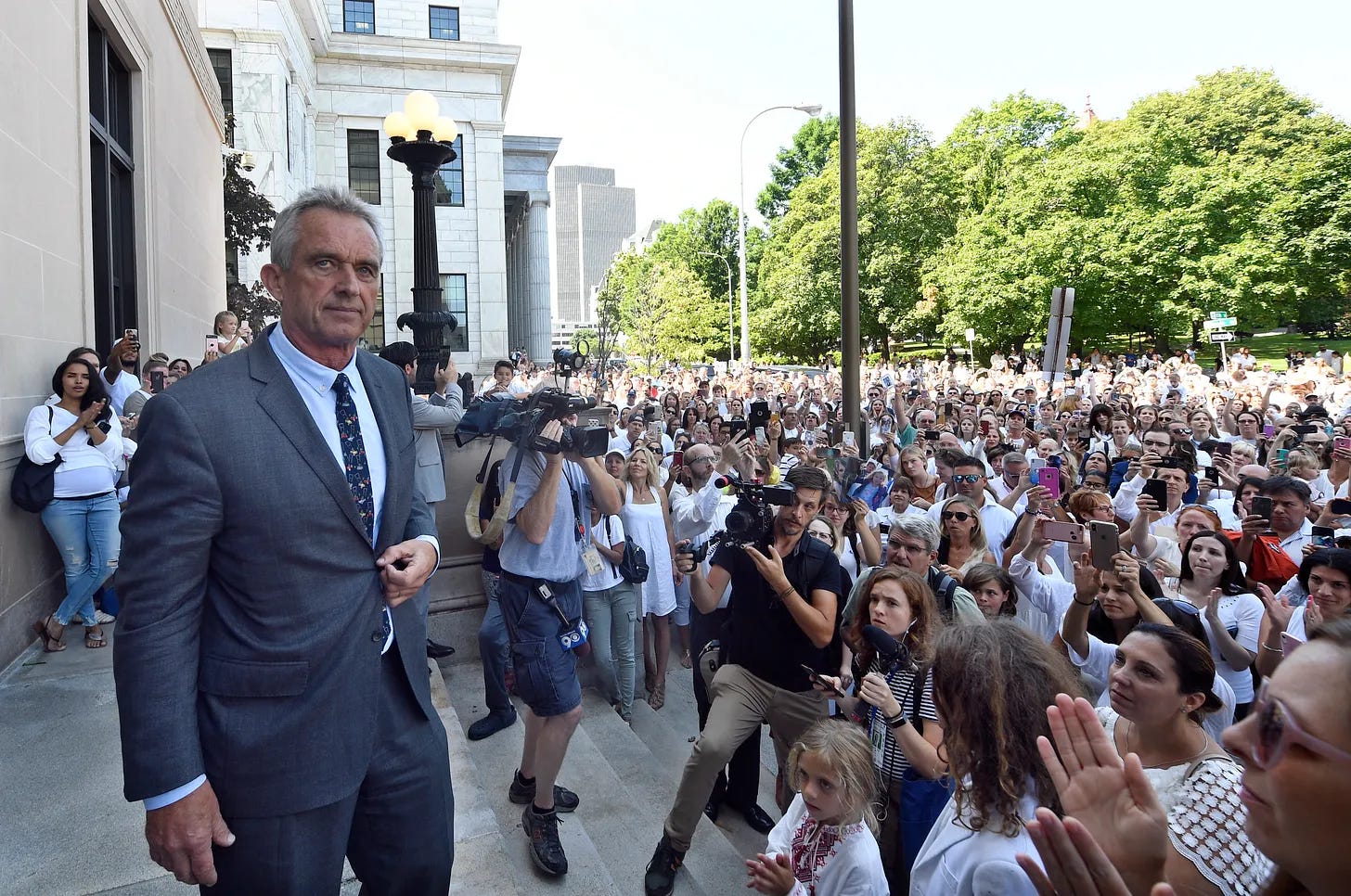
In the waning days of August 2025, the U.S. Centers for Disease Control and Prevention (CDC) found itself in the midst of unprecedented chaos. The firing of its director, high-profile resignations, and a sweeping overhaul of vaccine advisory processes have sparked heated debates about public health policy, scientific integrity, and political influence. At the heart of this storm is the Advisory Committee on Immunization Practices (ACIP) and its newly revamped COVID-19 Immunizations Workgroup, whose updated "terms of reference" have become a flashpoint for critics and supporters alike. This post dives into the events, the document driving the controversy, and what it all means for the future of COVID-19 vaccination in America.
The Spark: Recent CDC Resignations and Firings
The turmoil began escalating in late August 2025, culminating in the abrupt firing of CDC Director Susan Monarez on August 27. According to reports, Monarez was ousted after refusing to approve vaccine recommendations she believed contradicted scientific evidence. Her lawyer, Mark Zaid, contested the firing’s legality, asserting that she “remains” in her position and hinting at potential legal action.
In the wake of Monarez’s dismissal, four top CDC officials resigned in protest, including Dr. Demetre Daskalakis (Director of the National Center for Immunization and Respiratory Diseases), Dr. Debra Houry (Deputy Director for Program and Science), and Dr. Daniel Jernigan (Deputy Director for Science and Public Health). A rally outside CDC headquarters on August 28 showed support for these leaders, with Daskalakis declaring:
“We are going to be your loudest advocates!”
Jernigan, a 30-year veteran, expressed dismay over the reexamination of past scientific findings, noting that they were being “reanalyzed in ways that we could not understand.”
Social media amplified these events, with posts suggesting the resignations stemmed from the ACIP subcommittee’s new mandate to probe COVID-19 vaccine safety and efficacy. One X user claimed:
“The real reason for the recent CDC resignations is that the ACIP Subcommittee on COVID-19 vaccines got approval to investigate the safety and efficacy of COVID vaccines, and they knew the gig was up.”
Nine former CDC directors echoed these concerns in a New York Times op-ed, writing:
“This is unacceptable, and it should alarm every American, regardless of political leanings.”
Behind the Scenes: RFK Jr.’s Influence and ACIP Overhaul
Health and Human Services (HHS) Secretary Robert F. Kennedy Jr. has been a central figure in this drama. Critics accuse him of undermining the CDC by appointing vaccine skeptics to key roles and overhauling the ACIP, including firing its previous members in June 2025. Kennedy’s actions have drawn ire from nine former CDC directors, who issued a dire warning in their September 1 opinion piece, criticizing his promotion of unproven treatments and weakening of vaccine programs. They expressed concern over the “wide-ranging impact that all these decisions will have on America’s health security.”
The crisis intensified around an upcoming ACIP meeting on September 18, 2025, where the COVID-19 Vaccines Workgroup is set to present data. Sen. Bill Cassidy (R-LA) called for its postponement, citing “serious allegations about the meeting agenda, membership, and lack of scientific process.” This follows Kennedy’s announcement limiting COVID-19 vaccine availability to adults 65+ or those with underlying conditions, a move that has caused confusion and access barriers in several states.
Decoding the Terms of Reference
Published on August 20, 2025, the updated Terms of Reference (TOR) for the ACIP COVID-19 Immunizations Workgroup outline its scope amid these changes. The document establishes the workgroup to review data on COVID-19 vaccines from manufacturers like Moderna, Novavax, and Pfizer, developing policy options for ACIP to advise the CDC director. It emphasizes advising on target populations, contraindications, adverse events, efficacy, safety, and economic analyses, with the ability to revise or withdraw prior recommendations based on new data.
The TOR also supports updates to the Vaccines for Children Program and requires timely reviews under laws like the 21st Century Cures Act.
“The COVID-19 WG was established in 2020 and met frequently to discuss immunization recommendations as the COVID-19 pandemic evolved.”
From the Background section of the Terms of Reference
Key Topics and Activities
The workgroup’s multi-year focus includes risk-benefit and cost-benefit analyses of mRNA and other COVID-19 vaccines, tailored by age, risk factors, and health status. It aims to identify gaps in knowledge on safety and efficacy to inform policy and further research. Activities involve analyzing data to support ACIP deliberations on vaccine use, including general recommendations and modifications for special populations.
Critics like Daskalakis have called out the TOR for including “anti-vaccine talking points” and excluding CDC staff input, claiming members were instructed to “prevent CDC bias.”
Membership Changes: A Shift in Perspective
A notable shift is the leadership: Retsef Levi, PhD, an MIT professor and vocal critic of mRNA vaccines, chairs the group. The TOR bars CDC staff from membership, limiting them to administrative support, and excludes nonvoting liaisons from medical organizations to avoid bias. This setup ensures “no undue influence from the CDC or special-interest groups,” according to the document.
Other members include figures like Robert Malone, MD, another mRNA vaccine critic.
“I don’t know what CDC bias is, because that’s not what we do. Our science is unbiased.”
Dr. Demetre Daskalakis in his resignation comments
Implications for Public Health
This overhaul could lead to a sweeping review of COVID-19 vaccines, potentially exposing flaws in prior policies or validating long-held concerns about safety and efficacy. However, former CDC leaders warn it risks eroding trust in public health institutions. As Kennedy prepares to testify before Congress on September 4, the debate underscores deep divisions in how America approaches vaccination post-pandemic.
Whether this signals a necessary reckoning or a dangerous politicization remains to be seen, but one thing is clear: the “gig” of unquestioned vaccine policy may indeed be up.
