The Chiropractic Summit's Closed Door
Originally published: 2025-08-18
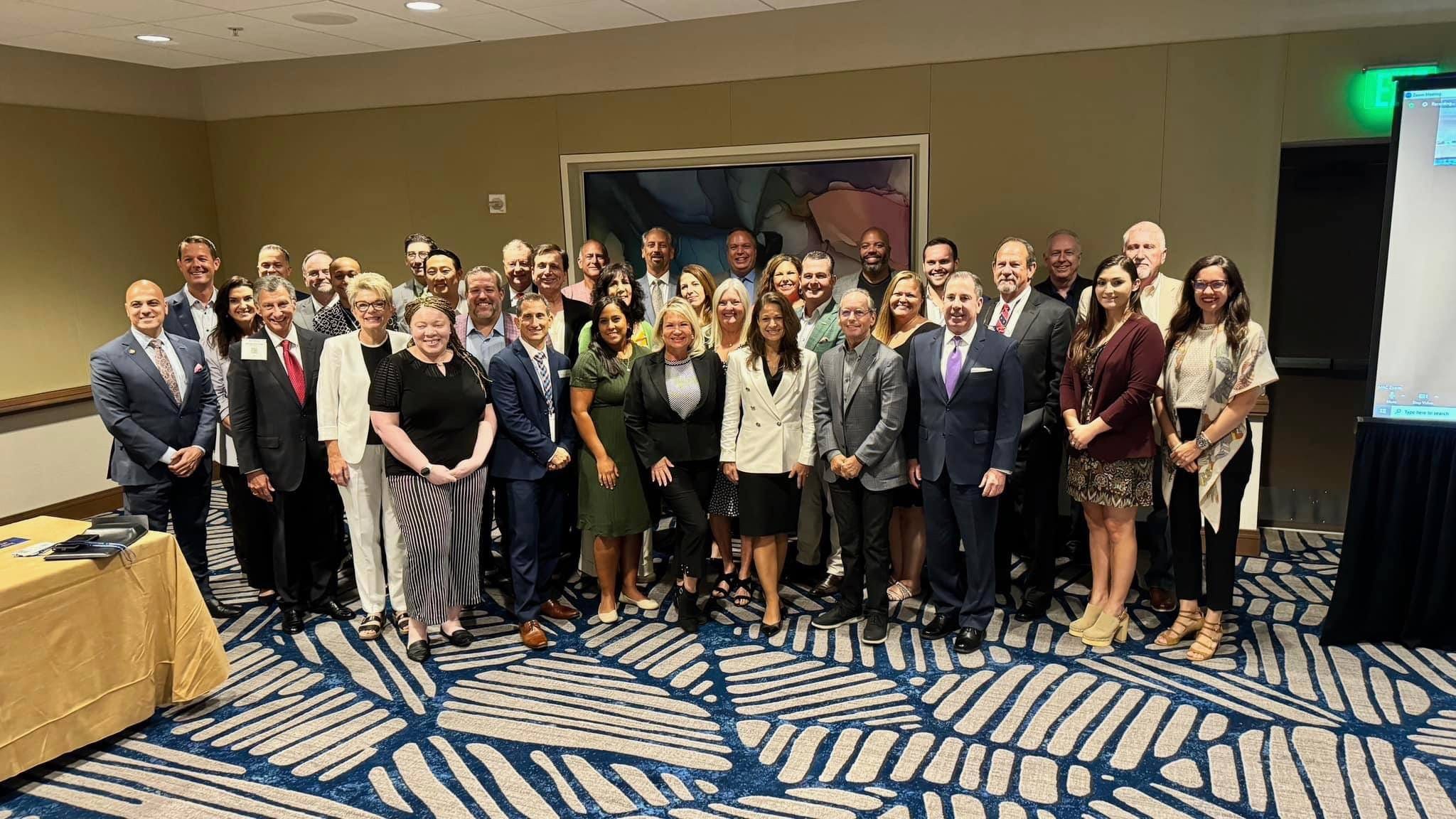
Why this meeting matters now
The Chiropractic Summit Group is scheduled to convene in Orlando during the Florida Chiropractic Associations “The National,” August 21–24, 2025. Against that backdrop, the Chiropractic Chronicle’s investigative report portrays the Summit not as a neutral “unity” forum, but as the coordination hub of a power bloc that exerts monopoly-like control over accreditation, testing, and regulation inside the profession.
CLICK HERE for a copy of the report
“Federal advisors described a ‘monopoly control… a virtual cartel,’ with a ‘climate of fear’ comparable to ‘accepting an offer from Tony Soprano.’”
The Chronicle’s core findings
A culture of secrecy by design
The Summit’s operating rules mirror “Fight Club”: you do not talk about it. Membership requires confidentiality, there is no accessible public website, and requests for a current member list have been refused. The report argues this secrecy is not incidental, but essential to coordinating strategies that would not withstand public scrutiny.
“St. Louis Principles” = “Fight Club Rules.” You don’t talk about the Summit.
Who’s at the table, and who isn’t
According to the report, the Summit is invitation-only, with paid “partner” seats dominated by the CCE, NBCE, FCLB, major trade groups, vendors, and colleges, while respected, dissenting organizations and individuals are shut out.
“A closed political machine… consolidating power among unelected nonprofits, corporations, and colleges, while silencing opposing voices.”
Leadership overlap with licensing gatekeepers
The NBCE’s CEO, Norman Ouzts, has previously served as Summit Chair, placing the head of the testing monopoly at the helm of this secretive coalition. There is no publicly available information on who the Chair is currently. The Summit website link takes you to a “Forbidden” message.
The financial engine: from student loans to Summit dues
The report traces a circular money flow: students borrow federally backed loans, pay schools and NBCE exam fees; NBCE then funds the FCLB (over 70% of its revenue, plus in-kind support), and the FCLB pays dues as a “Summit Partner.” In effect, student debt subsidizes the Summit’s closed-door policy coordination.
“Student debt → NBCE → FCLB → Summit dues. Accountability is laundered at every step.”
Policy 56 and the tying problem
CCE’s “Policy 56” uses NBCE exam pass rates as a proxy for licensing outcomes, pushing schools to teach to the test and entrenching NBCE’s monopoly, what the report characterizes as an illegal “product tying” arrangement between accreditation and testing.
Case study: Punished for asking to attend
When FCLB Vice President Dr. Keita Vanterpool simply inquired about attending the Summit as a guest, she was suspended; discovery documents identified her Summit inquiry as the top reason. Jurors questioned Summit protocols during the trial, highlighting the Summit’s central role.
“Guest invitations require a personal invitation and unanimous acceptance by all partners.” — Summit administrator Lisa Love-Smith (from email cited in the case)
Orlando 2025: Questions every doctor should demand answers to
Who is invited, and why? Publish the current partner list, written bylaws, and selection criteria before any Summit decisions influence state or national policy.
Where does the money go? Disclose all financial ties among CCE, NBCE, FCLB, and the Summit, including dues, pass-throughs, and in-kind support.
Will you end forced tying? Commit publicly to decoupling CCE accreditation from NBCE exam metrics as a licensing proxy.
Will you record and release minutes? Open the Summit’s proceedings to the profession with published agendas, minutes, and votes.
What reform could look like
The Chronicle’s report urges four pillars of change: mandated transparency for monopoly or quasi-regulatory bodies; financial decoupling and audit of loan-derived funds; antitrust scrutiny of restraint-of-trade and tying; and recognition of competing accreditors to restore choice and accountability.
“Break the 50-year monopoly. Recognize competing accreditors. Inject competition, diversity, and accountability.”
Bottom line
As the Summit gathers in Orlando, the Chronicle’s findings frame a simple choice for the profession: accept closed-door control subsidized by student debt, or insist on transparent, competitive governance that serves doctors, students, and patients, not a protected cartel.
