The End of the Department of Education: What It Means for the Chiropractic Cartel’s Grip on the Profession
Originally published: 2025-01-31
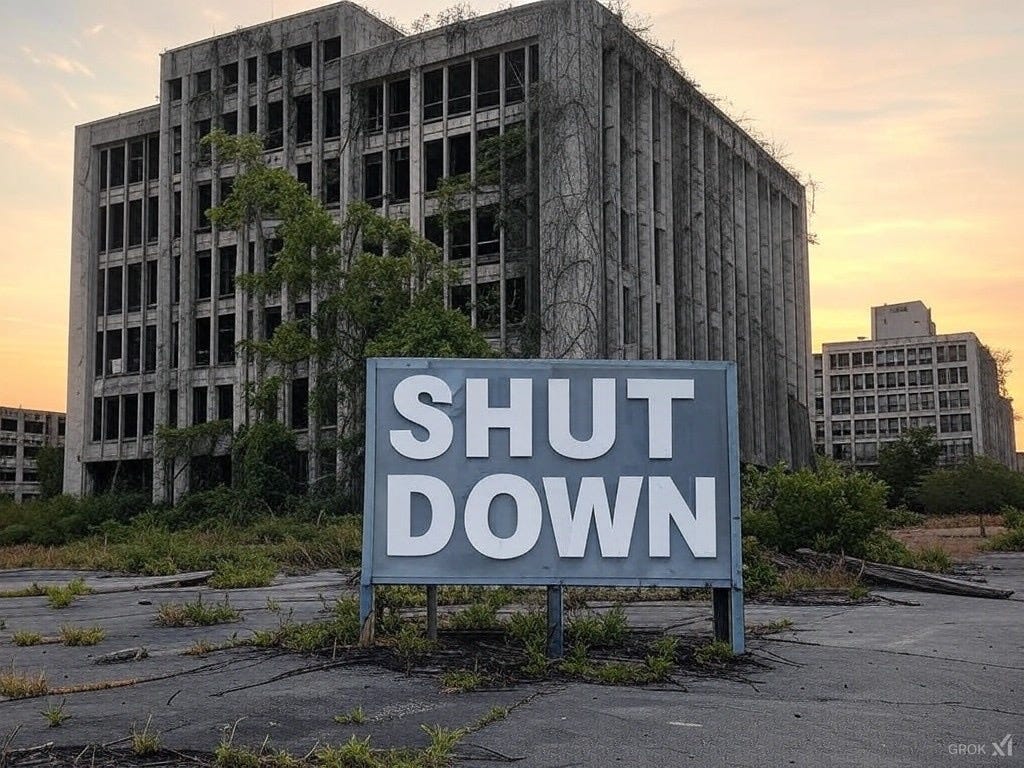
Representative Thomas Massie’s reintroduction of H.R. 899, a bill to terminate the U.S. Department of Education by 2026, has reignited debates over the role of federal oversight in education. While most discussions center on funding, student loans, and state control, one under-explored consequence is how this move could impact the Chiropractic Cartel’s control over the profession. The potential dissolution of the Department of Education presents both risks and opportunities in the ongoing struggle to decentralize chiropractic education and licensing, challenging the entrenched monopolies that dictate the profession’s future.
The Department of Education and Chiropractic Accreditation: A Federal Tool for Control
The federal government’s involvement in education extends far beyond K-12 schooling. Through the Department of Education, it oversees accreditation processes that determine which institutions receive federal funding and which degrees are recognized. This structure has been a key factor in how a handful of organizations have cemented their monopoly over chiropractic education.
The Council on Chiropractic Education (CCE) has long been the gatekeeper for accreditation, setting restrictive standards that dictate which chiropractic programs can exist and how they must operate. By controlling accreditation, the CCE—backed by powerful organizations like the Federation of Chiropractic Licensing Boards (FCLB) and the National Board of Chiropractic Examiners (NBCE)—has ensured that only institutions aligned with their philosophy can receive federal funding, student loans, and licensure recognition.
If the Department of Education is eliminated, the centralized control of accreditation could be dismantled or significantly weakened. Without federal backing, the CCE’s power could erode, opening the door for alternative accrediting bodies, independent chiropractic institutions, and state-level licensing reforms.
The Potential for State-Led Chiropractic Education Reform
Proponents of eliminating the Department of Education argue that education should be managed at the state and local levels. If that shift occurs, chiropractic education could become more diversified, with states taking control over accreditation and licensure requirements rather than following federally sanctioned guidelines.
This could allow for:
More educational diversity: New chiropractic schools could emerge outside the CCE’s monopoly, offering different approaches to chiropractic education that align with a broader range of chiropractic philosophies.
State-controlled licensing: Instead of relying on national boards controlled by the Chiropractic Cartel, states could set their own licensing requirements, potentially recognizing graduates from non-CCE-accredited institutions.
A freer chiropractic marketplace: Without federally mandated accreditation processes, competition in chiropractic education could flourish, breaking the grip of the current establishment.
Risks and Challenges: Will the Cartel Adapt?
While shutting down the Department of Education could weaken the current accreditation structure, the Chiropractic Cartel is unlikely to relinquish control without a fight. Organizations like the CCE, FCLB, and NBCE may pivot to lobbying state governments to maintain their influence. They could push for state laws that continue to require national board exams and CCE accreditation, effectively transferring their federal monopoly to a state-by-state model.
The Bigger Picture: Breaking the Chiropractic Cartel’s Stranglehold
If H.R. 899 were to pass, it would not immediately dissolve the Chiropractic Cartel’s power, but it could create a pathway to challenging its influence. The decentralization of educational oversight might allow for greater ideological diversity within chiropractic education, fostering a profession where different models of chiropractic care can coexist and thrive.
This legislative effort ties into broader issues of government overreach, professional monopolies, and the fight for free-market principles within healthcare. The chiropractic profession, long manipulated by a few powerful entities, has a unique opportunity to reshape its future—if it can capitalize on the disruption that the elimination of the Department of Education might bring.
For chiropractors and students who have long sought an alternative to the CCE-controlled system, this may be a pivotal moment. The question is: Will the profession seize this opportunity to reclaim its independence, or will the Chiropractic Cartel find new ways to maintain its grip?
