The FDA’s Shifting COVID Vaccine Guidance: Validated Concerns and the Vindication of Skeptics
Originally published: 2025-05-22
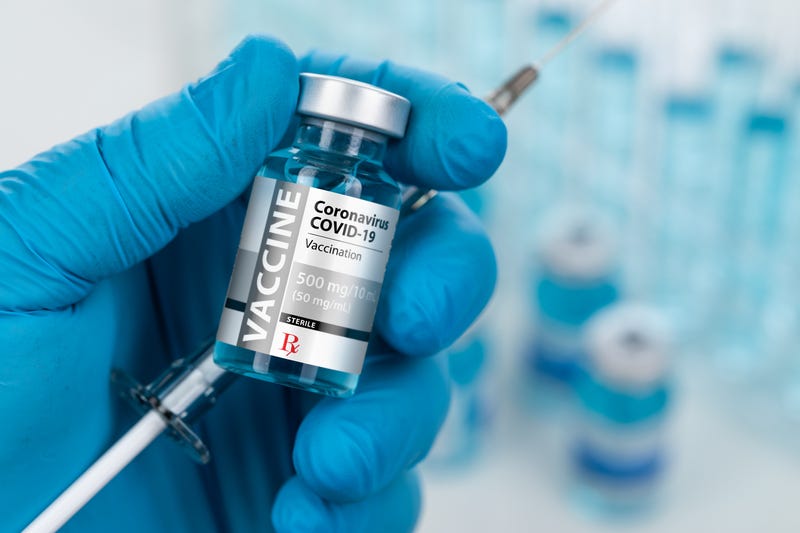
The FDA’s May 2025 guidance on COVID-19 vaccines marks a pivotal shift, prioritizing annual shots for high-risk groups like those over 65, pregnant women, and individuals with conditions ranging from asthma to depression. While the agency frames this as a streamlined, evidence-based approach, the inclusion of broad and sensitive populations—coupled with a history of dismissed public concerns—has ignited fierce debate. Far from mere skepticism, these concerns, once labeled “conspiracy theories,” are now backed by mounting evidence, validating the public’s demand for transparency and caution. This blog post explores the FDA’s new guidelines, the legitimate worries they raise, and how past criticisms have been proven right.
The FDA’s New Vaccine Playbook: Who’s High-Risk?
The FDA’s updated stance, detailed by Commissioner Marty Makary and Vinay Prasad in the *New England Journal of Medicine*, recommends annual COVID-19 vaccines for adults over 65 and those at elevated risk of severe outcomes. This includes pregnant women and people with conditions like cancer, diabetes, asthma, Down syndrome, and even depression—a list so expansive it could encompass 100-200 million Americans, per the CDC’s estimates. For healthy individuals under 65, routine approvals will require rigorous clinical trials, a move signaling caution about universal vaccination.
The FDA’s new guidance classifies nearly a third of Americans as ‘high-risk,’ including pregnant women and those with depression, raising questions about the breadth of these recommendations.
This broad categorization alarms many, particularly when it includes vulnerable groups like pregnant women, where historical caution around medical interventions is standard. The public’s unease isn’t baseless—it’s rooted in a pattern of concerns once mocked as fringe but later substantiated.
Pregnant Women in the Crosshairs: A Justified Worry
One of the most contentious aspects of the FDA’s guidance is the explicit recommendation of COVID-19 vaccines and boosters for pregnant women. Early in the pandemic, pregnant women were excluded from vaccine trials, leaving a data gap that fueled hesitation. Despite this, the CDC and FDA now cite studies showing increased risks of severe COVID-19 outcomes in pregnancy—ICU admissions, preterm births, and maternal complications—as justification for vaccination.
Recommending vaccines for pregnant women without long-term placebo-controlled trials is reckless. Where’s the data on fetal outcomes?
Yet, the public’s concern isn’t unfounded. While short-term studies suggest vaccines are safe, with benefits like maternal antibody transfer, the absence of long-term data on fetal or developmental outcomes remains a glaring issue. Critics point to historical medical missteps—like thalidomide’s tragic impact on fetuses—as a reminder of why caution is warranted. Posts on X highlight this, with users demanding granular safety data that the FDA has yet to fully provide. The agency’s acknowledgment that individual risk-benefit discussions are needed only deepens distrust when blanket recommendations persist.
The “Conspiracy” to Evidence Pipeline
The FDA’s guidance comes against a backdrop of public frustration, where concerns once derided as “conspiracy theories” have repeatedly been validated. Let’s examine key examples:
1. Vaccine Safety and Adverse Effects
Early in the rollout, claims of vaccine side effects like myocarditis or blood clots were dismissed as rare or overblown. By 2022, however, studies confirmed elevated risks of myocarditis in young males post-mRNA vaccination and rare clotting issues with certain vaccines. The CDC’s own data now acknowledges these risks, though it emphasizes their rarity. What was once a “theory” became a documented concern, fueling distrust in blanket safety claims.
2. Natural Immunity Ignored
Critics who argued that natural immunity from prior infection offered robust protection were sidelined in favor of universal vaccination campaigns. By 2023, studies, including one in *The Lancet*, showed that natural immunity provided comparable or superior protection against severe outcomes for some variants. The FDA’s failure to integrate this into early guidance alienated those who saw their lived experience dismissed.
3. Overstated Vaccine Efficacy
Initial claims of near-perfect vaccine efficacy against infection waned as breakthrough cases surged with Delta and Omicron. What began as a “conspiracy” about vaccine limitations became undeniable by 2022, when the CDC admitted vaccines were more effective at preventing severe outcomes than stopping transmission. This shift validated critics who questioned the one-size-fits-all approach.
They called us crazy for questioning vaccine efficacy. Now the FDA admits healthy people need more proof of benefit. We were right to ask.
These examples illustrate a pattern: public concerns, initially mocked, have consistently found evidentiary support, eroding trust in institutions like the FDA.
The High-Risk Label: Too Broad, Too Vague?
The FDA’s inclusion of conditions like depression or asthma as high-risk raises another red flag. While severe asthma or uncontrolled diabetes clearly increases COVID-19 risks, milder cases or mental health conditions like depression stretch the definition. Critics argue this risks over-vaccination, exposing millions to potential side effects without clear justification. The CDC’s estimate that a third of Americans qualify as high-risk amplifies fears of a catch-all approach.
Depression as a high-risk condition for COVID vaccines? This isn’t science—it’s a dragnet.
Data shows that while conditions like cancer or diabetes elevate severe COVID-19 risks, the evidence for milder or well-managed conditions is less conclusive. The FDA’s broad criteria, critics argue, sideline individualized care, a concern echoed by healthcare providers on X who call for nuanced risk assessments over blanket policies.
Why the Distrust Persists
The FDA’s guidance isn’t just about vaccines—it’s about a fractured relationship with the public. Repeated instances of dismissed concerns, from adverse effects to natural immunity, have left many wary. The agency’s pivot to restrict routine approvals for healthy adults under 65 is seen as an admission that universal vaccination may have been overzealous, yet its expansive high-risk list feels like a continuation of top-down mandates.
The FDA’s new rules prove we weren’t wrong to question. They’re backtracking, but still pushing vaccines on pregnant women and kids. Enough.
This distrust is compounded by a lack of transparent communication. The FDA’s reliance on observational studies for pregnant women, rather than placebo-controlled trials, and its failure to publicly address long-term safety concerns, leaves gaps that fuel public unease. When the public demand raw data or independent audits, they’re not denying science—they’re holding institutions accountable.
The FDA’s May 2025 guidance reflects a partial course correction, acknowledging that not everyone needs annual COVID-19 vaccines. But its broad high-risk definitions and recommendations for sensitive groups like pregnant women keep legitimate concerns alive. To rebuild trust, the FDA must:
1. Release Granular Data: Publish detailed, long-term safety studies for pregnant women and other high-risk groups, addressing fetal and developmental outcomes.
2. Narrow High-Risk Criteria: Focus on severe, well-defined conditions, avoiding vague inclusions like depression that dilute credibility.
3. Empower Individual Choice: Encourage shared decision-making with healthcare providers, especially for pregnant women, rather than blanket recommendations.
The vindication of once-dismissed concerns—from side effects to natural immunity—shows the public’s questions were never baseless. As X posts and public discourse reveal, people aren’t anti-science; they’re pro-accountability. The FDA must listen, or risk further eroding the trust it desperately needs.
The concerns surrounding the FDA’s COVID-19 vaccine guidance are rooted in evidence, history, and a demand for rigorous science. As validated worries replace “conspiracy theories,” the public deserves answers, not dismissal. Share your thoughts below or join the conversation on X—because questioning isn’t just a right, it’s a necessity.
