The MAHA Commission on Childhood Chronic Illness: What Role for Chiropractic?
Originally published: 2025-02-16
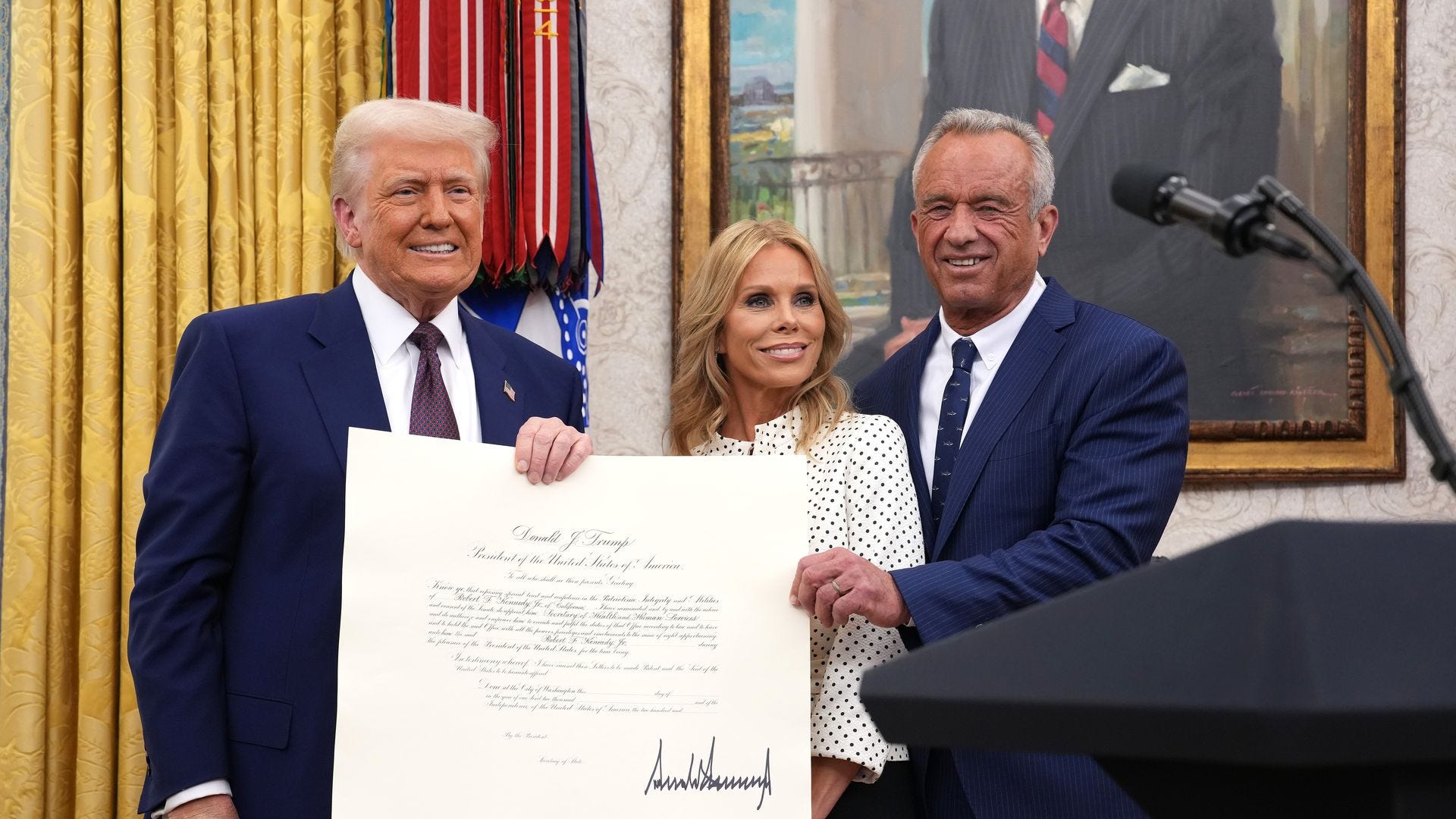
President Donald Trump's establishment of the MAHA (Make America Healthy Again) Commission on Childhood Chronic Illness on February 13, 2025, marks a pivotal moment in public health. Led by Secretary of Health and Human Services Robert F. Kennedy Jr., this commission is tasked with exploring the profound issues surrounding chronic diseases in children, from autism to autoimmune conditions. Their mission is twofold: to assess and to strategize solutions within a stringent timeline.
The Scope of the MAHA Commission
With the goal of producing the "Make Our Children Healthy Again Assessment" in 100 days, the commission will scrutinize the incidence of chronic illnesses in America, compare it internationally, and identify potential causes, including diet, toxins, and overmedication. Following this, a strategic plan will be proposed to address these health concerns comprehensively.
Chiropractic Care: The Spine & Beyond
Chiropractic care, traditionally focused on spinal health and vertebral subluxation has the potential to play a transformative role in this new health paradigm:
- Spinal Health as a Foundation: Chiropractors specialize in the management of spinal disorders and the neuromusculoskeletal system. This has broad body health implications. Their expertise can be directly applied to:
- Childhood Spinal Health: Early detection of spinal misalignments, scoliosis and other preventive strategies through screenings can prevent or mitigate chronic conditions that might stem from spinal health issues.
- Maternal Spinal Care: The health of a mother's spine during pregnancy can influence both her well-being and the development of the child, potentially reducing the risk of chronic conditions and aiding in easier deliveries.
- Global Impact of Chiropractic Care: The benefits of chiropractic interventions extend globally:
- Chronic Conditions in Children: Research suggests chiropractic care can help children with conditions like ADHD, colic, ear infections, and even some aspects of autism spectrum disorders, offering drug-free alternatives to their co-management.
- Preventive Health: By focusing on the spine's alignment, chiropractors can promote better overall health, enhancing the body's natural healing capabilities and immune response.
Chiropractic Leadership in Community Health Needs Assessments (CHNA)
Community Health Needs Assessments (CHNAs) are pivotal in reshaping local health policy by providing a data-driven foundation for decision-making. These assessments identify the most pressing health issues within a community, evaluate existing resources, and highlight gaps in service or knowledge that need addressing. By bringing to light the specific health challenges faced by local populations, CHNAs enable policymakers to craft targeted interventions, allocate resources more effectively, and advocate for changes that directly improve community health outcomes. They serve as a crucial tool for not only understanding the health landscape but also for engaging community stakeholders in health planning, ensuring that policies are both relevant and actionable.
Chiropractors, with their unique training and perspective, are exceptionally well-suited to lead these assessments. Their education encompasses not only the mechanics of spinal health but also extends into understanding chronic disease management, prevention, and the impact of lifestyle on health. Chiropractors are trained to see health holistically, recognizing how spinal alignment, nutrition, exercise, and mental well-being interplay to affect overall health. This holistic viewpoint aligns perfectly with the goals of CHNAs, which aim to address health from multiple angles.
Through their practice, chiropractors often work closely with patients to prevent chronic conditions by advocating for lifestyle changes, which equips them with the experience to evaluate community health needs in terms of preventive care rather than just treatment. Their community-centric approach, coupled with their knowledge of how small changes in lifestyle or environment can lead to significant health improvements, positions chiropractors as natural leaders in the process of not only assessing but also influencing local health policies for better, more integrated, and preventive healthcare solutions.
Chiropractors can lead or significantly contribute to CHNAs with a focus on:
- Spinal Screenings: Incorporating routine spinal health checks for children in schools or community centers to detect issues early.
- Maternal Health Programs: Creating programs aimed at the spinal health of pregnant women, which could include education, screenings, and treatment options.
- Data Collection and Analysis: Collecting and analyzing data not just on chronic diseases but specifically on spinal health correlates, which might provide insights into broader health issues.
- Community Engagement
- Educate and Inform: Use these assessments to educate about the benefits of spinal health for preventing chronic diseases.
- Advocacy: Advocate for local policies that support chiropractic care in schools and maternal health programs.
Challenges and Opportunities
- Integration and Acceptance: Achieving acceptance within the broader medical community for chiropractic insights into chronic illness management.
- Resource Mobilization: Securing funding and support for extensive community health initiatives.
However, the opportunities are substantial:
- Community Health Leadership: Chiropractors can redefine their role from practitioners of manual therapy to leaders in public health, focusing on prevention and wellness.
- Global Health Influence: By contributing to the MAHA commission's objectives, chiropractic care could gain recognition on a global scale, influencing health strategies beyond U.S. borders.
Conclusion
The MAHA Commission represents not just a challenge but a profound opportunity for chiropractors to leverage their expertise in spinal health to address broader health issues in children. By spearheading community health needs assessments with a focus on spinal health, chiropractors can play a crucial role in shaping a healthier future, making their mark in the narrative of global public health.
