The MAHA Movement’s First Months: Bold Reforms, Fierce Controversies
Originally published: 2025-04-28
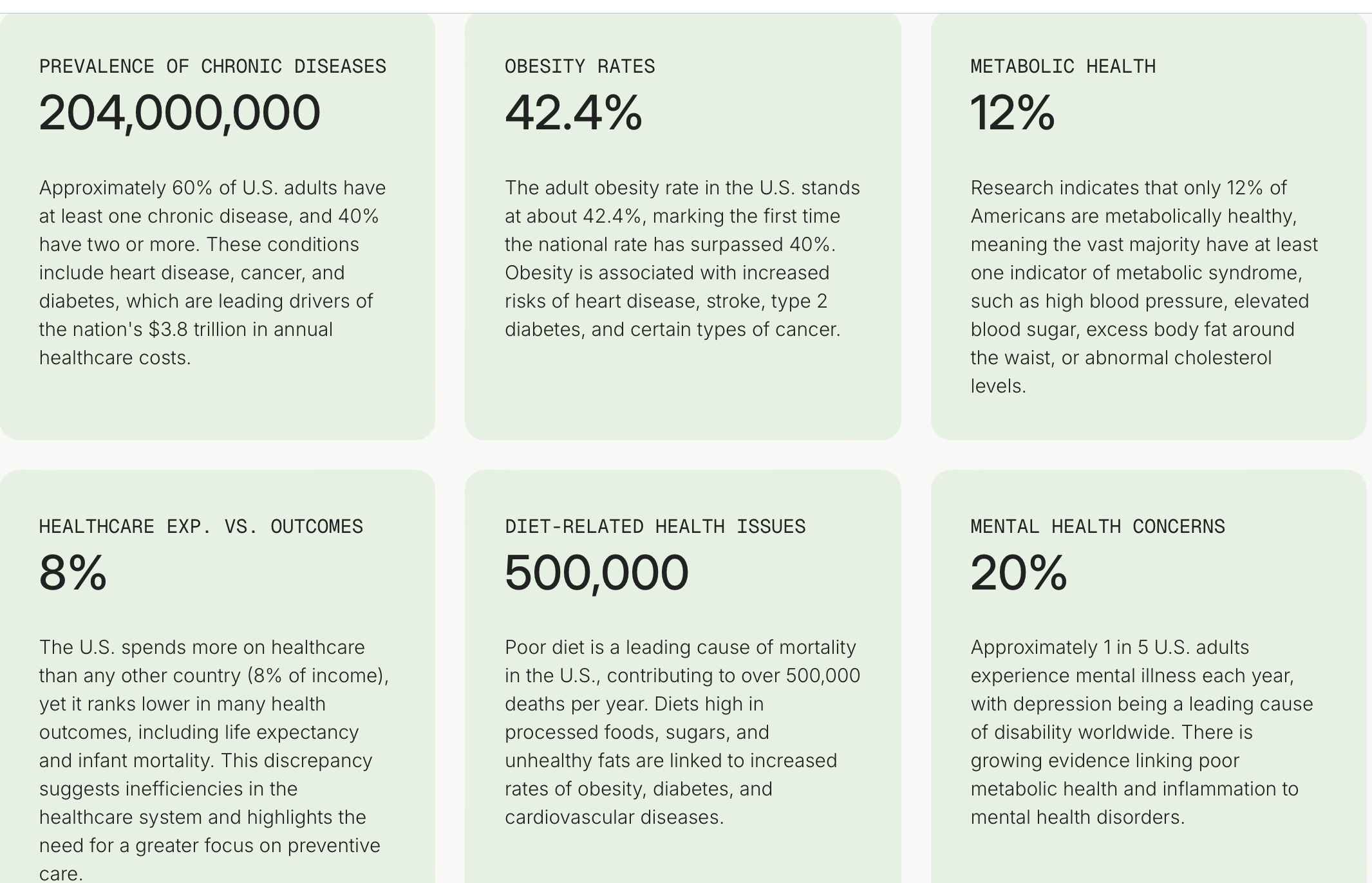
Since Robert F. Kennedy Jr. was sworn in as the 26th Secretary of the U.S. Department of Health and Human Services (HHS) on February 13, 2025, the Make America Healthy Again (MAHA) movement has surged from a campaign slogan to a transformative force in American health policy. With a mission to reverse the chronic disease epidemic, MAHA—under Kennedy’s leadership—has sparked ambitious reforms, heated debates, and a cultural shift in how Americans view food, medicine, and public health. This blog post chronicles the key developments, controversies, and public reactions to MAHA’s whirlwind start, drawing from official announcements, news reports, and sentiment on X as of April 26, 2025.
A New Era at HHS: Kennedy’s Confirmation and MAHA Commission
On February 13, 2025, RFK Jr. took the oath in the Oval Office, administered by Supreme Court Justice Neil Gorsuch, marking the start of his tenure overseeing HHS’s $2 trillion budget and agencies like the CDC, FDA, and NIH. Immediately after, President Trump signed an Executive Order establishing the Make America Healthy Again Commission, chaired by Kennedy, to investigate the root causes of chronic diseases, particularly in children, with a focus on autism, obesity, and diabetes.
“I have prayed each morning for the past two decades for God to put me in a position to solve the childhood chronic disease epidemic, and now, thanks to you Mr. President, we will make this promise a reality.” — RFK Jr., February 13, 2025
The commission, including officials from the Departments of Agriculture, Education, and the EPA, held its first private meeting on March 11, 2025, at the White House, amid a Texas measles outbreak that highlighted tensions over Kennedy’s vaccine skepticism. The group aims to deliver a report on children’s health within 100 days, though its closed-door nature has raised transparency concerns.
HHS Restructuring: A Leaner, MAHA-Driven Agency
On March 27, 2025, Kennedy announced a dramatic HHS restructuring to align with MAHA’s goals, calling it a "win-win for taxpayers and the American public." Key changes include:
Creation of the Administration for a Healthy America (AHA): This new entity merges agencies like the Office of the Assistant Secretary for Health and the Substance Abuse and Mental Health Services Administration, focusing on primary care, mental health, and environmental health.
Workforce Reduction: HHS cut 10,000 jobs (from 82,000 to 62,000), saving an estimated $1.8 billion annually, though critics argue this has depleted expertise.
Shift in Research Priorities: Kennedy redirected NIH resources from infectious diseases to chronic conditions, a move that alarmed public health experts worried about vaccine development.
“Over time, bureaucracies like HHS become wasteful and inefficient… This overhaul will be a win-win for taxpayers and for those that HHS serves.” — RFK Jr., March 27, 2025
The restructuring has drawn mixed reactions. Supporters hailed it as a bold step toward ending corporate capture, while critics, including former CDC director Richard Besser, described it as a hostile takeover that risks unraveling public health infrastructure.
Food and Environmental Policy: Targeting Big Food
MAHA’s most visible impact has been its push to reform the U.S. food system, targeting ultra-processed foods and chemical additives. Key actions include:
Food Dye Ban: On April 22, 2025, Kennedy and FDA Commissioner Marty Makary announced plans to remove petroleum-based food dyes like Red No. 40 from food and medicine, citing links to hyperactivity in children. This aligns with EU standards and California’s efforts.
SNAP Reforms: States like Indiana and Arkansas, inspired by MAHA, moved to exclude soda and candy from SNAP benefits, announced April 15, 2025, aiming to curb poor nutrition among low-income Americans.
Raw Milk and Fluoride: Kennedy has advocated legalizing raw milk and removing fluoride from water, despite scientific warnings about raw milk’s E. coli risks and fluoride’s dental benefits.
“We will scrutinize the chemical additives in our food supply. We will create an honest, unbiased, science-driven HHS.” — RFK Jr., Senate Finance Committee, January 2025
These moves have shifted consumer behavior, with the Washington Times reporting declining sales of processed foods like cereals, though hard data remains limited. Supporters celebrated MAHA’s challenge to decades of failed health policy, while skeptics criticized relaxed food safety inspections as contradictory to health goals.
Vaccine Skepticism and Public Health Backlash
Kennedy’s history of vaccine skepticism has been a lightning rod for controversy, especially during a Texas measles outbreak (541 cases, 9 hospitalizations by April 11, 2025). His suggestion that vaccines may cause autism prompted the CDC to investigate this theory, raising alarms among experts like Michael Osterholm. Kennedy’s downplaying of vaccines during the supposed outbreak drew criticism.
“When dangerous diseases resurface and people can’t access lifesaving vaccines, all Americans will suffer.” — Senator Elizabeth Warren, February 2025
Kennedy’s moves to shake up vaccine advisory committees, replacing experts he views as pharma-aligned, have further upset entrenched interests. Social media posts reflect the divide: some praised MAHA for questioning captured science, while others called it a public health disaster.
Industry and Political Pushback
MAHA’s aggressive agenda has met resistance from powerful players:
Pharma Concerns: Pharmaceutical executives warned Trump at Mar-a-Lago that Kennedy’s anti-vaccine stance could make vaccines "uninvestable," potentially stalling new cures.
Food Industry: Companies anticipate battles over dietary guideline changes and additive bans, citing bureaucratic and legal hurdles.
Political Divide: While some Democrats, like Colorado Governor Jared Polis, back MAHA’s FDA reforms, others, like Senator Ron Wyden, condemn what he calls Kennedy’s "anti-science" views. Senate confirmation was contentious, passing 52-48 with only Mitch McConnell voting against among Republicans.
Cultural Impact and the Road Ahead
MAHA has transcended policy, becoming a cultural movement. Social Media posts highlight its grassroots appeal, with "MAHA moms" and families rallying at events like the March 12 commission meeting. The movement’s focus on "medical freedom" and distrust of institutions resonates with both conservative and wellness communities, creating a powerful coalition.
“Kennedy’s unconventional approach… has rapidly transformed what began as a government initiative into a cultural movement with significant economic implications.” — Washington Times, March 27, 2025
However, MAHA faces challenges: legal setbacks have paused some Trump administration cuts to health research, and the measles outbreak underscores the “religion” of vaccines. The commission’s forthcoming report will be a critical test, as will Kennedy’s ability to deliver measurable results within Trump’s two-year timeline.
Conclusion: A Polarizing Path to Health Reform
The MAHA movement, under RFK Jr.’s leadership, has made bold strides—restructuring HHS, targeting food additives, and sparking a national conversation about chronic disease. Yet, its vaccine position threaten to undermine public health gains. As Kennedy navigates industry pushback, political divides, and public skepticism, MAHA’s success hinges on balancing populist zeal with evidence-based policy. Whether it will truly Make America Healthy Again remains an open question, but its impact is undeniable.
