The Pharma Money Trail: How Industry Donations Could Sway RFK Jr.'s Confirmation
Originally published: 2025-01-27
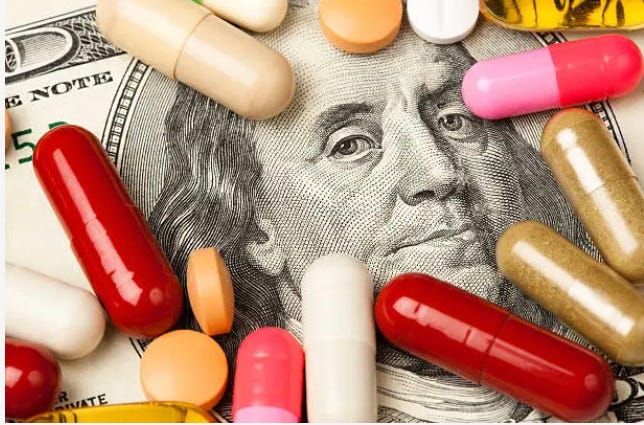
Let's dive into a topic that's not only topical but has significant implications for public health policy: the influence of pharmaceutical industry donations on U.S. Senators and how this might affect Robert F. Kennedy Jr.'s confirmation as the Secretary of Health and Human Services (HHS).
The Numbers Don't Lie
In the last five years, the pharmaceutical industry has poured millions into the coffers of Senators, strategically targeting those who hold sway over health policy. Here's a quick breakdown:
- 2020 Election Cycle: Pharma donated approximately $28.4 million to federal candidates, with a notable $11.9 million going to Democrats and $7.7 million to Republicans. This was a pivotal year where Democrats received more than their Republican counterparts, possibly due to the political climate.
- 2022 Cycle: Contributions from Pharmaceutical/Health Products PACs reached $13,714,885 for federal candidates, including Senators, with a traditional tilt towards Republicans.
- 2024 Cycle: The industry donated $15,050,086, with Republicans receiving $6.6 million and Democrats $5.2 million, indicating a strategic shift back towards the GOP.
The Connection to RFK Jr.'s Confirmation
Robert F. Kennedy Jr., nominated by President Donald Trump for HHS Secretary, has been a vocal critic of pharmaceutical companies, particularly regarding vaccine policies and the influence of Big Pharma over health agencies. His nomination has sparked both support and controversy:
- Pharma Industry's Response: The pharmaceutical sector has historically shown unease with figures like Kennedy who propose reforms or critiques that could disrupt their business model. Posts on X and various news sources indicate a significant drop in pharma stocks following Kennedy's nomination, highlighting industry fears.
- Senate's Role: The Senate, with its confirmation hearings, holds the key to Kennedy's appointment. Senators on the Finance and HELP Committees, who have received substantial contributions from the pharmaceutical industry, will be pivotal.
- Key Recipients: Senators like Tim Scott, Robert Menendez, and Catherine Cortez Masto, known for their significant pharma donations, sit on these influential committees. Their decisions could be swayed by these financial ties, especially considering the industry's apprehension towards Kennedy's potential policy changes.
Impact on Confirmation
- Support or Opposition: While some Senators might support Kennedy due to his alignment with certain health reform ideals or his environmental activism, the financial ties to pharma could lead to skepticism or outright opposition. The money received might not directly dictate votes, but it certainly raises questions about where allegiances lie when policies could financially impact donors.
- Public and Professional Backlash: There has been mention of over 15,000 doctors and 80 organizations voicing opposition to Kennedy's confirmation, citing his controversial views on vaccines as a public health risk. However, please note that claims regarding the 15,000 physicians have been suggested to be a hoax or at least unverified, with some sources indicating the numbers might be inflated or the petition fraudulent. This situation, if true, would further complicate the narrative around Kennedy's nomination.
What This Means for Health Policy
- Reform vs. Status Quo: Kennedy's appointment could lead to significant scrutiny of FDA and NIH practices, potentially pushing for reforms that prioritize public health over corporate interests. However, this vision could be at odds with Senators who have benefited from pharmaceutical donations.
- Public Perception: The public's trust in health policy decisions could be further eroded if it's perceived that industry money influences health policy more than public health needs.
- Long-term Effects: If Kennedy's confirmation is blocked or heavily scrutinized due to industry influence, it might deter future nominations of similar candidates, stifling potential innovation or critique of existing health systems.
Conclusion
The intersection of pharmaceutical money and political power is a complex web that could very well dictate the future of health policy in the U.S. As we watch RFK Jr.'s confirmation process unfold, it's crucial to question how much of our health policy is shaped by those who fund it. Whether or not Kennedy gets confirmed, this scenario is a stark reminder of the need for transparency and reform in how health policy is influenced. Remember, not all claims of opposition, especially those involving large numbers like the 15,000 physicians, should be taken at face value without critical examination.
Stay tuned, and let's keep advocating for a health system that puts people before profits.
