The Spine Surgery Boom: A Cut Too Deep?
Originally published: 2025-10-06
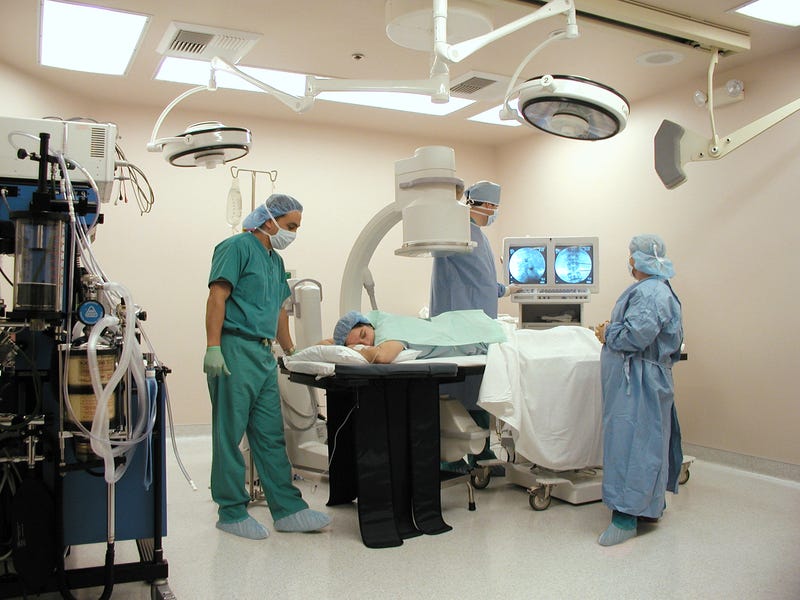
In an era where medical advancements promise miracles, spine surgery, particularly spinal fusion, stands out as a field rife with rapid growth, staggering profits, and growing skepticism. Drawing from recent investigations and expert insights, this post dives into why these procedures have skyrocketed, the evidence questioning their efficacy, and the personal stories of surgeons pushing back against the system.
Understanding Spinal Fusion: The Basics
Spinal fusion surgery involves permanently joining vertebrae using grafts, hardware, or synthetics to stabilize the spine and alleviate pain from conditions like degenerative disc disease or instability. While effective for severe cases, its application to vague chronic back pain has sparked debate.
This procedure, often targeting the lower back or neck, aims to restrict motion between bones. Yet, as we’ll explore, it’s not always the silver bullet it’s marketed as.
“For simple aching backs from arthritis, benefits are negligible or just not provable.”
— Eugene Carragee, former Stanford Spine Center director
The Surging Numbers: A Historical Explosion
Since the early 1990s, spine surgery rates have ballooned dramatically. U.S. fusion procedures per 100,000 people surged by 220% from 1990 to 2001. By the 2000s, annual fusions doubled, and since 2013, instrumented surgeries have nearly doubled again, hitting around 1.5 million yearly by recent estimates.
The U.S. outpaces other nations significantly, with rates double those in countries like Australia and five times higher than in the U.K. A 2024 study highlighted over 200,000 unnecessary procedures among Medicare patients in just three years, with hotspots in states like New Hampshire and Iowa.
Even post-COVID dips couldn’t halt the rebound, underscoring a deeply entrenched trend.
Criticisms Mount: Outcomes Under the Microscope
Despite the hype, evidence paints a mixed picture. Studies show fusions offer no clear long-term edge over non-surgical options for nonspecific back pain. Success rates vary from 70-90%, but revision surgeries are alarmingly common, higher than for hips or knees, due to issues like “failed back surgery syndrome” or adjacent segment disease.
Up to 50% of patients experience persistent pain, fueling accusations of overuse. Short study follow-ups and methodological flaws only add to the controversy.
“You could ask five surgeons how to treat back pain, and they’ll treat it five different ways.”
— Betsy Grunch, spine surgeon
A Surgeon’s Exit: Jonathan Choi’s Viral Wake-Up Call
Few stories capture the disillusionment like that of Jonathan Choi, an MIT-trained neurosurgeon who quit abruptly in 2024. His viral video, under the handle Dr. Goobie, amassed millions of views as he likened spine surgery to patching a leaky house without fixing the source.
“Some people feel better, some people would feel the same, and some people would be worse,” Choi shared, frustrated by inconsistent results and unaddressed root causes like lifestyle factors. He traded his scrubs for mountain living, joining a chorus of insiders like retired surgeon Ray, who sued over alleged unnecessary procedures.
Driving Forces: Profits, Perks, and Conflicts
Why the relentless rise? Money talks. Fusions are highly reimbursed, rewarding complex hardware use. The $14 billion spinal-device market has exploded, with devices tripling since 2000.
Industry ties are deep: Surgeons pocket millions in consulting fees, and scandals like a 2021 DOJ case exposed $8 million in kickbacks. Lavish events and direct patient marketing amplify demand, expanding from rare cases to everyday aches.
Chiropractic Care and Spinal Adjustments
For many people seeking relief, chiropractic care offers a conservative and evidence-informed alternative. Chiropractic focuses on spinal adjustments, a procedure designed to restore proper alignment and function of the spine. Numerous studies have shown that spinal adjustments can improve spinal mobility, reduce stress on the nervous system, and support the body’s ability to regulate and heal itself.
Rather than masking symptoms or fusing spinal segments, chiropractic care emphasizes addressing the root of dysfunction in a natural, non-invasive way. Patients often report improved function, mobility, and overall well-being without the risks of surgery.
The Role of Vertebral Subluxation in Whole-Body Health
Central to chiropractic is the concept of vertebral subluxation, a misalignment or dysfunction in the spine that interferes with nervous system communication. Because the nervous system controls every organ, tissue, and cell, even subtle disturbances can have wide-reaching effects on health.
Chiropractic does not claim to treat pain directly. Instead, it focuses on identifying and correcting vertebral subluxations so the body can function optimally. The result is not only potential relief from musculoskeletal complaints but also improvements in broader aspects of health and wellness, from immune function to stress resilience.
“Chiropractic is not about chasing pain. It is about correcting vertebral subluxations so the body can express its full potential for health.”
Looking Ahead: Alternatives and Reforms
Non-surgical paths like physical therapy, spinal adjustments, injections, or lifestyle changes often yield results equal to or better than surgery, especially for nonspecific or chronic spine pain. In regions where conservative care is prioritized, surgery rates are far lower, yet patient outcomes are similar or better.
For those in pain, seeking second opinions and exploring conservative options first is crucial. As debates rage, from high-profile cases to online forums, one thing is clear: More surgery does not always mean better health.
“The surgeries that I could do were like going into that house, tearing down the drywall, ripping out the moldy insulation, putting in brand-new insulation, and rebuilding the wall. But not fixing the leak.”
— Jonathan Choi, former spine surgeon
