“This Is Our Fight”: How New Mexico’s Drug Battle Warned Us About Montana’s HB 929
Originally published: 2025-04-10
As Montana lawmakers consider the fate of House Bill 929, chiropractors and citizens are being bombarded with claims that drug-prescribing authority for chiropractors is modern, safe, and successful—pointing to New Mexico as the shining example. But according to Dr. Cathy Riekeman, who chaired the New Mexico Board of Chiropractic Examiners during the heart of that battle, nothing could be further from the truth.
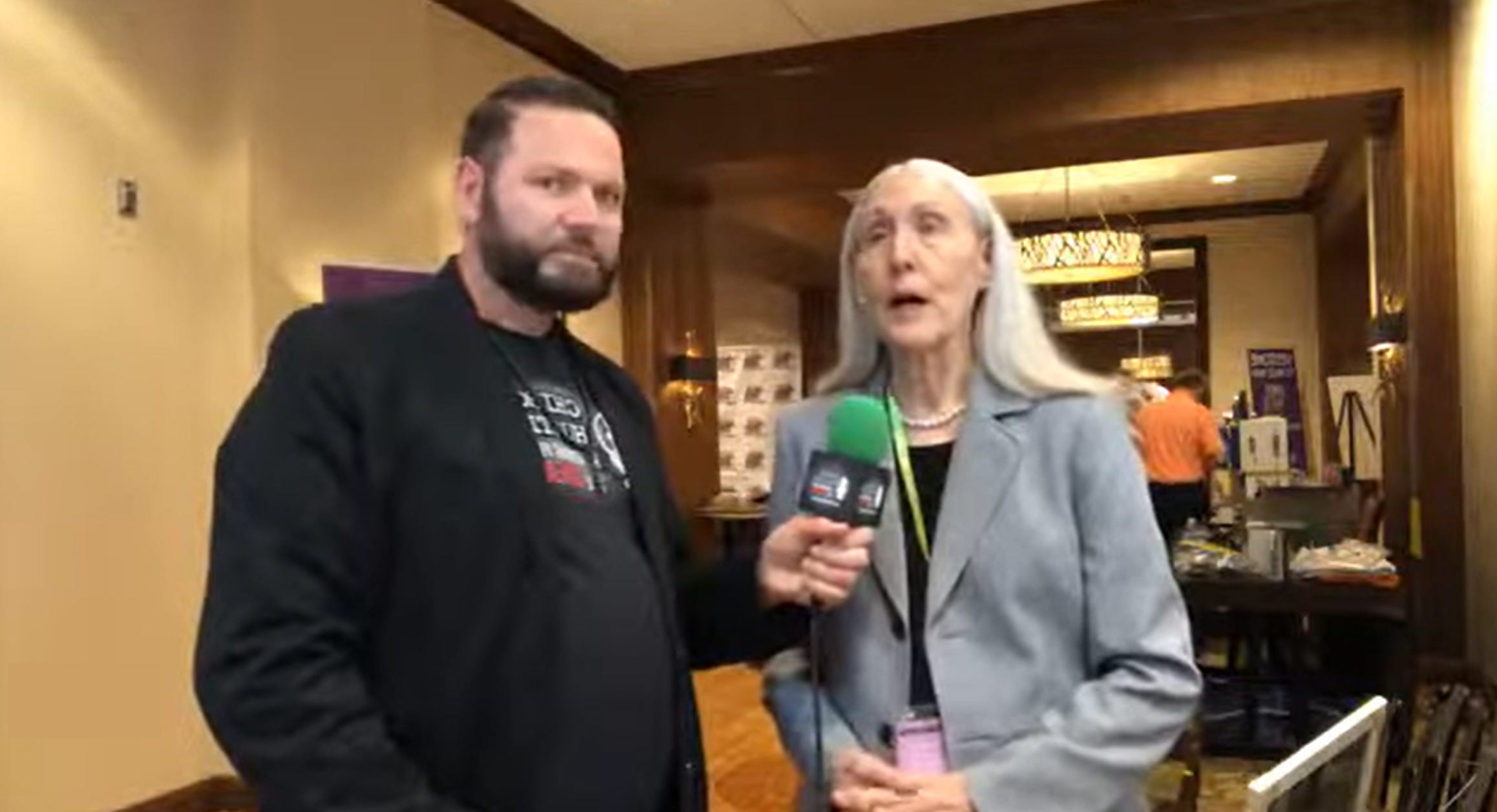
In a 2018 interview with James Chester on Chiro Hustle, Riekeman offered a firsthand account of how New Mexico’s chiropractic profession was politically hijacked, professionally destabilized, and pushed to the brink of collapse by the relentless push to add drug rights to chiropractic scope. Her warning then is even more urgent now as Montana faces the same pressure—and the same players.
Riekeman described how, starting as early as the 1990s, a strategic faction within chiropractic aligned itself with the American Chiropractic Association (ACA) and began quietly taking over key state regulatory boards and educational institutions. Their goal? Redefine the profession to include drug prescription—not through consensus, but through control.
By the time she chaired the board, the movement had evolved into a full-blown legislative machine: drug bills were introduced in New Mexico in 2011, 2013, 2015, 2017, and again in 2019. She described it as a coordinated, persistent campaign that positioned New Mexico as a test case for other states.
Why Didn’t They Just Become Medical Professionals?
One of the most striking observations Riekeman made was that the chiropractors pushing for drug rights could have simply pursued licensure as nurse practitioners or medical doctors. But they didn’t want that path. Why?
“Because medical and nursing boards wouldn’t let them get away with what they wanted to do,” she said.
These chiropractors were seeking the freedom to issue vaccine exemptions, perform questionable injections, and prescribe substances without the training or oversight required in other professions. Chiropractic was the loophole they were exploiting.
The Cost to the Profession
Riekeman didn’t just focus on politics—she emphasized how this movement would irreversibly alter chiropractic education, cost structure, and identity. Expanding scope to include drugs would:
Require massive curriculum overhauls
Extend chiropractic education timelines
Increase tuition costs
Reduce emphasis on chiropractic technique and subluxation analysis
“You cannot send a student to a chiropractic college, teach them to prescribe drugs, and expect them to come out and adjust the spine,” Riekeman warned.
Her words cut to the heart of the matter: drug rights and traditional chiropractic are incompatible.
A House of Cards Waiting to Fall
Riekeman was clear: New Mexico’s experience was a disaster for the profession. And once one state falls, it emboldens others. She saw New Mexico as a "house of cards," ready to collapse under its own contradictions—and she predicted that Montana could be next if principled chiropractors and lawmakers didn’t take a stand.
“This Is Our Fight”
Perhaps the most powerful part of her message was her challenge to chiropractors across the country: Don’t wait for medical doctors or state agencies to protect chiropractic. It’s up to us.
“This is our fight. This is our profession. And we have to define what chiropractic is going to be.”
As Montana’s HB 929 moves through the Senate, Cathy Riekeman’s words are not just history—they are a warning.
Montana does not need to repeat New Mexico’s mistakes. It can learn from them.
The ACA Blueprint: From New Mexico to Montana
What Dr. Riekeman described in New Mexico is precisely what is happening in Montana today:
Dr. Marcus Nynas, former President of the Montana Chiropractic Association, is now the President of the ACA, leading the national campaign to expand drug rights.
Dr. Ryan Oblander, a board member of the MCA and buyer of Nynas' former practice, is directly connected to this expansion effort.
Representative Greg Oblander, HB 929’s sponsor and father of Ryan Oblander, was MCA’s 2024 Chiropractor of the Year and has shown repeated disregard for professional boundaries—including allowing unlicensed mental health practices under his license.
On the Montana Board of Chiropractors, three current regulators—Dr. Caitlin Walter, Dr. Dustin Rising, and Dr. Julie Murack—are dues-paying ACA members, and Walter and Rising also sit on the MCA board. Murack is a former MCA ethics board member.
This is not coincidence—it’s the exact same strategy Riekeman exposed: install ACA-aligned individuals in positions of power, use regulatory seats to push legislation, and claim grassroots legitimacy while advancing a national agenda to remake chiropractic into a drug-prescribing profession.
And just like in New Mexico, the public, the profession, and lawmakers are being misled about the true consequences.
Key Takeaways from Cathy Riekeman’s 2018 Interview on Chiropractic and Drugs in New Mexico
What Happened in New Mexico According to Dr. Cathy Riekeman
In a 2018 interview, Dr. Cathy Riekeman, former Chair of the New Mexico Board of Chiropractic Examiners, laid out a compelling and cautionary tale about the prolonged and aggressive push to add prescription drug rights to the chiropractic scope in New Mexico. Her firsthand account offers vital insight into the political, professional, and educational fallout from this effort—an effort now being echoed in Montana through House Bill 929.
Key Takeaways:
🔹 Persistent Legislative Pressure Since 2011 Beginning in 2011, chiropractors aligned with scope expansion began introducing legislation every other year to secure full prescriptive drug rights. Dr. Riekeman described how these efforts have been relentless—bills introduced in 2011, 2013, 2015, 2017, with another expected in 2019. She called New Mexico a "battleground state," along with Colorado.
🔹 Strategic Takeover by Scope Expansion Advocates According to Riekeman, scope expansion advocates began infiltrating key positions as far back as the 1990s—placing themselves on state boards and within the American Chiropractic Association (ACA)—to quietly advance a drug-prescribing agenda. Meanwhile, principled chiropractors were unaware, busy with patient care.
🔹 Refusal to Seek Proper Licensure Riekeman expressed disbelief that these chiropractors didn’t simply pursue legitimate paths such as becoming nurse practitioners or MDs. Instead, they insisted on pushing drug rights through the chiropractic profession to avoid regulation by medical or nursing boards—particularly because they wanted to perform questionable, non-standard injections and issue vaccine exemptions, practices not permitted under medical norms.
🔹 A Profession at Risk She warned that expanding scope to include drugs would fundamentally change chiropractic. It would force prescriptive education into core curricula, increase education costs, lengthen program durations, and dilute focus on chiropractic technique and philosophy—especially vertebral subluxation analysis and adjustment.
“You cannot send a student to a chiropractic college, teach them to prescribe drugs, and expect them to come out and adjust the spine.”
🔹 The Domino Effect Riekeman predicted that if New Mexico fell, other states would follow—fundamentally altering the nature of chiropractic nationwide. She called it a "house of cards" and urged chiropractors across the country to rally in defense of their profession’s identity.
🔹 A Call to Action To resist, Riekeman helped establish the Alliance of New Mexico Chiropractors, a new organization dedicated to fighting drug expansion in chiropractic. She warned that chiropractors must not rely on the medical profession to stop this—that legislators only listen when chiropractors themselves oppose the expansion from within.
“This is our fight. This is our profession. And we have to define what chiropractic is going to be”