Trump’s Plan to Shut Down the U.S. Department of Education: A Turning Point for Chiropractic Freedom?
Originally published: 2025-02-04
Recent news suggests Trump's administration might use executive orders to weaken the department's functions if outright closure isn't feasible. There's also mention of a team from Elon Musk's "Department of Government Efficiency" (DOGE) which is looking into the federal bureaucracy, potentially including the Department of Education, though this isn't officially confirmed.
President Donald Trump’s reported plan to issue an executive order dismantling the U.S. Department of Education has sent shockwaves through political and educational circles. While much of the focus is on the broader implications for public schooling and student loan programs, the chiropractic profession has a unique stake in this seismic shift. Chiropractors across the country—especially those with concerns about the influence of the Chiropractic Cartel—see this move as an opportunity to break free from a federally sanctioned monopoly that has controlled chiropractic education, accreditation, and licensure for decades.
The Chiropractic Cartel and the Department of Education: A Monopoly in Jeopardy
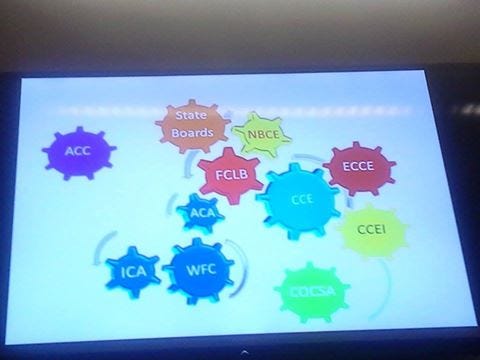
For years, the Council on Chiropractic Education (CCE) and its allies, including the Federation of Chiropractic Licensing Boards (FCLB) and the National Board of Chiropractic Examiners (NBCE), have enjoyed a near-total monopoly over chiropractic education and licensure. This control has been propped up by U.S. Department of Education recognition, giving these organizations unchecked power to dictate what constitutes an “acceptable” chiropractic education and which institutions can issue degrees that lead to licensure.
The results?
Suppression of educational diversity: Schools that do not conform to the CCE’s model have been blocked from accreditation, preventing alternative approaches to chiropractic from flourishing.
Stranglehold on licensing: Recent graduates are forced to conform to CCE standards to be eligible for licensure, with no viable pathways outside of their rigid system.
Escalating costs and debt: The Cartel’s chokehold has contributed to skyrocketing tuition rates, as only their approved schools qualify for federally backed student loans—keeping chiropractic students financially enslaved while the Chiropractic Cartel profits.
If Trump follows through with dismantling the Department of Education, the infrastructure supporting this monopoly would collapse. Without federal recognition of the CCE as the sole arbiter of chiropractic education, state-based alternatives and free-market competition could emerge, breaking the cartel’s stranglehold.
Rank-and-File Chiropractors Are Ready for Change
For years, grassroots chiropractors have voiced frustration with the rigid, exclusionary system imposed by the Chiropractic Cartel. Many see the elimination of the Department of Education as a long-overdue correction that could restore fairness, competition, and philosophical diversity to the profession.
Here’s why so many chiropractors are embracing this bold move:
State Control Over Licensing: If federal accreditation is, states could regain authority over chiropractic education and licensing, opening the door for non-CCE-accredited institutions and alternative models of training.
Freedom from Federal Student Loan Dependence: While student loans are often seen as a necessity, they have also trapped students in high-cost, cartel-controlled schools. Without federal involvement, lower-cost educational options could emerge, reducing financial barriers for future chiropractors.
Breaking the Cartel’s Monopoly: The power of the Cartel stems from government-backed recognition on both the Federal and state level. If the Department of Education is dismantled, the Cartel’s grip weakens, allowing competing accrediting bodies to rise and offer alternative pathways into the profession.
The Political Battle Ahead
Of course, dismantling the Department of Education will not be easy. Congressional approval is required to fully eliminate the department, and while an executive order could weaken its influence, legal and political challenges are inevitable. The Chiropractic Cartel will undoubtedly fight back, lobbying to maintain its federally sanctioned monopoly by shifting its influence to state licensing boards.
The Chiropractic Cartel’s henchmen typically sit on and control the state regulatory boards providing cover and protection to the Cartel’s interests. Those interests include keeping the CCE, NBCE and the FCLB as the sole arbiters of chiropractic education, testing, licensure and regulation.
These individuals then bounce from one position of control to the next going form sitting on state boards to serving on the boards of the NBCE and. FCLB. Shockingly in many cases they sit on all three at the same time. Student loan money as well as state tax dollars and resources are funneled through Cartel interests to subsidize their activity.
The question now is: Will chiropractors seize this opportunity to reshape their profession, or will the Chiropractic Cartel find a way to maintain its grip?
A Historic Opportunity for Chiropractic Freedom
Whether or not Trump’s executive order succeeds in fully abolishing the Department of Education, one thing is clear: the foundation of the Chiropractic Cartel’s monopoly is under threat like never before. The profession now has a chance to demand an open, competitive, and philosophically diverse chiropractic landscape, free from the bureaucratic stranglehold that has dictated its future for decades.
For rank-and-file chiropractors who have long opposed the CCE’s exclusionary control, this could be the moment they’ve been waiting for—a chance to reclaim chiropractic education and licensure from the hands of an unelected elite and return it to the practitioners and patients it serves.
