Understanding Vertebral Subluxation and the Role of Advanced Imaging in Chiropractic
Originally published: 2025-09-27
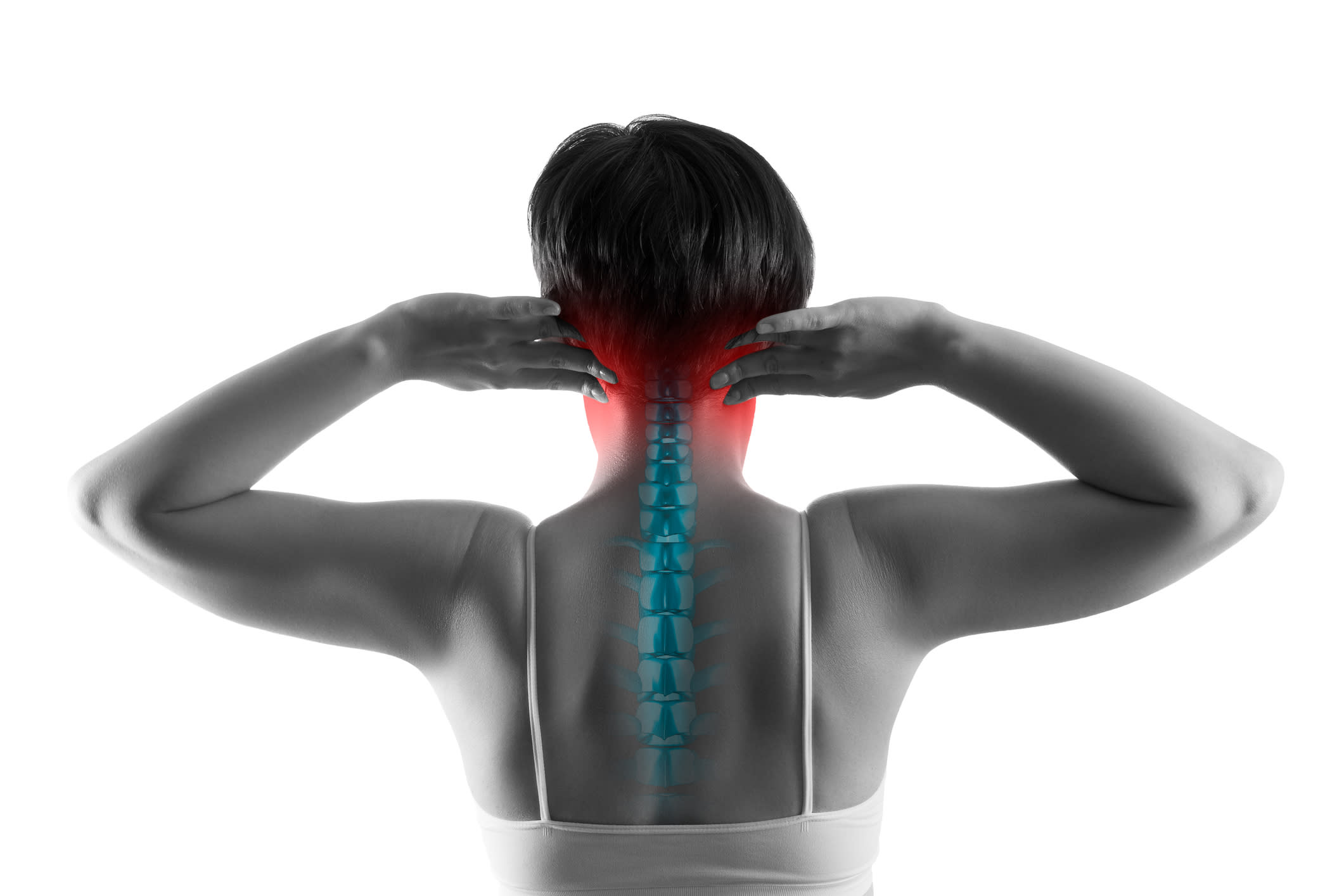
The human body is an intricate, self-regulating system, and at the core of its operation is the nervous system. Every movement, every sensation, every organ function is coordinated by the brain and transmitted through the vast network of nerves that travel through the spinal column. The nervous system controls and coordinates all functions of the body and structural shifts in the spine can occur that obstruct the nerves and interfere with their function. These structural shifts can lead to obstruction of the nerves and it is this obstruction, called vertebral subluxations, that chiropractors correct. By removing the structural shifts, chiropractic improves nerve supply and function.
For over a century, chiropractors have worked to identify and correct vertebral subluxations. While the concept may sound complex, it can be understood in simple terms: when a vertebra moves out of its proper alignment or becomes “locked,” it can compromise the communication pathways of the nervous system. This interference may not only cause pain or discomfort but also disrupt the body’s ability to function optimally. Chiropractic care is dedicated to finding these subluxations, correcting them, and restoring balance to the body’s natural communication system.
What Is a Vertebral Subluxation?
A vertebral subluxation is a misalignment or restriction in the motion of the spinal joints that interferes with nerve communication. Unlike a broken bone or a herniated disc, a subluxation is not always obvious to the untrained eye. However, its effects can be significant. A subluxation may place pressure on nerves, narrow openings where nerves exit the spine and disrupt the proper flow of information between the brain and body.
When left uncorrected, vertebral subluxations may contribute to a wide range of health challenges. These can include musculoskeletal pain, postural problems, or functional disturbances such as dizziness, headaches, or impaired organ performance. Chiropractors view subluxations as more than a structural problem; they represent interference with the body’s innate ability to regulate and heal itself.
The Chiropractic Approach
Chiropractic care is centered on detecting and correcting vertebral subluxations. Chiropractors use a combination of clinical evaluation, diagnostic imaging, and hands-on analysis to determine where in the spine a subluxation is located. The adjustment—a specific, controlled force applied to the spine—is then used to restore normal alignment and motion.
The goal of chiropractic is not to treat specific diseases or symptoms directly. Rather, the purpose is to locate and reduce vertebral subluxations, allowing the body to function as it was designed. Chiropractic is not treating the condition itself but is focused on the location and reduction of vertebral subluxation, thereby enabling the body to heal itself. This principle of supporting the body’s inherent healing power has guided chiropractic practice since its inception and remains central to its philosophy today.
Innovation in Chiropractic Imaging: The Peritrope X-ray
While chiropractors have relied on X-rays for more than a century, recent innovations have expanded how the spine can be assessed. Traditionally, static X-rays have been used to analyze alignment and detect abnormalities. However, these images often cannot capture the dynamic biomechanics of the spine—how the joints move or fail to move during motion.
The Peritrope X-ray, developed within the Knee Chest Specific Chiropractic (KCSC) technique, is a groundbreaking advancement in this area. This imaging method takes X-rays of the cervical spine during maximal rotation, offering a real-time look at how the upper cervical joints—the atlas (C1) and axis (C2)—interact with surrounding structures. By observing these biomechanics, chiropractors can identify which joint is “locked out” of its normal range of motion, a key indicator of vertebral subluxation.
This innovation is significant because it not only enhances diagnostic accuracy but also reduces the possibility of misidentifying normal anatomical variations as subluxations. In other words, the Peritrope X-ray provides a clearer picture of true dysfunction and guides chiropractors toward more precise adjustments.
Why the Upper Cervical Spine Matters
The atlas and axis vertebrae play a particularly important role in spinal health. Located at the base of the skull, these structures protect the brainstem and are responsible for a large portion of head and neck movement. Because of their unique anatomy and relationship with the nervous system, even small subluxations in this region can have widespread effects on the body.
For example, a misalignment at the atlas may impact blood flow, balance, or communication between the brain and the rest of the body. Patients with upper cervical subluxations often report symptoms such as headaches, vertigo, tinnitus, or systemic issues that seem disconnected from the spine. The Peritrope technique provides chiropractors with a more accurate way to determine whether the atlas or axis is the true source of dysfunction.
Clinical Application and Patient Care
In practice, the Peritrope X-ray has become an invaluable tool for chiropractors specializing in upper cervical care. Patients undergoing this analysis may stand facing the X-ray bucky for anterior-superior listings or face the tube for posterior-inferior listings, depending on the suspected subluxation. The resulting images allow clinicians to analyze the biomechanics between the occipital condyles, atlas, axis, and C3, and then assign a precise subluxation listing.
This specificity has practical benefits for patients. By knowing exactly which vertebra is misaligned and how it is restricted, chiropractors can deliver more targeted adjustments. Patients often report not only a reduction in symptoms but also an overall sense of improved well-being. Importantly, post-adjustment protocols such as follow-up thermal scans and rest help verify the success of each adjustment and ensure long-term results.
Chiropractic and Whole-Body Health
While chiropractic care, including KCSC and the Peritrope technique, is not a treatment for conditions such as vertigo, tinnitus, or other systemic complaints, patients often notice improvements in these areas once subluxations are corrected. This occurs because reducing interference in the nervous system enhances the body’s capacity to regulate and heal itself.
This whole-body perspective sets chiropractic apart from symptom-based care. Instead of focusing only on alleviating discomfort, chiropractic aims to restore the foundation of health, clear communication between the brain and body. For many patients, this shift not only improves immediate symptoms but also promotes long-term wellness.
A Commitment to Innovation and Care
The discovery of the Peritrope X-ray method represents more than a technical advancement—it reflects the chiropractic profession’s commitment to ongoing innovation. By combining time-tested principles with modern biomechanics, chiropractors continue to refine their ability to detect and correct vertebral subluxations with precision.
This dedication ensures that chiropractic remains a vital part of health care, offering a non-invasive, drug-free approach that supports the body’s natural healing potential. As research expands and tools like the Peritrope X-ray become more widely adopted, patients can expect even greater benefits from chiropractic care.
Conclusion
Vertebral subluxations are more than structural shifts—they are interferences that disrupt the body’s most vital system of communication. Chiropractic care, with its focus on detecting and correcting these subluxations, restores nerve supply, improves function, and allows the body to heal from within. The nervous system controls and coordinates all functions of the body, and when structural shifts are removed, the body regains its capacity to thrive.
The integration of the Peritrope X-ray into chiropractic practice highlights how innovation and tradition can work hand-in-hand to elevate patient care. By providing a dynamic, biomechanical perspective on spinal function, this technique helps chiropractors unlock even deeper levels of precision in their work. For patients, it means more than relief—it means a pathway to lasting health rooted in the body’s own potential.
CLICK HERE for a copy of the research
