Unlicensed, Uninformed, and Unfit: Jo Oblander’s Response Further Exposes the Dangers Behind Montana’s Drug Bill
Originally published: 2025-04-10
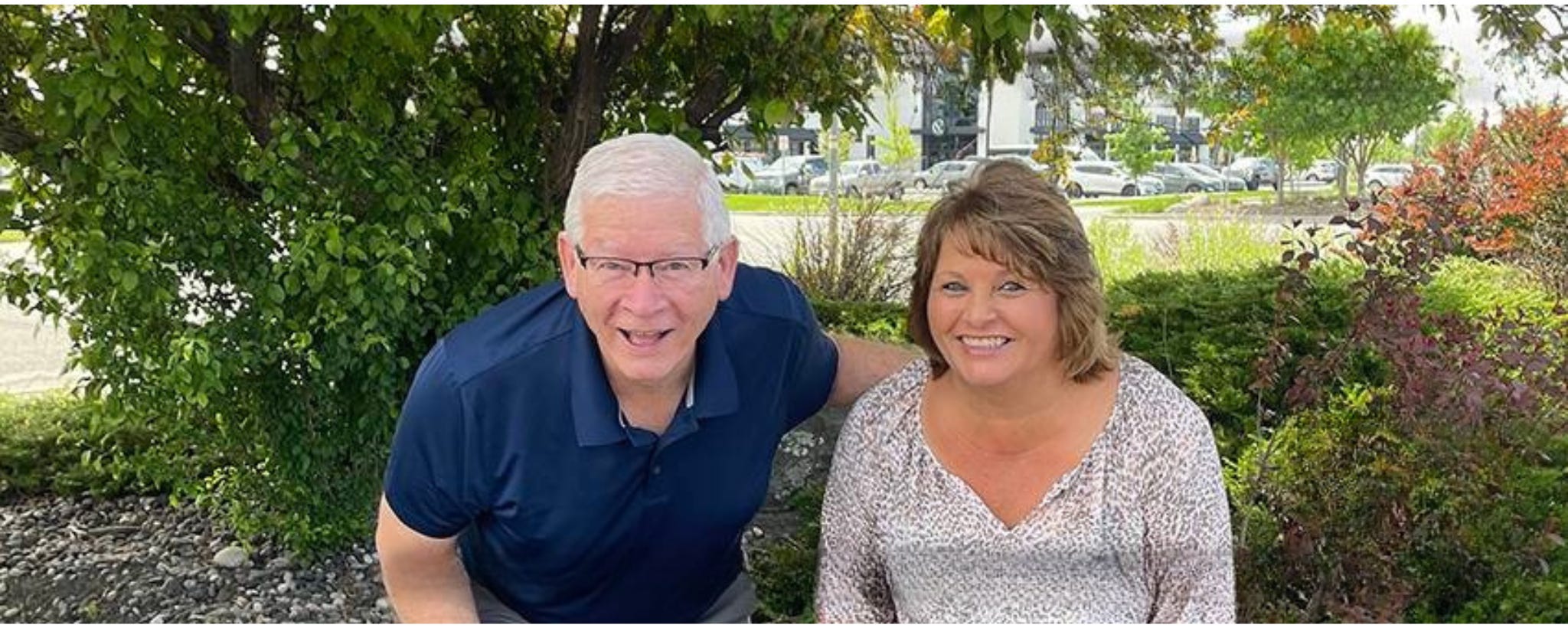
If the public needed more evidence that House Bill 929 is being pushed by individuals who don’t understand the gravity of healthcare regulation, professional licensing, or public accountability, they got it—straight from Jo Oblander, wife of Rep. Greg Oblander, the sponsor of HB 929.
Her recent public response to a published article investigating the Oblander family's role in promoting the Emotion Code—an unlicensed and unregulated energy healing practice—reads like a case study in confusion, deflection, and dangerous ignorance. It also reveals just how little the very people pushing for drug prescribing authority for chiropractors understand the laws and responsibilities that come with practicing any regulated healthcare profession.
CLICK HERE to read her comments
CLICK HERE to read the original article
Claim #1: “Greg doesn’t do Emotion Code. I do.”
Jo’s first line of defense is that Representative Greg Oblander DC isn’t practicing the Emotion Code—she is. This argument completely misses the legal point. In any licensed healthcare office—especially one licensed under chiropractic law—the licensed provider is responsible for what happens under their roof, especially if the practice markets the service, books appointments for it, and allows it to be performed on patients under the umbrella of the business.
Whether Greg personally performs the Emotion Code or allows it to be performed by unlicensed individuals in his office, the liability and responsibility rest on him as the licensed chiropractor and clinic owner. That’s how licensing boards and malpractice insurers view it, and that’s how state law works.
Shockingly, Jo Oblander’s admission that she performs the Emotion Code—a technique that makes diagnostic and therapeutic claims related to mental health—is itself a public admission of unlicensed practice in a regulated field. Mental health care is regulated in Montana. You must be licensed to provide it. She's not.
Claim #2: “We have massage therapists—what’s the difference?”
Jo tries to compare her unlicensed use of the Emotion Code with having licensed massage therapists working independently in the same office. But that comparison fails completely:
Licensed massage therapists are state-regulated professionals with a defined scope of practice.
The Emotion Code is a pseudoscientific technique with no regulatory framework, no educational standards, and no legal authority to diagnose or treat physical or emotional conditions.
Letting someone provide unregulated mental health therapy for money in a licensed healthcare office is legally risky and ethically indefensible.
The very fact that Jo does not understand this distinction should disqualify her and anyone defending her from involvement in expanding scope of practice to include pharmaceuticals.
Claim #3: “Low tier medications” are no big deal.
Jo minimizes the dangers of the drugs in HB 929, referring to them as “low tier medications”—a meaningless phrase with no basis in pharmacology or regulation.
Among the drugs listed in the bill are NSAIDs, muscle relaxants, sleep aids, and anti-anxiety medications—all with well-known risks, including addiction, overdose, GI bleeding, and death. In fact, the Arthritis, Rheumatism, and Aging Medical Information System (ARAMIS) estimates that over 100,000 hospitalizations and 16,000 deaths per year in the U.S. are due to NSAID complications alone.
Let’s be clear: any controlled substance, prescription drug, or pharmacological agent carries risk—and requires appropriate training and oversight. Chiropractors are not trained for this. Period.
Claim #4: “California and South Carolina allow prescribing.”
This is simply false. Chiropractors in California and South Carolina do not have any legal authority to prescribe drugs—not now, not ever. The statement is either intentional disinformation or a product of complete ignorance and we are not sure which is worse.
New Mexico is the only state where some chiropractors (with additional certification and regulation from pharmacy and medical boards) may prescribe certain medications—but even that system has been heavily criticized and poorly implemented.
The Montana Chiropractic Association and Board of Chiropractors have already displayed a shocking lack of knowledge about the drugs they want authority over. Jo’s repetition of this same disinformation only underscores the point: those promoting HB 929 don’t know what they’re talking about.
Claim #5: “Greg Oblander shouldn’t be attacked.”
Jo frames criticism of Rep. Greg Oblander as unfair and slanderous. But this ignores a critical reality: Greg Oblander is an elected official sponsoring a bill that impacts public health and regulatory law. His actions—and the legal and ethical implications of what occurs under his license—are absolutely fair game for public scrutiny.
It’s not about personal attacks. It’s about public trust, public safety, and professional responsibility.
The Bigger Problem: The Oblanders Are Not Just Misguided—They’re Dangerous
When the people pushing to expand access to dangerous, controlled substances don't understand how regulation works, don't understand professional boundaries, and can't tell truth from conspiracy, we have a serious problem.
Jo Oblander’s response—emotional, confused, and riddled with falsehoods—is not just embarrassing. It’s a warning sign.
These are the same people asking Montana’s legislators to trust them with drug prescribing authority.
HB 929 must be stopped—not just because it’s bad policy, but because it’s being pushed by individuals who have proven time and again that they have no business making health care decisions for anyone.
