Unveiling the DNA Deception: Kevin McKernan's Fight Against mRNA Vaccine Contamination
Originally published: 2025-08-27
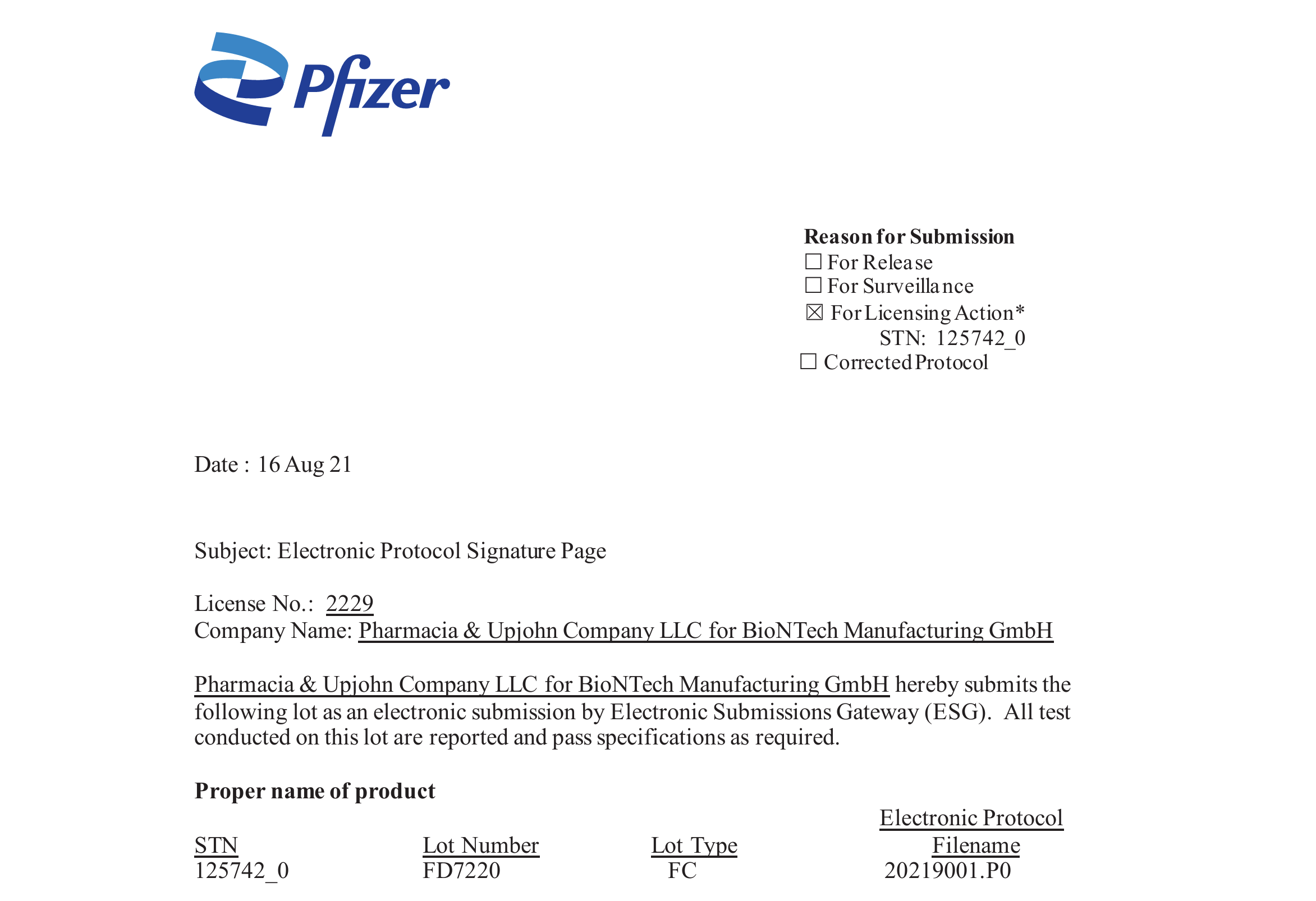
In the shadow of the global COVID-19 vaccination campaign, a genomics pioneer has been sounding the alarm on what he calls a deliberate cover-up of dangerous flaws in Pfizer's mRNA vaccines. Kevin McKernan, a former R&D lead on the Human Genome Project, uncovered evidence of excessive DNA contamination in vaccine batches, findings that have sparked international scrutiny, peer-reviewed studies, and heated debates.
Now, in 2025, with fresh data from regulatory bodies like the FDA confirming his claims, the story is evolving from fringe theory to a potential public health scandal. This post dives into the science, the accusations, and why the powers that be might be scrambling to contain the fallout.
The Spark: How McKernan Stumbled Upon the Issue
It all started in early 2023 when McKernan, while sequencing vaccine vials for unrelated research, accidentally detected plasmid DNA fragments, remnants from the manufacturing process that shouldn't be in the final product. These aren't just trace amounts; his tests revealed levels potentially hundreds of times above regulatory limits, including sequences like the SV40 promoter, which has historical ties to cancer risks in older vaccines.McKernan didn't stop at one vial. He and collaborators, including David Speicher and Phillip Buckhaults, tested multiple batches from Pfizer and Moderna, using methods like qPCR, fluorometry, and full sequencing. Their preprints (later echoed in peer-reviewed papers) showed billions of DNA molecules per dose—far exceeding the 10 ng/dose safety threshold set by bodies like the FDA and WHO.
"Pfizer already had the assay, they didn't like the answer, so they went searching for another tool to get through the regulations." — Kevin McKernan, in a 2023 interview
This quote captures the essence of McKernan's critique: not just contamination, but a rigged testing system designed to underreport it.
The Allegations: Gaming the System for Approval
At the heart of McKernan's claims is how Pfizer measures contamination. Regulatory documents, released via FOI requests, show Pfizer uses qPCR targeting a tiny segment of the plasmid (like the kanamycin resistance gene), which can miss fragmented or larger DNA pieces, underestimating totals by up to 100-fold. Meanwhile, RNA content is gauged via fluorometry, which McKernan says overestimates by detecting non-mRNA nucleic acids, making the DNA-to-RNA ratio appear safer.
Click here for FOIA documents
Click here for FOIA documents
He points to leaked EMA documents revealing Pfizer switched qPCR targets from the full spike sequence (which flagged higher contamination) to a smaller one, allegedly to pass muster. This "bait and switch," as McKernan calls it, allowed batches to ship despite risks of genomic integration, immune disruption, or even cancer.
McKernan has been relentless, challenging critics for ignoring peer-reviewed evidence from studies by König, Kämmerer, and Wang. He's also highlighted how lipid nanoparticles (LNPs) could shuttle this DNA into cells, amplifying dangers.
Escalating Evidence: 2024-2025 Developments
The controversy has only intensified. In December 2024, Australia's TGA released FOI documents acknowledging DNA contamination concerns, referencing McKernan's work. By January 2025, the FDA's own peer-reviewed study, conducted by high school students in their White Oak lab, confirmed residual DNA in Pfizer vaccines at 6-470 times over limits.
Independent labs worldwide have replicated these findings. A Czech study in 2025 found billions of DNA copies in Moderna and Pfizer shots, with a 100-fold discrepancy between spike and vector sequences—echoing McKernan's assay manipulation claims. German regulator PEI tested vaccines in late 2023, while a Japanese paper linked excess cancer mortality to mRNA rollouts, citing DNA as a potential culprit.
McKernan notes integration evidence in papers like Ryan et al. and Kwon et al., dismissing denials as outdated.
"We now have tools that can see the contamination in Australian blood samples. We can see cGAS-STING response in that RNA, directly tying the DNA contam to an interferon response." — Kevin McKernan, May 2025
Studies also tie contamination to serious adverse events (SAEs), with dose-response relationships in Canadian data.
Counter arguments: The Administrative State and Corporations Covering Their Tracks
As damning evidence piles up, the administrative state, agencies like the FDA, EMA, and TGA, and vaccine giants like Pfizer are in full damage-control mode. They're at risk: billions of doses administered, massive profits pocketed, and potential lawsuits looming if contamination proves harmful.
Their rebuttals?
A mix of downplaying, deflection, and outright denial, all to shield their reputations and bottom lines.Fact-checkers and regulators insist qPCR is the gold standard, claiming DNA is fragmented, below thresholds, and poses no integration or cancer risk. A 2023 FactCheck.org piece called claims "speculative," ignoring newer peer-reviewed integrations like those in Zhang et al. (though twisted to exclude vaccines). Florida's Surgeon General faced FDA pushback in 2024 for raising alarms, with the agency reiterating "no evidence" of harm, despite their own 2025 study contradicting this.
Critics like McKernan see this as CYA tactics: ignoring fluorometry data, cherry-picking assays, and retracting inconvenient papers (e.g., a 2024 Cureus article on vaccine harms). With trillions in liability at stake, these entities aren't truth-seeking—they're asset-protecting, stalling independent probes while billions suffer potential long-term effects.
"The debate among scientists no longer pertains to whether or not there is DNA contamination in the mRNA shots, but 'how much of it.'" — Kevin McKernan, December 2024
The Bigger Picture: Risks, Reforms, and What Comes Next
If McKernan is right, we're facing not just contaminated vaccines but a systemic failure in oversight. Theoretical risks, DNA integration leading to cancers, autoimmunity, or "turbo cancers", are gaining traction with studies showing spike persistence up to 245 days post-vax. Environmental impacts, like vaccine shedding or ecosystem contamination, are emerging concerns too.
Calls for action are growing: moratoriums on mRNA tech, full transparency via FOIs, and independent vial testing. McKernan urges using better enzymes to purify batches, but without accountability, will change happen?As 2025 unfolds, this isn't just science, it's a test of trust in institutions.
