Unveiling the SV40 Legacy: Dr. Suzanne Humphries on Vaccines, Viruses, and Hidden Histories
Originally published: 2025-11-13
Dr. Suzanne Humphries, a former nephrologist with over two decades in conventional medicine, has dedicated her career to scrutinizing the history and safety of vaccines. In her recent appearance on The Joe Rogan Experience podcast (episode #2294, aired March 26, 2025), she delved into the story of Simian Virus 40 (SV40), painting a picture of intentional experimentation, contamination, and long-term health implications.
Drawing from historical records, personal research, and expert testimonies, Humphries argues that SV40’s presence in vaccines spans generations, linking early polio shots to today’s mRNA formulations. Her claims highlight a pattern of enhancement and reuse of this virus, which she describes as a potent tool for harm.
The Origins: SV40 Contamination in 1950s Polio Vaccines
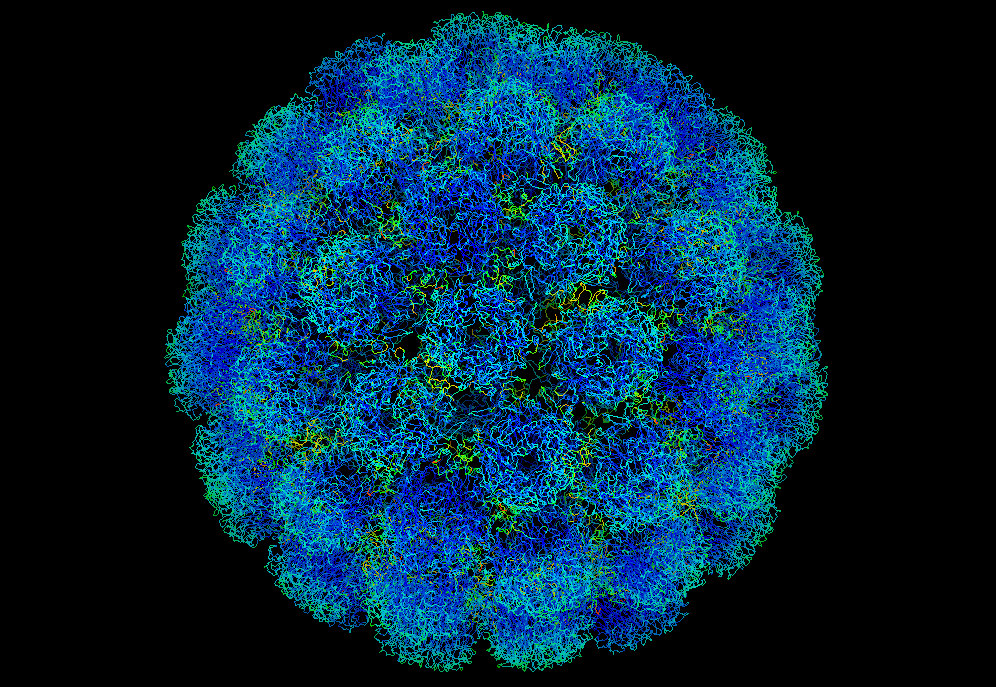
Humphries begins her narrative with the well-documented contamination of early polio vaccines. Produced using kidney cells from African green monkeys, these vaccines inadvertently introduced SV40, a virus benign in monkeys but potentially devastating in humans.
She explains that between 1955 and 1963, millions worldwide were exposed to live SV40 through both injected (Salk) and oral (Sabin) polio vaccines. Humphries points to the work of Dr. Bernice Eddy, a microbiologist at the National Institutes of Health, who in the late 1950s raised alarms about the virus causing tumors in hamsters. Despite Eddy’s findings, Humphries claims the vaccines remained in use for years, with variations in potency and contamination ignored by authorities.
“The polio vaccine is made from wild green monkey kidney cells from India. The harmful SV40 virus was introduced into humans from these monkeys via the vaccines. SV40 is not benign in humans as it is in monkeys.”
Humphries provides evidence from her book Dissolving Illusions: Disease, Vaccines, and the Forgotten History (co-authored with Roman Bystrianyk), where she cites historical documents showing that SV40 was detected in adenovirus vaccines, combined adeno-flu shots, and polio formulations. She references studies indicating SV40’s association with human cancers, including kidney, brain, bone, and mesothelioma, noting that the virus promotes two cancer-causing genes while inhibiting two cancer-suppressor genes.
Gain-of-Function Experiments: Enhancing SV40’s Lethality in the 1960s
A core part of Humphries’ claims involves what she describes as early gain-of-function research on SV40. She asserts that scientists in the 1960s extracted the virus from contaminated polio vaccines and deliberately modified it to increase its carcinogenic potential.
This process, she says, involved irradiating the virus, injecting it into animals to induce tumors, blending those tumors, and further irradiating them with linear particle accelerators. The cycle continued until the virus achieved “maximum killing capacity.”
Humphries draws from the book Dr. Mary’s Monkey by Edward T. Haslam, which details alleged secret experiments in New Orleans involving Dr. Mary Sherman, a cancer researcher murdered in 1964. According to Humphries, these efforts built on SV40’s natural properties, which expert Dr. Michele Carbone has called “the perfect war machine” due to its efficient genome and ability to hijack cell growth.
“They literally took this virus, and they irradiated it in a gain of function experiment, to make it more carcinogenic, and then they would put it in animals, take those tumors, put the tumors in a blender, take them to the lab, irradiate it with a linear particle accelerator to make it more aggressive, and they would keep going in a circle until they got the maximum killing capacity out of this virus.”
As evidence, Humphries references testimonies from Judyth Vary Baker, a former lab assistant who claims involvement in these projects. She also points to declassified documents and historical accounts of viral research during the Cold War era, suggesting that while fast-dividing SV40 strains were eventually removed, slower strains may have persisted in vaccine stocks into the 1990s.
The Castro Connection: SV40 as a Potential Bioweapon
Humphries ties these experiments to geopolitical intrigue, claiming they occurred “under the guise of killing Fidel Castro.” She argues that the CIA, amid over 600 assassination attempts on the Cuban leader from 1959 to 1973, explored bioweapons like a fast-acting cancer virus derived from enhanced SV40.
This narrative aligns with Haslam’s book, which links the New Orleans lab to figures like David Ferrie, investigated in the JFK assassination probe. Humphries provides context from the 1975 Church Committee hearings, which exposed bizarre CIA plots including poisoned cigars and botulinum toxin.
While no direct SV40–Castro link is confirmed in those records, she cites Baker’s eyewitness accounts of tumor blending and radiation techniques aimed at creating a weaponized virus. Humphries posits that this “technology supposedly disappeared,” only to resurface decades later.
“This was gain of function stuff going on in the 1960s, under the guise of killing Fidel Castro, and the technology supposedly disappeared, and then boom, we end up with SV40 in the plasmid in our vaccines in 2021.”
SV40’s Modern Resurgence: From Polio to Pfizer mRNA Vaccines
Bringing the story full circle, Humphries claims SV40 sequences appeared in the plasmids used to manufacture Pfizer’s COVID-19 mRNA vaccines in 2021. She argues this isn’t accidental but a continuation of historical practices.
Independent testing by researcher Kevin McKernan, whom Humphries has collaborated with, detected residual plasmid DNA including the SV40 promoter, a sequence used to drive gene expression in production. But Humphries goes further, alleging the presence of full SV40 elements, a staphylococcal endotoxin gene, and even “two snake genes,” describing the vaccines as “definitely gain of function.”
She references McKernan’s lab findings and her own analysis, warning that these contaminants could integrate into human DNA, promoting cancers and other diseases. Humphries also criticizes a long-term study on SV40-exposed individuals that was halted after 19 years, just as long-latency effects might emerge, citing it as evidence of suppressed research.
“There’s SV40 in it. There was a staphylococcal endotoxin gene, there were two snake genes, it’s definitely gain of function, they go nope, we gotta put it on the baby vaccine schedule.”
Evidence Backing Dr. Humphries’ Claims
Humphries supports her assertions with a wealth of references. Beyond Dissolving Illusions, she draws from Carbone’s studies on SV40’s oncogenic properties, Eddy’s original warnings, and Haslam’s investigative work. She mentions epidemiological data showing rising cancer rates since widespread vaccination began, linking it to SV40’s introduction.
Baker’s books and interviews provide firsthand accounts, while McKernan’s 2023 sequencing results offer modern lab evidence. Humphries emphasizes that SV40 is now contagious among humans, citing studies showing viral shedding in urine and its detection in human tumors.
Counterclaims: Voices Seeking to Downplay the Significance
Those who disagree with Humphries, often aligned with vaccine manufacturers or regulatory bodies, offer alternative interpretations that may aim to minimize the virus’s impact.
Fact-checkers from organizations like Science Feedback claim there’s insufficient evidence linking SV40 to human cancers, pointing to epidemiological studies showing no increased risk in vaccinated populations. Regulators like the FDA and Health Canada acknowledge the SV40 promoter in mRNA vaccines but insist levels are below safety thresholds, with no proof of DNA integration or harm.
Critics also dismiss the Castro bioweapon angle as speculative, relying on the absence of direct evidence in declassified files. These perspectives, Humphries suggests, could be motivated by protecting industry interests rather than fully exploring the virus’s long-term effects.
Conclusion
Dr. Humphries’ claims invite a reevaluation of vaccine history, urging transparency and caution. Her evidence, rooted in documents, testimonies, and science, challenges us to question what lies beneath the surface of public health narratives.
For those seeking deeper insight, her podcast appearance and books provide a compelling starting point.
