Unveiling the Tubarial Glands: A Hidden Gem in Human Anatomy
Originally published: 2025-10-08
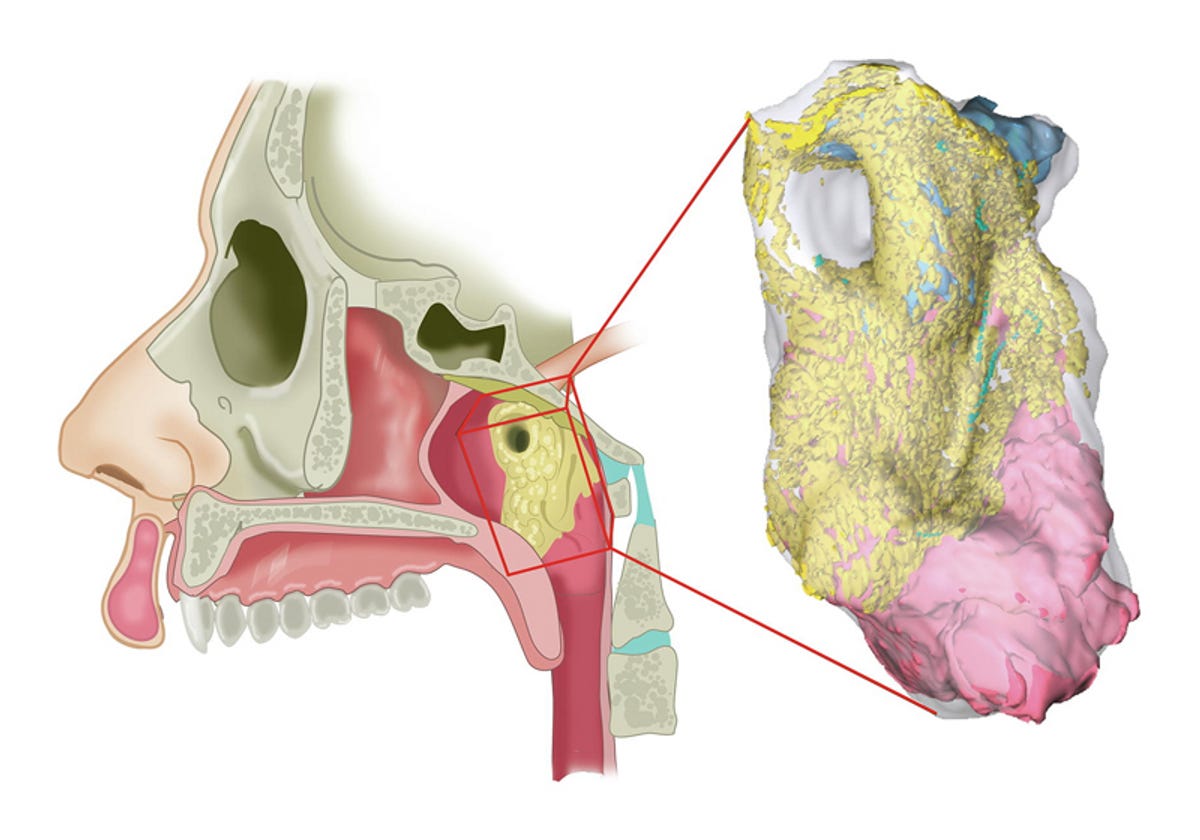
The human body, despite centuries of study, still holds surprises. In 2020, researchers stumbled upon what they described as a previously overlooked pair of salivary glands tucked away in the throat. Dubbed the “tubarial glands,” this discovery has ignited both excitement and debate in the medical community. While some hail it as a new organ that could transform cancer treatments, others argue it’s more of a reclassification than a revelation. Let’s dive into the story behind these elusive glands and what they mean for science and medicine.
The Accidental Discovery
It all started during routine scans for prostate cancer patients at the Netherlands Cancer Institute. Using advanced imaging technology called PSMA PET/CT, which highlights tissues expressing prostate-specific membrane antigen, scientists noticed an unexpected bilateral structure in the nasopharynx, the area where the nose meets the throat. This wasn’t a tumor or anomaly; it was a consistent feature across 100 patients, predominantly male.
The lead researchers, including Matthijs H. Valstar, confirmed their findings through histological analysis of cadavers. What they found was a pair of macroscopic glands, about 4 cm long, overlaying the torus tubarius, a cartilaginous structure near the Eustachian tube. This accidental spotting proved that even with modern tools, the body can hide secrets in plain sight.
“The presence of previously unnoticed bilateral macroscopic salivary gland locations in the human nasopharynx was suspected after visualization by positron emission tomography/computed tomography with prostate-specific membrane antigen ligands (PSMA PET/CT).”
What Are the Tubarial Glands?
Located deep in the upper throat behind the nose, the tubarial glands are bilateral and consist primarily of mucous acini, with fewer serous components. They lack the amylase expression seen in other glands like the parotid, suggesting their role is more about lubrication than digestion. Histological exams reveal mucous glands sandwiched between pseudostratified epithelium and cartilage, with strong positivity for myoepithelial cells, a hallmark of salivary tissue.
Functionally, these glands likely moisten and protect the nasopharynx and oropharynx, aiding in swallowing and preventing dryness. A 2024 study quantified their contribution to overall salivary function at around 4%, lower than major glands but still significant. Compared to the traditional three pairs of major salivary glands (parotid, submandibular, and sublingual), the tubarial glands add a fourth contender to the mix.
The Controversy: New Organ or Just Minor Glands?
Not everyone is convinced this is a groundbreaking find. Critics, including anatomists like Joe Iwanaga, argue that the tubarial glands might simply be a collection of minor salivary glands already known in the nasopharynx. They point to historical descriptions and question the “new organ” label, citing a lack of unique features like a capsule or double autonomic innervation.
A 2021 article in The Scientist highlighted scrutiny from experts, with some calling for corrections rather than retraction. However, follow-up studies, including a 2022 histological analysis and a 2025 anatomical review, have provided evidence supporting their salivary gland-like nature, with immunohistochemical profiling showing similarities to palatal glands.
“No convincing evidence for the presence of tubarial salivary glands.”
– A skeptical letter to the editor, reflecting ongoing debate
Medical Implications for Cancer Treatment
The real game-changer? Implications for head and neck cancer patients undergoing radiotherapy. These glands sit in a high-radiation zone, and damage could exacerbate side effects like chronic dry mouth (xerostomia) and difficulty swallowing (dysphagia). Studies show that higher radiation doses to this area correlate with worse outcomes, suggesting that sparing the tubarial glands could improve quality of life.
In Sjogren’s syndrome and other salivary disorders, understanding these glands might offer new diagnostic or therapeutic angles. As one review notes, their discovery “may explain radiation toxicity effects” and calls for prospective studies on sparing strategies.
Recent Updates and Research
As of 2025, the tubarial glands continue to make headlines, with articles recirculating the story and new research emerging. A narrative review from August 2025 emphasizes that while discovered, their exact definition, major gland, minor aggregate, or organ, remains unresolved. Quantitative analyses confirm their low but notable functional role, and immunohistochemical studies align them closest to palatal salivary glands.
“The discovery of the tubarial gland reminds us that even in 2025, the human body still holds secrets.”
The Ever-Evolving Understanding of Human Anatomy
The tubarial glands story reminds us that science is iterative, discoveries spark debates, leading to deeper insights. Whether a true “new organ” or a refined view of existing anatomy, their identification could lead to better patient outcomes in oncology and beyond. As research progresses, who knows what other hidden wonders await in the human body? Stay tuned, anatomy textbooks might need another update.
