What is the CCE Hiding?
Originally published: 2025-06-21
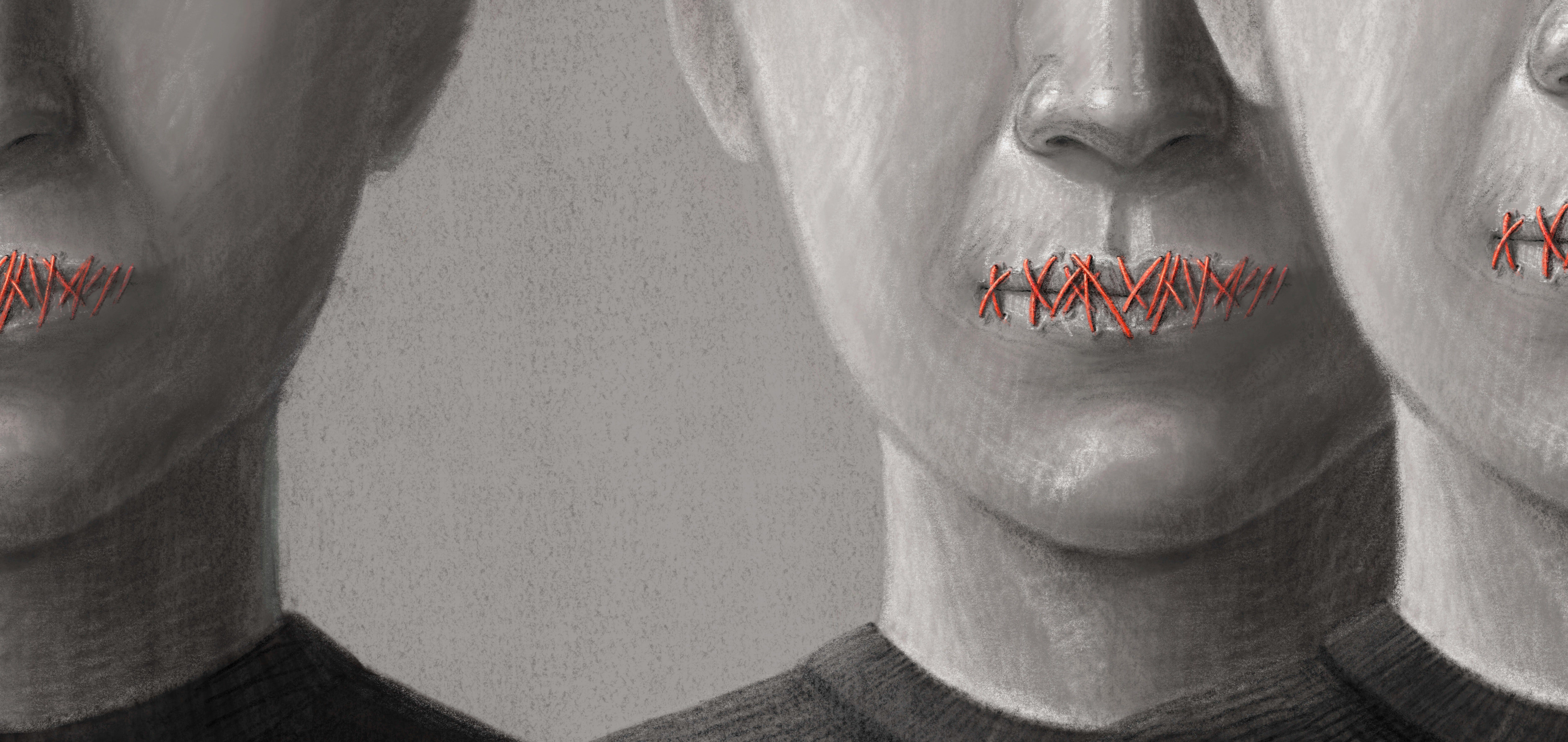
Silencing the Public—Again
The Council on Chiropractic Education (CCE) is once again drawing criticism from within the chiropractic profession as it prepares for its July 2025 Semi-Annual Business Meeting in Minneapolis. The latest announcement includes a strict ban on video recording, livestreaming and documents, a move many see as a direct contradiction of the CCE’s repeated claims of openness and transparency.
This isn’t the first time the CCE has been accused of shutting down public oversight. At its January 2025 meeting, the Council prohibited a representative from The Chiropractic Chronicle from recording the open public session—even though there were no written policies prohibiting such recording. Now, the CCE is codifying that censorship into its meeting notice.
“Per a Council standing rule, no part of the Council meeting may be recorded or live-streamed.” — CCE Meeting Announcement
Peer-Reviewed and Publicly Accountable Accreditation
The U.S. Department of Education has clearly communicated its expectation that recognized accrediting agencies operate under a peer-reviewed and publicly accountable model. This includes the availability of information about standards, decisions, and performance outcomes; meaningful stakeholder input; and open processes that encourage trust in institutional quality assurance. As part of this, agencies are expected to allow for public comment, ensure access to proceedings, and welcome scrutiny that aligns with transparency and due process.
The CCE’s actions in prohibiting video recording, livestreaming, virtual attendance and submission of documents during open public meetings directly contradict this model. These restrictions hinder public observation, journalistic oversight, and broader stakeholder engagement. Such actions not only suppress public dialogue but also obstruct the accountability mechanisms the Department of Education expects from accreditors. The CCE should align its meeting policies with federal best practices that support openness and participation.
A Pattern of Secrecy
The prohibition of video and livestreaming is not just an isolated policy. It reflects a broader pattern of exclusion and stakeholder suppression that many within the profession have come to expect from the CCE. Written materials may not be distributed by attendees, and only oral comments are accepted—meaning no meaningful record or broad stakeholder input will exist.
The Coalition for Freedom in Chiropractic has previously raised concerns about CCE’s lack of transparency, including its refusal to allow virtual participation, exclusion of written public comments, and its entanglements with monopolistic entities like the National Board of Chiropractic Examiners (NBCE).
Transparency Theater
While the CCE claims its meetings are “open to the public,” the reality is more akin to controlled performance than participatory governance. Limiting communication to in-person, unrecorded oral comments ensures no verifiable public record is created and allows CCE to operate without accountability to the broader profession.
“Transparency without documentation is not transparency—it’s theater.”
This begs the question: What does the CCE not want the public to see?
The Bigger Picture
The restriction on video and livestreaming also comes at a time when the CCE is under increased scrutiny from the Council for Higher Education Accreditation (CHEA) and student borrowers filing defense-to-repayment claims. Students are alleging they were misled about income potential, career prospects, and the necessity of costly licensing exams, which are part of the system CCE policies uphold.
The Coalition has raised these concerns directly to CHEA and the CCE and continues to call on the CCE to:
Allow written and virtual public comment.
Permit recording and livestreaming of open meetings.
Sever its monopolistic dependence on NBCE testing.
Truly engage with all stakeholders—not just those already within the inner circle of power.
Conclusion: If You Have Nothing to Hide…
If the CCE is truly committed to transparency, it should welcome the documentation and distribution of its public proceedings. Instead, it’s choosing silence, restriction, and opaque governance—continuing a legacy of control over collaboration.
The chiropractic profession deserves better. It’s time to open the doors, unmute the truth, and let accountability speak

.