Why Doesn’t the CCE Want You to See Their Meetings?
Originally published: 2025-01-16
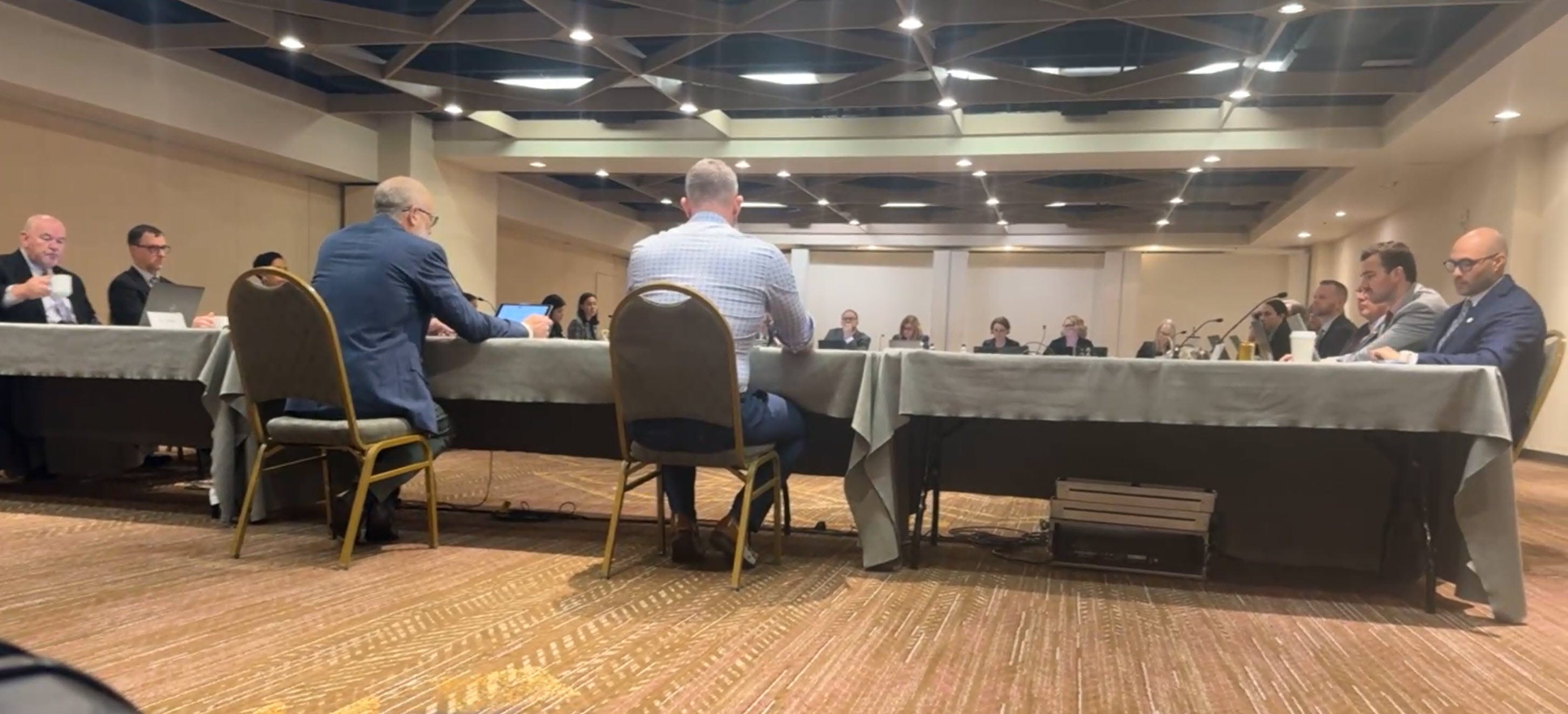
On January 10, 2025, the Council on Chiropractic Education (CCE) held its annual business meeting in Tempe, Arizona, an event billed as open to public observation and input. However, a series of controversial actions by the Council's leadership has sparked outrage and raised significant questions about its commitment to transparency, stakeholder engagement, and ethical governance.
Silencing the Press: A Violation of Transparency?
Despite no explicit prohibition on recording the public comment session in the CCE’s policies, Dr. Kristina L. Petrocco-Napuli, Chair of the Council, abruptly halted a representative from the Chiropractic Chronicle from recording the meeting. This decision stands in stark contrast to statements made by CCE President Craig Little, who had assured the press prior to the meeting that members of the public and press were equally welcome to observe the proceedings.
Dr. Petrocco-Napuli’s actions not only contradict CCE's stated openness but also reflect poorly on its claim to transparency. Ironically, later in the meeting, Dr. Little publicly emphasized the Council’s commitment to transparency—a statement that rings hollow in light of the censorship that occurred just moments before.
A Double Standard in Stakeholder Engagement
The Chiropractic Freedom Coalition, represented by Drs. Mike Guinosso and Scott Kelley, attended the meeting to express concerns about the CCE’s practices. Their comments highlighted the CCE’s close ties to the National Board of Chiropractic Examiners (NBCE) and the Federation of Chiropractic Licensing Boards (FCLB), organizations that, like the CCE, hold monopolistic control over various aspects of the chiropractic profession. These relationships have long been criticized as fostering exclusion rather than collaboration with diverse stakeholders.
CLICK HERE the audio of Guinosso and Kelley’s Testimony
CLICK HERE for a copy of the letter sent to the CCE
Fight Club Rules
Further complicating the issue, Dr. Little has confirmed the CCE’s participation in the secretive Chiropractic Summit group—a coalition that excludes many organizations while consolidating influence among a select few. Such alliances undermine claims of inclusive stakeholder engagement and raise ethical concerns about the Council’s true priorities. According to Dr. Little:
”CCE is a non dues participant in the Chiropractic Summit. CCE does not participate in voting or policy decisions regarding legislative initiatives. CCE’s participation in the Summit is one of many ways CCE provides updates to the profession on accreditation and higher education. Specifically, the CCE works to advance collaborative relationships with organizations like the Summit to promote the profession and the programs CCE accredits.”
The irony that the CCE participates in a secretive group with limited membership and shares information with that group at the same time it shuts down transparency in an open public meeting is striking.
According to the website of the National Board of Chiropractic Examiners (NBCE) the CEO Norman Ouzts is the Chairman of the Chiropractic Summit Group. Whether or not they are a dues paying member using student loan money to pay for that membership is unknown. The NBCE has not returned requests for information sent to them on this issue.
The Summit Group long ago adopted the St. Louis Principles which are referred to pejoratively as “Fight Club Rules” after the movie starring Brad Pitt since in order to be a member of the Chiropractic Summit Group members must pledge secrecy. In the movie Fight Club - the first two rules are:
You do not talk about Fight Club.
You do NOT talk about Fight Club.
Interestingly, while individual state organizations are excluded from having a seat at the Summit table, the Michigan Association of Chiropractors (MAC) is represented due to the dual role of Lisa Love Smith as the Executive Director of both MAC and the Summit Group. This selective inclusion highlights the group's control over who gets a voice in shaping the future of chiropractic care.
The Summit Group and its exclusionary practices were highlighted in the Vanterpool v. FCLB lawsuit. In the Vanterpool case, the Chiropractic Summit Group's role came under heavy scrutiny as jurors explored whether Dr. Vanterpool’s attempts to secure a “seat at the table” at the Summit deviated from established norms. The Summit, a secretive and invitation-only assembly, excludes broad professional representation and has significant influence over trade decisions within chiropractic. This exclusivity raised critical questions about its governance and whether Vanterpool’s exclusion was consistent with past practices or indicative of deeper systemic issues. The case highlighted the inherent conflicts of interest and lack of transparency within the web of private corporations that control the profession.
CLICK HERE for more about the Vanterpool Case
CLICK HERE for more information about the Chiropractic Summit Group
The Bigger Picture: A Pattern of Exclusion and Control
The censorship and the exclusion of all stakeholder voices are part of a broader pattern of behavior that has drawn scrutiny from the U.S. Department of Education in the past. The CCE narrowly retained its federal recognition after being criticized for failing to engage diverse stakeholders and uphold transparency—issues that continue to plague the organization.
CLICK HERE for more on that history
Borrower’s Defense Claims Add Further Evidence
Adding to this growing scrutiny is a surge in Borrower’s Defense claims submitted by former chiropractic students who allege they were manipulated by aggressive and misleading recruitment practices.
Borrower's Defense to Repayment is a federal program allowing student loan borrowers to request loan forgiveness if their school misled them or engaged in fraudulent practices. Claims are typically based on false advertising, misrepresentation of job placement rates, accreditation, or program quality. Borrowers must provide evidence of the school's misconduct and how it impacted their decision to enroll. If approved, the borrower may receive loan discharge, refunds for amounts paid, and removal of negative credit reports related to the loan. This program aims to protect students from predatory educational institutions and ensure fairness in the student loan system.
These claims have gained traction on social media platforms such as Facebook and Reddit, where students and graduates are sharing their outrage about their experiences with chiropractic schools and the profession as a whole in addition to sharing evidence. Common allegations include:
Aggressive Recruitment: Misleading tactics used to attract students, often overselling the benefits of a chiropractic career.
Misrepresentation: False claims about income potential and career prospects that fail to align with reality.
Omission: Schools failing to disclose critical information about financial and career outcomes, leaving students unprepared for the realities of their profession.
Breach of Contract: Potential legal cases stemming from unfulfilled promises made during recruitment.
The lack of transparency in educational, recruiting and accreditation processes forms the very foundation of these complaints. Many graduates argue that had there been greater accountability and honest disclosure by schools and accrediting bodies they might have made more informed decisions about their education and career paths.
A Call for Reform
The events at the January meeting serve as a wake-up call for the chiropractic profession. Stakeholders must demand accountability and insist that accrediting bodies like the CCE and other private corporations that profit from student loan money adhere to principles of transparency, inclusivity, and ethical governance. The rising Borrower’s Defense claims highlight the urgent need for reform to protect current and future students from similar experiences.
As the the credibility of these private corporations comes under increasing scrutiny, questions about their monopolistic practices and exclusionary policies will only intensify. The Chiropractic Chronicle will continue to investigate and report on these critical issues, ensuring that the voices of all stakeholders in the chiropractic profession are heard and respected.
